
Fertilization
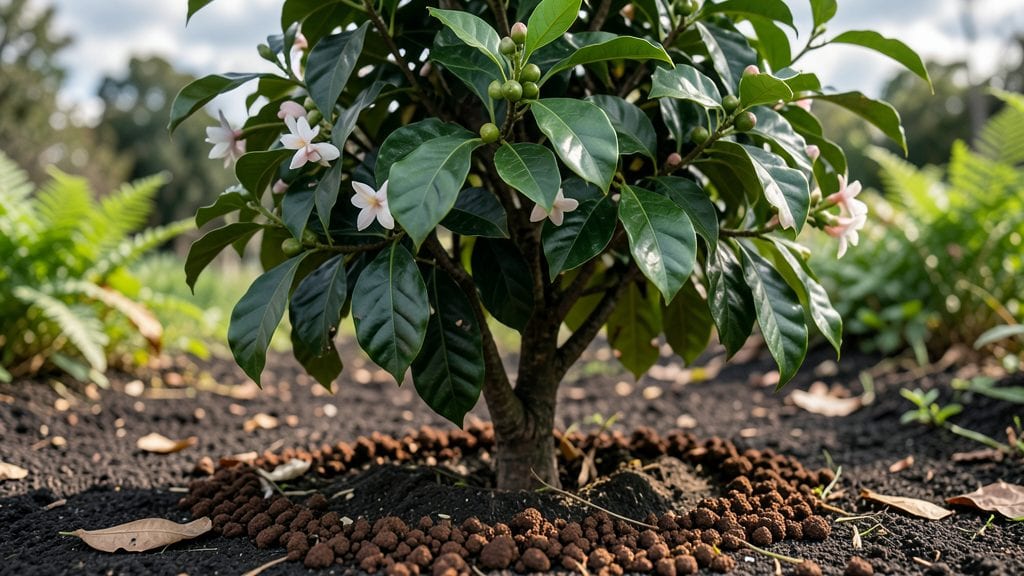
Using coffee grinds in your garden boosts soil fertility by providing nitrogen, deterring pests like slugs and ants, and improving moisture retention while creating ideal acidic conditions for plants like blueberries and azaleas. Use them carefully as mulch or compost to prevent over-acidifying the soil.
Coffee grinds are a gardener's secret weapon because they're packed with organic matter that breaks down slowly, feeding beneficial microbes in the soil. 🌱 The nitrogen content acts as a natural fertilizer, while the slightly acidic nature helps acid-loving plants thrive without harsh chemicals.
I've seen firsthand how a thin layer of used grounds around tomato plants repels pests while improving flavor—just avoid piling them too thickly near delicate roots.
For best results, mix coffee grinds into compost piles or sprinkle lightly around plants as mulch. You can even brew a concentrated "coffee tea" by steeping grounds in water for a few days, then using the liquid as a nutrient-rich soil drench.
Just remember: balance is key—too much can make your soil too acidic, so pair with lime if needed.
💡 In This Article
- How Coffee Grounds Boost Soil Health and Plant Growth
- Best Ways to Apply Coffee Grounds in Your Yard
How coffee grounds boost soil health and plant growth
Here's what's actually happening when you add coffee grounds to your garden: they're rich in organic nitrogen—about 2% by weight—which acts as a slow-release fertilizer. This nitrogen feeds soil microbes, which in turn break down the coffee's cellulose and other compounds into plant-accessible nutrients.
The process creates a symbiotic relationship where microbes thrive while releasing essential nutrients like phosphorus and potassium over time. 🔥
Coffee grounds also contain melanoidins, complex organic molecules formed during roasting that improve soil structure by increasing water retention. These compounds can hold up to 4-5 times their weight in water, making them excellent for sandy soils that drain too quickly.
Unlike synthetic fertilizers, coffee grounds don't provide an immediate nutrient spike but instead create a gradual, sustainable feeding system that mimics natural forest floor decomposition.
The pH adjustment comes from the coffee's natural acidity, typically around pH 6.2-6.8 when fresh. As they decompose, they release organic acids that lower soil pH by 0.5-1.5 units, creating ideal conditions for acid-loving plants like blueberries (which need pH 4.5-5.5) and hydrangeas.
This effect is more pronounced in alkaline soils where the pH can drop significantly with regular applications, unlike banana peels which primarily add potassium without major pH impact.
What most people don't realize is how coffee grounds repel pests through their strong aroma and caffeine content. The caffeine acts as a natural insect deterrent, particularly effective against slugs and ants, while the coarse texture disrupts the movement of soil-dwelling pests.
This makes them a superior alternative to eggshells (which primarily add calcium) for pest control in vegetable gardens. 💫
When comparing to other organic fertilizers, coffee grounds offer a unique combination of nitrogen, acidification, and pest control that's hard to match.
Banana peels add potassium but lack nitrogen, while eggshells provide calcium without affecting pH. The key is their balanced nutrient profile combined with physical properties that improve soil structure - something most single-ingredient amendments can't achieve alone.
For best results, use 1-2 cups of grounds per plant** every few months in spring and fall. The coarse texture also helps improve drainage in heavy clay soils by creating air pockets as it decomposes.
Just remember: fresh grounds can initially raise soil pH slightly due to their alkaline minerals, but as they break down, the acidification effect dominates over time.