
Companion Plants
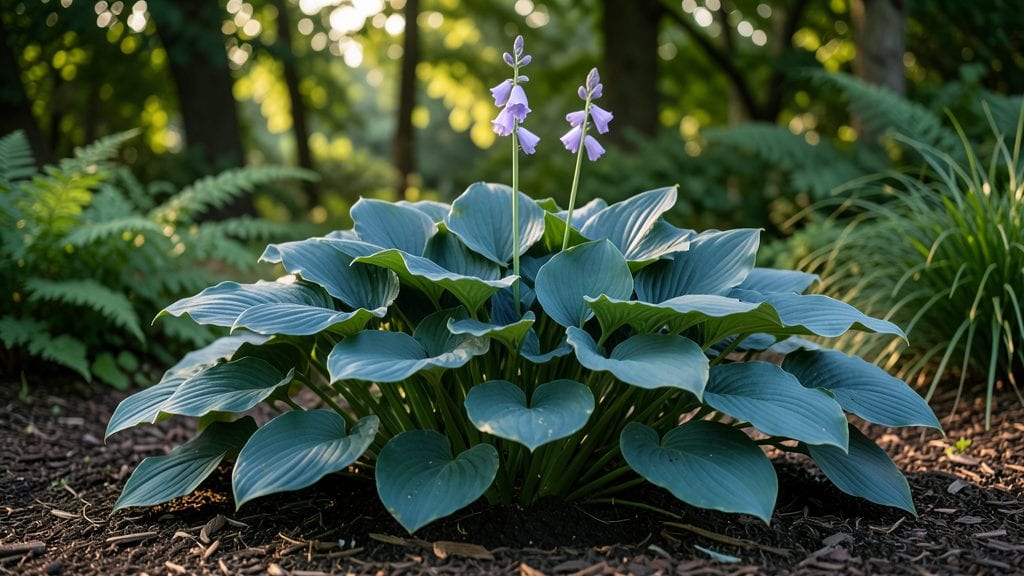
Shaded garden plants transform dull corners into vibrant, thriving spaces where sunlight rarely reaches. 🌿 I’ve turned my own shady backyard into a lush retreat by choosing plants that love dappled light—hostas with their velvety leaves, ferns unfurling like delicate lace, and impatiens bursting with color.
The key isn’t fighting the shade; it’s working with it to create a garden that feels alive year-round.
You don’t need fancy equipment or rare plants—just a few smart choices. Hostas thrive in partial shade and multiply effortlessly, while astilbes add feathery plumes of color. For ground cover, sweet woodruff or ajuga spreads quickly, smothering weeds and keeping the soil cool.
These plants aren’t just survivors; they’re stars in their own right, offering texture, height, and seasonal interest without demanding full sun.
Picture a layered border where hostas hug the base, ferns rise mid-height, and tall astilbes or heucheras reach upward. Add a few shade-loving annuals like impatiens or begonias for pops of color, and you’ve got a garden that feels lush and intentional.
The best part? Less watering, fewer pests, and a space that stays green even when other gardens wilt.
This approach works for woodland gardens, understory plantings, or even urban patios with filtered light. The secret is matching plants to their natural light preferences—once you do, your shaded garden will become the envy of the neighborhood. Let’s get those plants in the ground!
📚 In This Guide
- What you need
- Instructions
- Tips and common mistakes
- Wrapping up and next steps
What you need
- ● Shade-tolerant plants: 5–10 varieties (e.g., ferns, hostas, impatiens, or astilbes). Check plant tags for partial or full shade labels.
- ● High-quality potting soil or garden soil: 2–4 bags (or enough to fill raised beds/containers). Opt for moisture-retentive mixes with compost.
- ● Organic mulch: 1–2 bags (e.g., shredded bark or pine needles) to retain moisture and suppress weeds.
- ● Watering can or hose with a gentle spray nozzle: For delicate seedlings and thirsty shade plants.
- ● Fertilizer: Slow-release granular (e.g., 10-10-10) or liquid seaweed fertilizer for a gentle nutrient boost.
- ● Garden trowel or hand shovel: For transplanting seedlings or dividing mature plants.
- ● Pruners (sterilized): To trim dead foliage or shape plants as they grow.
- ● Garden gloves: Protect your hands from thorns (e.g., Hellebores) or rough textures.
- ● Measuring tape or ruler: To space plants 12–24 inches apart (check individual plant needs).
- ○ Drip irrigation or soaker hose (optional): For consistent moisture in larger shaded areas.
- ○ Decorative stones or edging (optional): To define garden beds and add visual appeal.
- ● Know your shade level: Partial shade (3–6 hours of sunlight) vs. full shade (less than 3 hours).
- ○ Test your soil’s pH (optional but helpful). Most shade plants prefer slightly acidic to neutral (6.0–7.0).
- ● Plan for airflow: Avoid overcrowding—shade plants still need circulation to prevent disease.
How to design a thriving shaded garden
Here’s my go-to approach for creating a vibrant garden where sunlight barely touches the leaves.
🌿 Step 1: Choose the Right Plants for Your Shade Level
Not all shade is equal—some spots get dappled light, while others remain deep and dark. For partial shade (3-6 hours of indirect light), go for hostas, ferns, and astilbes. These plants thrive with gentle morning sun and afternoon shade. In full shade (less than 3 hours of light), focus on hellebores, lungwort, and Japanese painted ferns—they’ll flourish where others fade.
I always check the mature size of plants before buying. Crowding leads to competition for water and nutrients, and that’s a fast track to limp, unhappy foliage. Space hostas 18-24 inches apart and ferns 12-18 inches apart to give roots room to spread. If your shade is dry (like under a pine tree), pick drought-tolerant options like creeping phlox or ajuga—they handle the needle drop and dry soil better than most.
🪴 Step 2: Prepare the Soil for Moisture-Loving Plants
Shade gardens often have cooler, wetter soil, so amending it properly is key. Work in 2-3 inches of compost or well-rotted leaf mold to improve drainage and fertility. I avoid heavy garden soil—it compacts easily and suffocates roots. Instead, mix in 1 part peat moss or coconut coir for every 3 parts existing soil to loosen it up.
Test your soil’s moisture retention by squeezing a handful. If it stays clumped but not soggy, you’re good. If it crumbles like sand, add more compost. For containers, use a lightweight potting mix with perlite or vermiculite to prevent waterlogging. Overwatering is the fastest way to kill shade plants—roots need air as much as moisture.
☀️ Step 3: Plant with Layered Light and Texture
Layering plants by height and texture creates depth and keeps the garden interesting. Start with tall plants like astilbes or Rodgersia at the back, then add mid-height options like heucheras or Japanese forest grass, and fill the front with low-growing ajuga or creeping Jenny. This setup ensures no spot is overshadowed by its neighbors.
Pay attention to leaf shapes too—spiky ferns contrast beautifully with rounded hosta leaves, while variegated foliage (like ‘Goldheart’ hosta) adds brightness. I always group plants with similar water needs together. For example, keep moisture-loving ferns near a drip irrigation line and place drought-tolerant ajuga where it can handle occasional dry spells.
💧 Step 4: Water Wisely to Avoid Root Rot
Shade gardens stay damp longer, but that doesn’t mean they don’t need watering. Check soil moisture by sticking your finger 1 inch deep—if it feels dry, it’s time to water. Deep watering once a week (or more in extreme heat) encourages roots to grow downward, while shallow watering keeps them near the surface, where they’re prone to rot.
Water in the morning so foliage dries quickly—wet leaves in shade gardens are a magnet for fungal diseases like powdery mildew. Use a soaker hose or drip irrigation to deliver water at the base, avoiding overhead sprinklers. Mulch with 2-3 inches of shredded bark or wood chips to retain moisture and suppress weeds. Just keep the mulch 2 inches away from plant stems to prevent rot.
✂️ Step 5: Prune and Maintain for Year-Round Interest
Most shade plants need minimal pruning, but a little care keeps them looking their best. Remove dead or yellowed leaves as soon as you spot them—this prevents disease and keeps the garden tidy. For hostas, cut back any browned foliage in late winter before new growth starts. Ferns and astilbes usually need no pruning unless they look leggy, in which case a light trim after flowering encourages bushier growth.
Fertilize lightly in early spring with a balanced, slow-release fertilizer (like 10-10-10) to support new growth. Too much nitrogen leads to soft, floppy leaves that attract pests. I also add a handful of bone meal in fall for plants like hellebores, which bloom early and need extra phosphorus. Watch for slugs—they love tender shade plants. A beer trap (bury a shallow dish filled with beer) works wonders without chemicals.
Tips & tricks for perfect shaded garden design
A few simple strategies will help you create a thriving shaded garden that stays lush and vibrant year-round.
Light Level Matters: That 3-6 hour partial shade range is critical—morning sun and afternoon shade creates the perfect balance. I've seen hostas struggle when planted in full shade all day, so always check your spot's light patterns throughout the day. Use a light meter app for 30 minutes to confirm your shade classification before buying plants. This prevents costly mistakes when your ferns wilt from too much sun.
Soil Prep Secret: The 2-3 inches of compost isn't just about nutrients—it's about creating the right texture. I mix in coconut coir instead of peat moss when possible because it holds moisture better while still allowing drainage. For containers, that lightweight potting mix with perlite is a game-changer—it prevents root rot while keeping moisture-loving plants happy.
Spacing is Everything: Those 18-24 inch spacing guidelines for hostas might seem generous, but trust me—crowded plants compete for nutrients and become stressed. I've learned this the hard way after watching beautiful hostas turn yellow from overcrowding. For ferns, that 12-18 inch spacing gives their delicate fronds room to unfurl properly without touching neighbors.
Layering Pro Tip: When creating your height layers in Step 3, remember that the tallest plants (like Rodgersia) should go at the back, but they'll cast their own shade. Place your most shade-tolerant plants (like hellebores) where they won't be overshadowed by taller neighbors. I always sketch a simple layout first to visualize how much light each spot will actually receive after planting.
Pro Tips for Shaded Garden Plants
- A few simple strategies will help you create a thriving shaded garden that stays lush and vibrant year-round.
- Light Level Matters: That 3-6 hour partial shade range is critical—morning sun and afternoon shade creates the perfect balance.
- Soil Prep Secret: The 2-3 inches of compost isn't just about nutrients—it's about creating the right texture.
Frequently asked questions
Got questions about thriving plants in shady spots?
You’re not alone! Here are answers to the most common concerns about growing shaded garden plants—from timing to troubleshooting—so you can create a lush, low-light oasis with confidence.
What are the best low-light plants for deep shade (less than 3 hours of sun)?
For deep shade, opt for hardy perennials like hostas, heucheras, ferns, and astilbes. Shady shrubs such as rhodies (azaleas) and hydrangeas also thrive. Evergreens like boxwoods or inkberry hollies add year-round structure. Pro tip: Mix textures (leafy + feathery) for visual interest!
When is the best time to plant shade-loving plants?
Plant in early spring (after last frost) or fall (6–8 weeks before first frost) for ideal results. Why? Cooler temps reduce stress, and soil stays moist longer. Avoid summer planting—heat and dryness can shock roots. Container plants can go in anytime, but water deeply afterward!
How do I tell if my shaded plants aren’t getting enough light?
Watch for these red flags: long, leggy stems, pale or yellowing leaves, or fewer blooms. If your plants look stretched out (like they’re reaching for light), they’re light-deprived. Fix it: Thin nearby trees/shrubs or add a reflective surface (like a mirror) to bounce light into the garden.
Do shaded plants need less water than sun-loving ones?
Not necessarily! Shady soil stays damp longer, but overwatering can suffocate roots. Water deeply but less often—aim for 1–1.5 inches per week (check soil moisture 2–3 inches down). Test: If the topsoil feels dry, it’s time to water. Mulch (2–3 inches) helps retain moisture!
Can I grow vegetables or herbs in shade?
Yes! Try leafy greens (lettuce, spinach, kale), radishes, or bush beans in partial shade. Herbs like cilantro, parsley, and mint also adapt well. Avoid: Heavy sun-needers like tomatoes or peppers. Dwarf varieties often perform better in low light.
Why are my shade plants getting pests or diseases more often?
Shady, humid conditions can attract slugs, fungus (like powdery mildew), or root rot. Prevent it: Use copper barriers for slugs, space plants for airflow, and avoid overhead watering. Neem oil or baking soda sprays (for mildew) work gently. Act fast!
Wrapping up and next steps
Creating a thriving shaded garden is easier than you think! With the right shaded garden plants, you can transform even the darkest corners into a lush, vibrant retreat. From ferns and hostas to impatiens and astilbes, these low-light lovers bring beauty and texture without needing direct sunlight.
Ready to take the next step? Start small—pick a few plants from our list, assess your shade levels, and experiment with placement. Soon, you’ll have a garden that’s not just surviving in the shade but thriving in it. Happy gardening! 🌿✨