
Landscaping
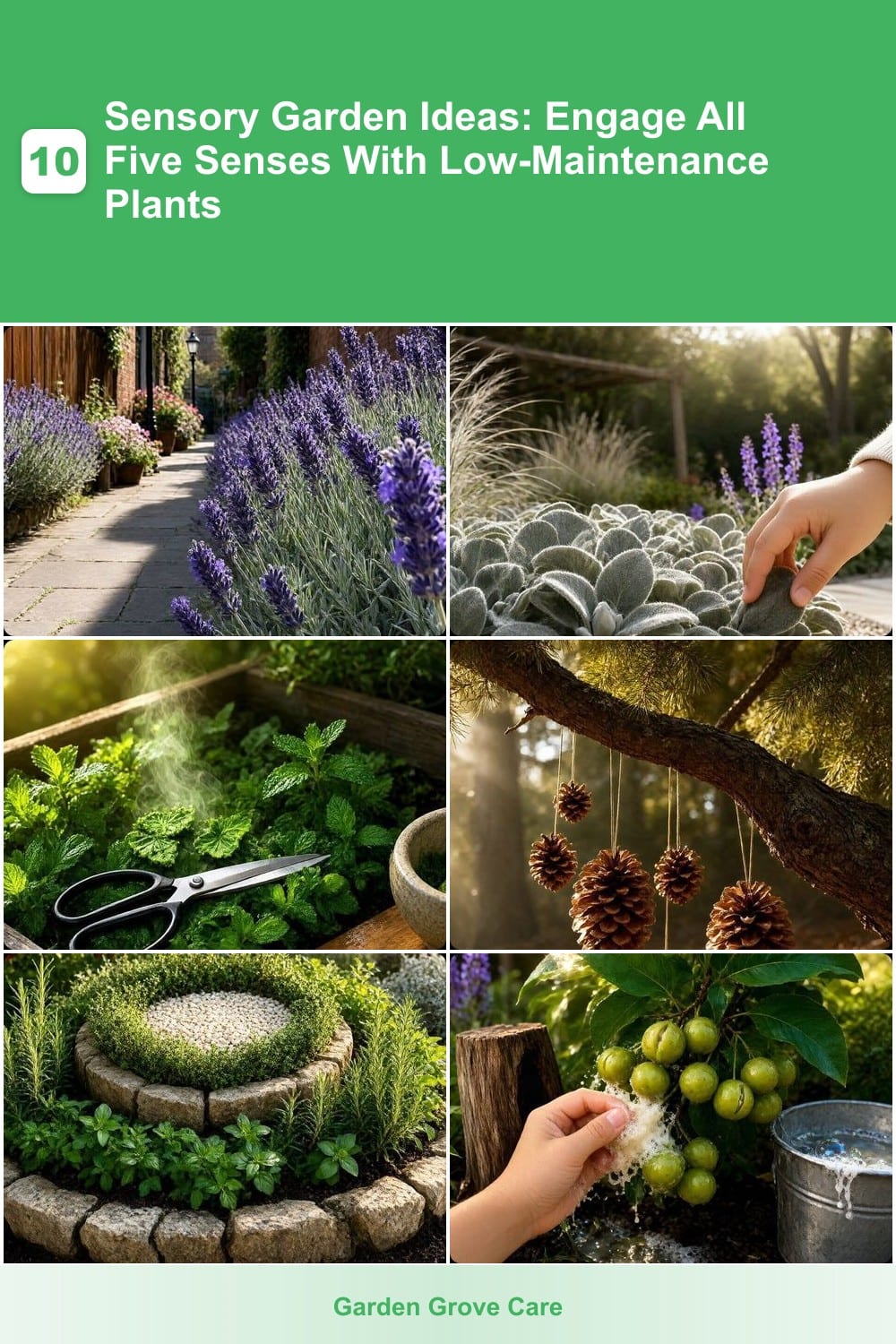
Transform your garden into a multi-sensory retreat where touch, sight, smell, sound, and taste create a therapeutic escape. These low-maintenance sensory garden ideas prove you don’t need a green thumb to cultivate a space that soothes the soul and stimulates the senses.
Fragrant Lavender Walkway Borders
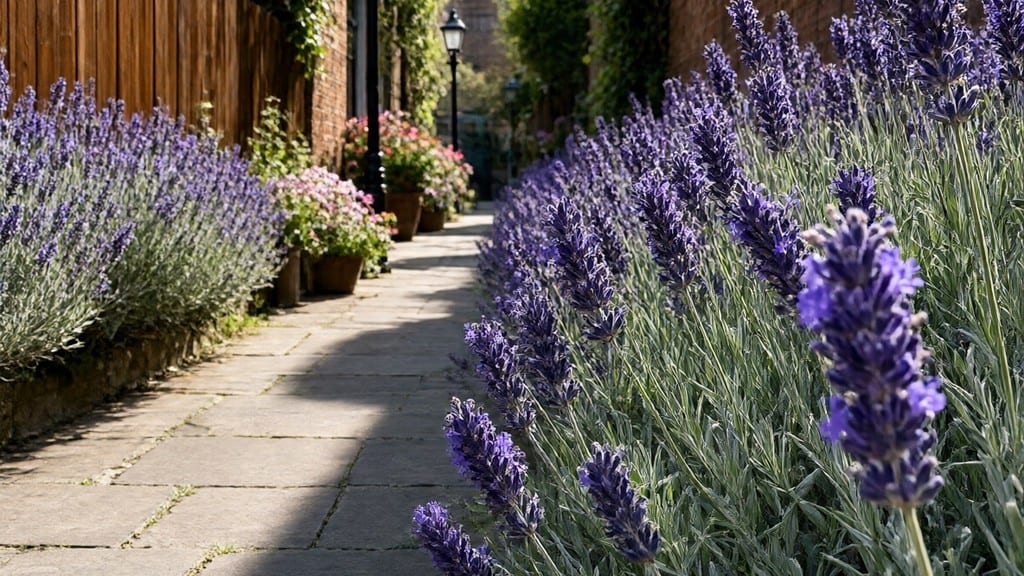
Transform even the tightest garden into a fragrant sanctuary with lavender walkway borders—where every step releases a wave of calming aroma. This drought-resistant superstar thrives in poor soil and needs watering only once a week, making it perfect for busy gardeners or small urban spaces.
Plant English lavender or Spanish lavender along pathways, spacing them 12-18 inches apart for full coverage. Their silvery foliage adds visual contrast, while the deep purple blooms attract pollinators. For containers, choose compact varieties like 'Munstead'—just ensure they get 6 hours of sun daily to maximize fragrance.
This design is ideal for anyone seeking low-maintenance beauty with a therapeutic scent. Whether lining a patio or defining a container garden, lavender borders turn ordinary paths into aromatic retreats. 🌿
Velvet Lamb’s Ear Textures

Imagine a garden where children can safely explore textures without dirt or mess—lamb’s ear (Stachys byzantina) delivers that soft, velvety experience in a low-maintenance package. Its silvery-gray, fuzzy leaves feel like a cloud, making it a sensory garden staple for tactile play areas or shaded patios.
This hardy perennial thrives in partial shade and well-draining soil, requiring only occasional watering once established. Its drought tolerance and deer resistance mean you’ll enjoy its plush foliage with minimal upkeep. Pair it with low-growing companions like creeping thyme for a contrasting texture duo.
Perfect for therapy gardens, children’s play spaces, or anyone who loves to touch their plants, lamb’s ear transforms ordinary garden beds into interactive experiences. 💚
Edible Mint Sensory Patch

Want a sensory garden that doubles as a kitchen staple? A mint sensory patch delivers fresh aroma, culinary flavor, and natural pest control—all in one compact, low-maintenance package. Simply crush a leaf to release its signature cool scent, or snip sprigs for teas, cocktails, or salads.
Plant spearmint or peppermint in a shallow container or small bed with 6 hours of sun daily and moist, well-draining soil. The strong scent deters ants, mosquitoes, and even cats—making it a dual-purpose workhorse. For urban spaces, try container gardening with a mix of mint and companion plants like chives or basil to balance growth.
This is the perfect solution for small balconies, herb spirals, or windowsill gardens where you crave both sensory engagement and practical harvests. 🌿
Crunchy Pinecone Sound Garden
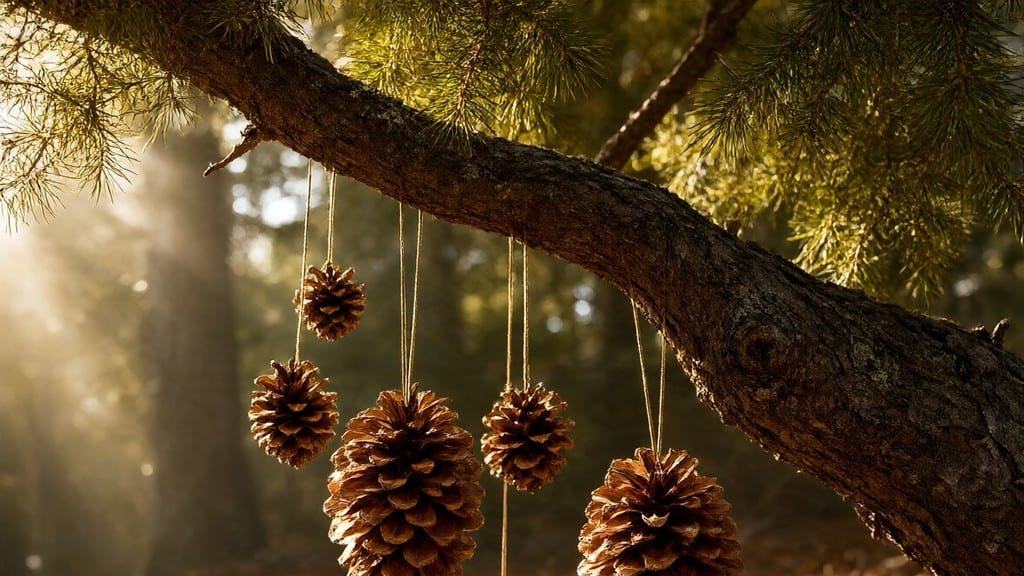
Skip the store-bought wind chimes and create a natural soundscape using what falls from your own trees. Native pinecones—like those from white pine or eastern white cedar—make rustic, zero-maintenance chimes that sway with every breeze, filling your garden with soothing, organic music.
Simply gather pinecones in autumn, remove any debris, and string them onto thick fishing line or twine at varying lengths for a cascading effect. Hang them from tree branches, a pergola, or even a deck railing where they’ll catch the wind. The best part? These chimes require no batteries, no tuning, and no upkeep—just let nature do the work.
This idea is perfect for woodland-style gardens, meditation spaces, or anywhere you want to add calming ambient sound without electricity. It’s also a great way to upcycle fallen pinecones into something beautiful and functional. 🌻
Taste-Safe Herb Spirals
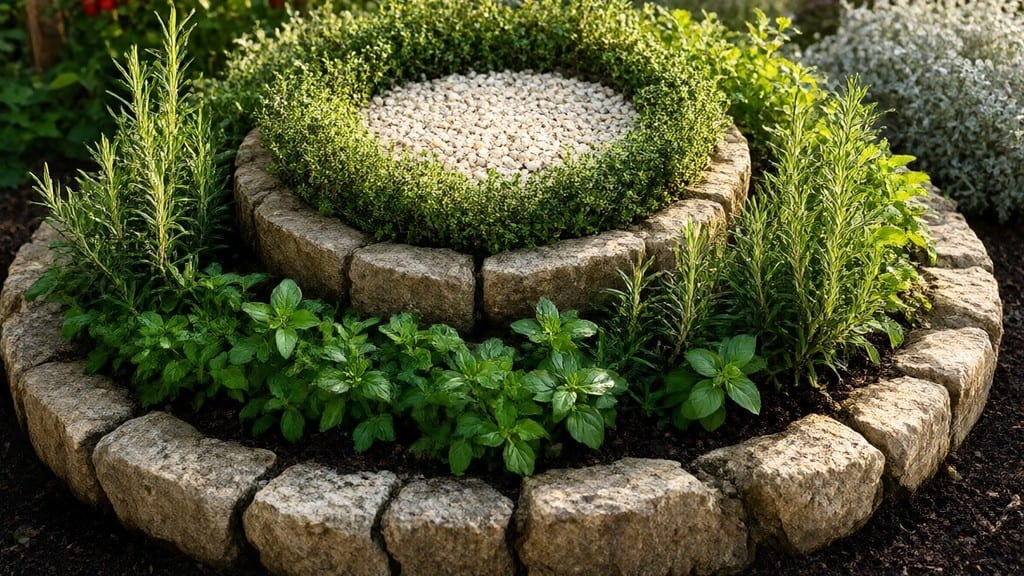
Want a garden that doubles as your kitchen’s secret spice cabinet? Taste-safe herb spirals let you grow culinary staples like thyme, rosemary, and oregano in a space-saving, aromatic display that’s as beautiful as it is functional.
Start by arranging plants in concentric circles around a central stone or wooden post, with taller herbs (like rosemary) on the outside and lower-growing varieties (like thyme) near the center. This design maximizes sunlight exposure while keeping leaves from shading each other. Well-drained soil and 6 hours of sun ensure robust growth, and the spiral shape makes harvesting a breeze—just reach in and snip what you need without trampling the bed.
Kitchen gardeners will love how these spirals turn cooking into a sensory experience, with each herb releasing its signature aroma as you walk by. Perfect for small patios or balcony containers, this design proves you can grow flavor and beauty in tight spaces. 🌿
Bubble Popping Soapberry Bush

Turn ordinary playtime into a magical science experiment with the soapberry bush (Sapindus saponaria), a native shrub whose berries explode into sudsy bubbles when crushed. This isn’t just fun—it’s an interactive lesson in plant chemistry that kids will love exploring.
Plant this low-maintenance shrub in full sun to partial shade, where it thrives in well-drained soil with minimal fuss. The berries ripen in late summer, and their soapy texture makes for a mess-free sensory experience—just let kids gently squeeze them between their fingers to watch bubbles appear. It’s also drought-tolerant once established, making it perfect for warm climates.
Ideal for backyard explorers or therapeutic gardens, this plant adds a playful twist to outdoor learning. Plus, it attracts birds and butterflies, doubling as an eco-friendly addition! ✨
Scented Night-Blooming Jasmine Trellis

Turn your evening patio into a fragrant sanctuary with moonflower vines (Ipomoea alba), which burst into bloom only after sunset. These delicate white flowers release a sweet, intoxicating jasmine scent that draws you outside as the sun sets, creating a magical sensory experience without any daytime upkeep.
Plant the vines near a trellis or fence where they’ll climb 8–10 feet, thriving in well-draining soil and 6–8 hours of sunlight daily. Unlike daytime bloomers, moonflowers close by mid-morning and reopen each evening for 3–5 days per bloom, so you’ll enjoy their perfume night after night. Water deeply once a week—drought-tolerant once established—and watch them transform your space into a twilight haven.
This is the perfect solution for urban balconies or small patios where daytime flowers might wilt in heat, but evening fragrance remains undisturbed. Even beginners will love how low-maintenance these vines are—just plant, water, and enjoy the nightly show. ✨
Temperature-Sensitive Touch-Me-Not Plants
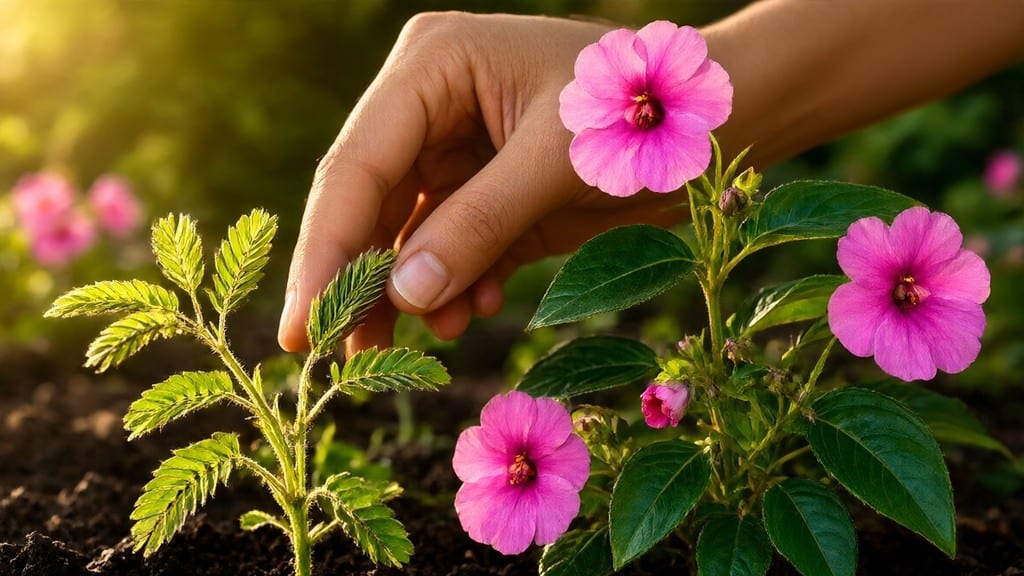
Turn your garden into a living science lesson with touch-me-not plants—the ultimate interactive surprise! These fascinating plants, like Mimosa pudica and Impatiens glandulifera, respond to touch by instantly folding their leaves, teaching kids about plant reactions in real time.
Plant them in well-draining soil with partial shade to prevent leaf burn, and water when the top inch feels dry. They thrive in warm climates but can be grown as annuals in cooler zones. For extra fun, add a small sign explaining how they "sleep" when touched—perfect for sparking curiosity.
Teachers, therapists, and parents will love this low-maintenance way to blend education with sensory play. 🌿
Crunchy Straw Mulch Pathways

Want a garden path that sings underfoot while keeping weeds at bay? Straw mulch transforms ordinary walkways into a sound-rich sensory experience—every step releases a rustling symphony that’s oddly satisfying. Unlike gravel or wood chips, straw provides a soft, organic crunch that changes subtly with each season, from dry whispers in summer to damp whispers in spring.
To create your own, spread 2-3 inches of wheat straw (avoid dyed or treated varieties) along your pathway, then lightly tamp it down. Refresh every 6-12 months to maintain its sound and weed-blocking properties. Pair it with drought-tolerant perennials like sedum or ornamental grasses along the edges for a low-maintenance border that enhances the effect.
Perfect for gardeners with large spaces who crave both aesthetics and practicality, straw mulch pathways deliver instant sensory feedback without the upkeep of traditional hardscapes. 🌻
Edible Calendula Flower Beds

Looking for a garden bed that’s as functional as it is beautiful? Edible calendula delivers bright orange blooms that double as a pollinator magnet and a tasty treat—no cooking required. These cheerful flowers thrive in full sun to partial shade, making them perfect for sunny borders or container gardens where you want both beauty and bounty.
Calendula petals add a mild, slightly peppery flavor to salads or teas, while their drought-tolerant nature means they’ll reward you with minimal fuss. Plant them alongside herbs or veggies to attract bees and butterflies, turning your garden into a thriving ecosystem. Deadhead spent blooms to encourage year-round production, and enjoy their dual role as both a decorative centerpiece and edible garnish.
This is the ideal choice for urban gardeners, homesteaders, or anyone who wants a low-maintenance way to engage all senses—especially sight and taste—without sacrificing ecological benefits. 🌻