
Vegetables
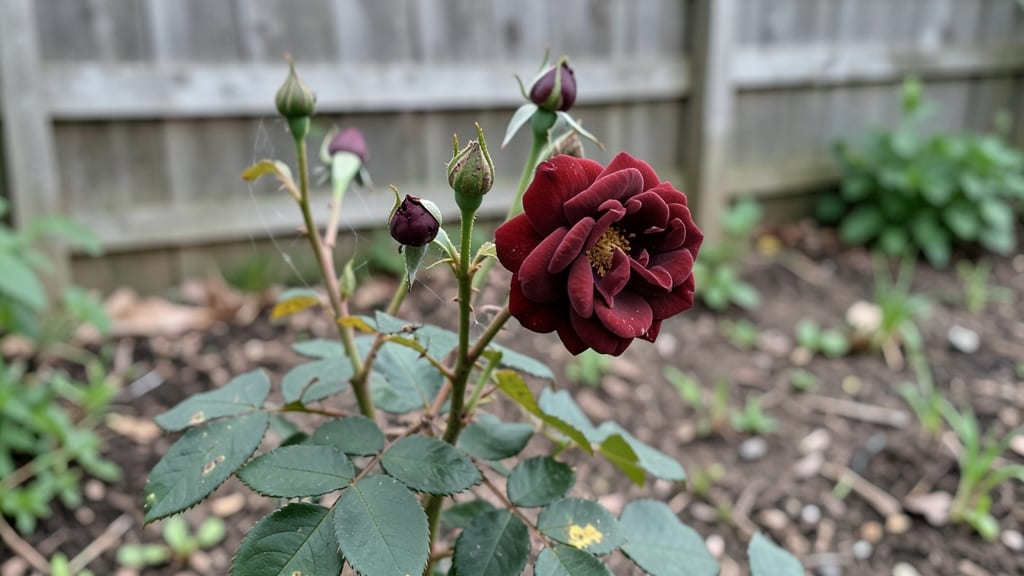
The Rosa Kew Gardens-inspired herb garden isn’t just about herbs—it’s about weaving fragrance and structure into every layer, just like the iconic rose collections at Kew.
I’ve designed mine to mimic that signature layered look, where roses frame the edges while herbs spill through the center, creating a sensory journey from the first sniff of rosemary to the velvety petals of a climber. The secret?
Treating roses as more than flowers—they’re the garden’s backbone, anchoring the space while letting herbs take center stage.
You don’t need a sprawling yard to pull this off.
Start with three rose varieties—one fragrant climber (like ‘Gertrude Jekyll’), one compact bush (such as ‘The Fairy’), and one repeat bloomer (try ‘Iceberg’)—paired with herbs that love similar conditions: thyme underfoot, oregano at the base, and lemon balm cascading near the roses.
The roses provide structure, while the herbs fill in with texture and scent, just like Kew’s meticulous plant pairings. Even in small spaces, this combo thrives in partial sun and well-draining soil.
By midsummer, you’ll have a garden that smells like a stroll through Kew’s rose tunnels—warm petals mingling with the sharp citrus of lemon verbena and the piney freshness of rosemary.
The roses will bloom in waves, while the herbs stay lush, their leaves brushing against petals as you walk by. This isn’t just a garden; it’s a layered experience where every step reveals something new, just like the curated beds at Kew.
Works for containers, raised beds, or full yards—adjust the rose sizes to fit your space. The key is seasonal swaps: replace spring bulbs with fall mums, and let the roses’ hips feed the soil when blooms fade.
Here’s how to make it happen without the fuss of a formal garden.
📚 In This Guide
- What you need
- Instructions
- Tips and common mistakes
- Wrapping up and next steps
What you need
- ● Herb Seeds or Seedlings: 6–8 Lavender plants (dwarf varieties like 'Hidcote' or 'Munstead')
- ● 4–6 Rosemary bushes (upright or trailing, e.g., 'Arp' or 'Blue Spires')
- ● 3–4 Thyme plants (creeping or lemon thyme for ground cover)
- ● 2–3 Oregano or Marjoram plants (hardy, drought-tolerant varieties)
- ● 1–2 Mint plants (in containers—it spreads aggressively!)
- ● 1–2 Chives or Garlic Chives for mild onion notes
- ● Soil & Amendments: 50 lbs well-draining potting mix (or garden soil amended with compost)
- ● 10 lbs perlite or coarse sand (for aeration, especially for Mediterranean herbs)
- ● 1 lb slow-release organic fertilizer (10-10-10 or balanced herb-specific blend)
- ● Containers or Garden Bed: Option 1: 1–2 raised beds (4'x8' minimum, 12" deep)
- ● Option 2: Individual pots (12" diameter for rosemary/lavender, 6" for thyme/chives)
- ● Tools: 1 hand trowel (for transplanting seedlings)
- ● 1 pruning shears (sharp, for trimming herbs)
- ● 1 watering can (with a fine rose nozzle)
- ● 1 garden gloves (to protect hands from prickly lavender)
- ● Decorative Elements: Small terracotta pots (for trailing rosemary or mint)
- ● Garden stakes or trellises (to support climbing herbs like French tarragon)
- ● Mulch (gravel or cedar chips to retain moisture and deter weeds)
- ● Scent & Aesthetic Boosters: 1–2 citrus-scented herbs (e.g., lemon verbena or lime basil)
- ● Dried lavender buds (for sachets or garden borders)
- ● Tech & Tracking: Small notebook or app (to log planting dates and harvest times)
- ● Soil pH test kit (ideal range: 6.0–7.0 for most herbs)
Step-by-Step instructions for creating a Rosa Kew Gardens-inspired herb garden
Bring the structured elegance of Kew Gardens' herbaceous borders into your space with this layered, fragrant design.
Plan Your Fragrant Layers for Structure and Scent
Start by sketching a simple layout with three distinct layers: tall herbs in the back, mid-height plants in the center, and low-growing ground covers in front. I recommend using lavender and rosemary as your tall back-row plants—they reach 18-24 inches and provide vertical interest. Place them 12-18 inches apart to allow air circulation, which prevents fungal diseases that thrive in damp conditions.
For the middle layer, choose herbs like thyme, oregano, and lemon balm, which grow 6-12 inches tall. These will fill the space between the taller plants while adding contrasting textures and scents. Position them 8-10 inches apart to allow room for their bushy growth habits. The front layer should consist of creeping thyme or mint, which spread beautifully along the ground and release their fragrance when brushed against.
Prepare the Soil for Optimal Drainage and Nutrients
Herbs thrive in well-draining soil with a slightly alkaline pH, similar to the conditions in Kew Gardens' historic herbaceous borders. Amend your existing soil with 2-3 inches of compost and 1 inch of coarse sand to improve drainage. Mix these thoroughly into the top 6 inches of soil using a garden fork. This ensures roots won’t sit in soggy conditions, which can rot easily.
For container gardens, fill your pots with a 50/50 mix of potting soil and perlite. This lightweight combination prevents compaction and mimics the airy, nutrient-rich soil found in Kew’s herb gardens. Water the soil lightly before planting to help settle it and remove any air pockets. You’ll know it’s ready when water drains through the bottom within 5-10 minutes—no puddling at the surface.
Plant Herbs in Strategic Groups for Fragrance and Function
Begin by planting your tallest herbs first, placing them in the back of your garden bed or deepest part of containers. Press the root ball firmly into the soil until it’s level with the surrounding ground, then water deeply to eliminate air gaps. Next, add mid-height herbs, positioning them 4-6 inches away from the taller plants to avoid competition for sunlight and nutrients.
Finish with low-growing herbs, tucking them into the front or edges of your design. These plants will cascade over container edges or fill gaps between taller stems, creating a lush, layered look. Space them 6-8 inches apart to encourage bushy growth. After planting, water each herb at the base with ½ cup of water to help roots establish quickly without disturbing the soil structure.
Mulch and Water to Preserve Moisture and Enhance Fragrance
Spread 1-2 inches of mulch—such as pine bark fines or straw—around each plant, keeping it 2 inches away from stems to prevent rot. Mulch retains moisture, suppresses weeds, and adds a clean, polished look reminiscent of Kew’s meticulously maintained borders. For containers, top-dress with ½ inch of mulch to reduce evaporation while keeping roots cool.
Water deeply 2-3 times per week, aiming for 1 inch of water per week total. You’ll know your herbs are getting enough moisture when the top 1 inch of soil feels slightly damp but not soggy. Avoid overhead watering, which can spread disease; instead, water at the base to encourage strong root growth. In hotter months, increase watering to every other day while monitoring for wilting leaves.
Prune and Maintain for Continuous Blooms and Scent
Trim herbs regularly to encourage bushier growth and prevent legginess. For woody herbs like rosemary and lavender, prune back by one-third in early spring and again after flowering. For soft-stemmed herbs like basil and mint, pinch off the top sets of leaves when they reach 4-6 inches tall to promote branching. This creates a fuller plant with more fragrant foliage, just like the manicured herbs in Kew’s collections.
Fertilize lightly in spring with a balanced, water-soluble fertilizer diluted to half strength. Over-fertilizing can lead to lush but flavorless leaves, so I recommend applying it once every 4-6 weeks during the growing season. Deadhead spent blooms promptly to redirect energy into new growth and extend the flowering season. With consistent care, your herb garden will stay vibrant and fragrant year-round, just like the historic displays at Kew Gardens.
Tips & tricks for perfect Kew Gardens-inspired herb gardens
Creating a fragrant herb garden inspired by Kew Gardens' elegance takes thoughtful planning. Here are my go-to tips to help you achieve that polished, professional look while keeping your herbs thriving.
Layering Secret: When planning your three layers in Step 1, I like to sketch a rough scale drawing first. This helps visualize how the mature heights will interact—especially when mixing lavender (18-24 inches) with thyme (6-12 inches). Pro tip: Place taller herbs slightly off-center in containers to create visual interest without blocking light from shorter plants. The 12-18 inch spacing for tall herbs might feel generous, but trust me—this prevents fungal issues by improving airflow, just like Kew Gardens' historic borders.
Soil Prep Shortcut: For Step 2, I've found that pre-mixing your compost and sand in a wheelbarrow makes it much easier to distribute evenly. The key is working that mixture into just the top 6 inches of soil—don't dig deeper than necessary. For containers, I recommend using a 50/50 mix of potting soil and perlite, but add a handful of coarse sand if you notice the mix feels too dense. That 5-10 minute drainage test is crucial—if water pools at the surface, add more perlite until it drains properly.
Planting Precision: In Step 3, when planting your tall herbs first, I've discovered a little trick that prevents soil compaction: After pressing the root ball into place, gently tap the sides of the hole with your hands. This settles the soil around roots without packing it too tightly. For the ½ cup of water you'll give each plant, I like to use a watering wand with a gentle spray—it helps settle soil around roots without disturbing them. The 4-6 inch spacing for mid-height herbs might seem tight, but these bushy plants will fill in beautifully over time.
Maintenance Mindset: The pruning instructions in Step 5 work wonders, but I've learned that timing matters. For woody herbs like rosemary, I prune just after flowering when new growth is most vigorous. For soft-stemmed herbs, I pinch leaves when they reach 4-6 inches—not before, because that can stunt growth. The 4-6 week fertilization schedule is perfect, but I've found that herbs actually prefer slightly less fertilizer than most plants. If you notice leaves becoming soft or pale, you're probably overdoing it.
Pro Tips for Rosa Kew Gardens
- Creating a fragrant herb garden inspired by Kew Gardens' elegance takes thoughtful planning.
- Layering Secret: When planning your three layers in Step 1, I like to sketch a rough scale drawing first.
- Soil Prep Shortcut: For Step 2, I've found that pre-mixing your compost and sand in a wheelbarrow makes it much easier to distribute evenly.
Frequently asked questions
Got questions about creating your own Rosa Kew Gardens-inspired herb garden? Here are some common ones—plus answers to help you grow a fragrant, year-round oasis!
What’s the best time of year to plant my herb garden?
For most herbs (like rosemary, thyme, and oregano), plant in early spring after the last frost or in late summer for a fall harvest. Mediterranean herbs like lavender and rosemary thrive in warm soil—wait until nighttime temps stay above 50°F (10°C). If you’re in a mild climate, you can even plant perennials like sage year-round!
How long does it take for herbs to grow and become usable?
Fast-growing herbs like cilantro and basil are ready in 4–6 weeks, while woody perennials like rosemary and thyme may take 3–6 months to establish. For a Rosa Kew Gardens aesthetic, focus on layering—plant slow growers (like lavender) in the back and faster ones (like chives) in the front for instant visual impact!
How often should I water my herb garden?
Most herbs prefer well-draining soil and moderate watering—about 1 inch (2.5 cm) per week. Mediterranean herbs (rosemary, oregano) hate soggy roots, so water deeply but infrequently. Mulch with gravel or straw to retain moisture while preventing rot. Pro tip: Water in the morning to reduce evaporation and fungal risks!
Can I grow these herbs in containers, or do I need a garden bed?
Containers
are perfect for herbs—just ensure they have drainage holes and 6+ inches of depth (deeper for rosemary). Group herbs with similar water needs (e.g., thyme + oregano) in one pot. For a Rosa Kew Gardens vibe, use terracotta pots or wooden crates for rustic charm. Place containers in full sun (6+ hours/day) for best results.
What’s the biggest mistake beginners make with herb gardens?
Overwatering or using regular garden soil—herbs need fast-draining, nutrient-light mixes (like cactus/succulent soil). Another pitfall? Planting too close together, which causes competition. Space herbs 8–12 inches apart (or follow container guidelines) for airflow and growth. Bonus: Avoid fertilizing heavily—most herbs prefer lean soil!
How do I keep pests away from my herb garden?
Herbs are generally pest-resistant, but aphids or spider mites may appear. Spray with neem oil or introduce ladybugs for natural control. Prevention tips:
- Prune regularly to improve airflow.
- Avoid overwatering (pests love damp soil!).
- Plant marigolds or nasturtiums nearby as pest repellents.
Wrapping up and next steps
Creating your own Rosa Kew Gardens-inspired herb garden is a rewarding journey that brings fragrant layers and year-round beauty to your space. 🌿 Whether you’re a seasoned gardener or just starting, the key is patience and passion—your herbs will thrive with the right care and love. Now’s the perfect time to roll up your sleeves, gather your tools, and start planting!
Ready to dive in? Pick your favorite herbs, sketch your design, and begin transforming your garden into a lush, aromatic paradise. Happy gardening! 🌱