
Lawn
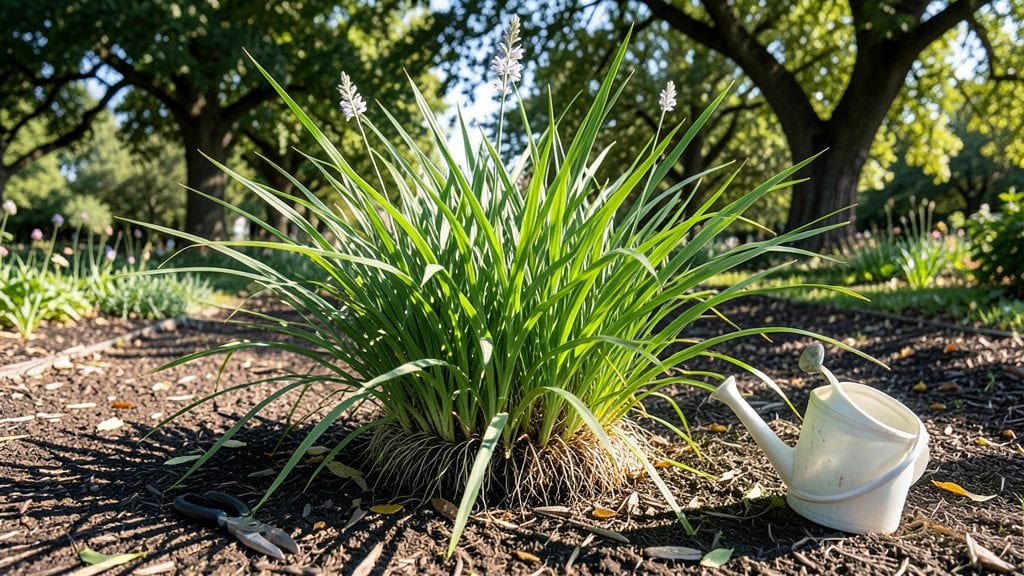
Growing lemon grass in your garden means fresh, fragrant stems for tea and cooking all year long. 🌿 The first time I planted it, I didn’t realize how easy it is to grow—now I have clumps in three different spots, and the citrusy aroma fills the air whenever the breeze stirs.
It thrives in warm climates but can also survive indoors if you bring it inside before frost hits.
The secret to happy lemon grass is mimicking its natural tropical habitat: plenty of sunlight, moist but well-draining soil, and protection from cold snaps. I use a mix of garden soil and compost, and I water it deeply about twice a week—more in summer, less in cooler months.
It grows best in pots or containers if you live in a colder zone, since the roots don’t like freezing temperatures.
By late summer, you’ll have thick, sturdy stalks ready for harvesting. Snip the outer stems first, leaving the inner ones to keep growing—this way, you get a steady supply without killing the plant.
The flavor is brightest when the stems are young and tender, perfect for curries, soups, or steeping in hot water for tea. The ornamental value doesn’t hurt either; its arching leaves add a tropical touch to any garden corner.
If you’re in a cooler climate, don’t worry—lemon grass can be overwintered indoors near a sunny window. Just keep the soil lightly moist and watch it bounce back in spring.
Whether you’re growing it for flavor or just love the scent, this plant is a no-fuss, high-reward addition to any garden.
📚 In This Guide
- What you need
- Instructions
- Tips and common mistakes
- Wrapping up and next steps
What you need
- ● Lemon grass plants: 3–5 mature clumps (3–4 inches tall, with healthy roots) or
- ● 1 packet of lemon grass seeds (if starting from scratch)
- ● Well-draining soil: Mix 60% garden soil with 40% compost or coconut coir for optimal growth.
- ● Sunlight access: A spot with 6–8 hours of full sun daily (partial shade works in hot climates).
- ● Watering can or hose: With a gentle spray nozzle for deep but even watering.
- ● Garden trowel or shovel (for transplanting clumps).
- ● Pruners or sharp scissors (to harvest stems and trim dead leaves).
- ○ Mulch (optional but recommended): Straw, wood chips, or shredded leaves to retain moisture and suppress weeds.
- ○ Container (optional): A 12–18 inch deep pot with drainage holes if growing in pots.
- ○ Fertilizer (optional): Balanced organic fertilizer (10-10-10) or compost tea every 4–6 weeks.
- ● Warm weather (70–90°F is ideal for planting; avoid frost-prone areas!).
- ● Patience! Lemon grass grows slowly at first but thrives with consistent care.
Step-by-step guide to growing lemon grass in your garden
Here’s how to grow fragrant, productive lemon grass plants that’ll keep you stocked for tea and cooking all year.
🌱 Step 1: Choose the Right Spot and Prepare the Soil
Lemon grass thrives in full sun—at least 6-8 hours daily—so pick a warm, sheltered location. I avoid shady corners because the stems lose their bold citrus scent without enough light. The soil should drain well but retain moisture, so if yours is heavy clay, mix in 2-3 inches of compost to loosen it up.
Dig a hole about 12 inches wide and deep—just enough to accommodate the root clump. If your soil feels dry, water it 24 hours before planting so the roots can settle without shock. Lemon grass hates soggy feet, so raise beds slightly if your yard holds water after rain.
🪴 Step 2: Plant the Corms or Divide Existing Clumps
Each lemon grass corm (the thick, knobby base) should go 2-3 inches deep in the soil, with the top third exposed. Space them 18-24 inches apart—they’ll spread over time, but crowding weakens the stems. If you’re dividing a mature clump, split it into 3-4 inch sections, ensuring each piece has at least one healthy shoot. Plant these the same way, pressing soil gently around the roots.
Water deeply right after planting to help the soil settle. You’ll know it’s right when the surface looks damp but not muddy. Mulch with 2-3 inches of straw or shredded leaves to keep moisture in and weeds out. This is the moment that matters: proper spacing now means fewer divisions later.
☀️ Step 3: Water and Feed for Strong Growth
Keep the soil consistently moist—not soggy, but never bone-dry. Lemon grass roots are shallow, so water 1-2 inches deep weekly, adjusting for rain. I check by sticking my finger 1 inch down: if it feels dry, it’s time to water. Overhead watering can rot the corms, so use a soaker hose or drip irrigation instead.
Feed lightly at first—too much fertilizer burns the roots. After 6-8 weeks, apply a balanced 10-10-10 fertilizer (about 1 tablespoon per plant) when new growth appears. You’ll see the difference in bold, upright stems and a stronger citrus scent when you crush a leaf. Real talk: skip the fertilizer, and the flavor fades fast.
✂️ Step 4: Harvest and Maintain for Year-Round Stems
Harvest stems when they’re 12-18 inches tall—cut them 2-3 inches above the corm with clean shears. This encourages fresh regrowth. I harvest every 4-6 weeks in warm months, and even in winter, the plants keep producing if protected from hard frosts. After cutting, trim any yellow or damaged leaves to keep the plant tidy.
In late fall, reduce watering slightly and stop fertilizing. Mulch heavily (4-5 inches) to insulate the corms over winter. Even in cold climates, lemon grass often survives with a thick layer of straw. Come spring, the new shoots will pop up like clockwork—just peel back the mulch and water to restart growth.
⏰ Step 5: Divide and Expand Your Patch
Every 2-3 years, lemon grass clumps get crowded and produce fewer stems. Dig up the entire plant in early spring before new growth starts. Separate the corms gently, ensuring each section has 2-3 shoots. Replant the divisions 18 inches apart in fresh soil. This is the secret to keeping your lemon grass productive—don’t skip it!
You’ll know it’s time to divide when the center of the clump stops producing new stems. The outer corms will still grow, but the middle turns woody and useless. After replanting, water deeply and watch for fresh shoots in 3-4 weeks. Now you’ve got a self-sustaining patch that’ll keep you in citrus flavor for years.
Tips & tricks for growing lemon grass in your garden
These simple tricks will help you grow lemon grass that's bursting with flavor and ready for harvest all year.
The Light Factor: Those 6-8 hours of sunlight are non-negotiable for flavorful lemon grass. I've planted mine in full sun and noticed the difference immediately—the stems develop that signature citrus punch when they get plenty of light. If your yard has partial shade, choose the sunniest spot available and consider using a sun reflector to boost light exposure during cloudy days.
Planting Depth Secret: When planting corms, that 2-3 inch depth with the top third exposed is crucial. Too deep and the plant struggles to emerge, too shallow and it can dry out. I like to use a small ruler to mark the depth before planting—this ensures consistency, especially when dividing larger clumps. The exposed top helps prevent rot while allowing new shoots to push through easily.
Watering Wisdom: The 1-2 inch deep weekly watering guideline works beautifully, but here's the thing: lemon grass roots are shallow, so focus on consistent moisture rather than heavy soaking. I use a moisture meter to check soil dampness at 1 inch depth—this helps me adjust for rain or dry spells. Remember, soggy soil is just as bad as bone-dry for these tropical plants.
Harvesting Hack: Those 12-18 inch stems are perfect for harvesting, but here's what nobody tells you—cutting at 2-3 inches above the corm encourages thicker regrowth. I mark my plants with small flags when they hit 12 inches, so I don't accidentally cut too low. The first harvest after planting might be smaller, but subsequent cuts will be fuller and more flavorful as the plant establishes itself.
Pro Tips for Lemon Grass In The Garden
- These simple tricks will help you grow lemon grass that's bursting with flavor and ready for harvest all year.
- The Light Factor: Those 6-8 hours of sunlight are non-negotiable for flavorful lemon grass.
- Planting Depth Secret: When planting corms, that 2-3 inch depth with the top third exposed is crucial.
Frequently asked questions
Got questions about growing lemon grass in your garden?
Here are the most common ones—and their answers—to help you cultivate this fragrant, versatile plant with confidence.
How long does it take for lemon grass to grow tall enough to harvest?
Lemon grass typically reaches harvestable height (about 12–18 inches) in 3–4 months from planting, though it can grow faster in warm, sunny conditions. If you’re starting from seeds, expect a slightly longer wait (4–6 months) since seedlings grow more slowly. Pro tip: Use nursery starts for quicker results!
Can lemon grass survive winter in cold climates? What’s the best way to protect it?
Lemon grass is tropical and won’t survive frost, but you can overwinter it indoors or in a greenhouse. Dig up the clumps before the first freeze, trim the leaves, and pot them in well-draining soil. Place them in a sunny window or under grow lights. In warmer zones (USDA 9–11), mulch heavily or cover with burlap to shield from light frosts.
How do I propagate lemon grass? Can I grow it from kitchen scraps?
Yes! Lemon grass spreads easily from dividing clumps or even kitchen scraps. Snip off the tough, lower portion of a stalk (about 4–6 inches), remove the outer leaves, and place it in water or moist soil. Roots will form in 2–4 weeks. For clump division, separate healthy shoots in spring and replant 12 inches apart.
Why is my lemon grass turning yellow or dying? What’s wrong?
Yellowing or dying lemon grass usually signals overwatering, poor drainage, or pests. Check the soil—it should stay slightly moist but not soggy. If roots are mushy, repot in well-draining mix. For pests, inspect for aphids or spider mites (common culprits) and treat with neem oil or insecticidal soap. Pro tip: Avoid crowded plants to improve airflow!
What are some easy alternatives to lemon grass if I can’t grow it?
If lemon grass isn’t your thing, try these fragrant, culinary-friendly substitutes:
- Citronella grass (similar citrusy aroma, great for pest control)
- Palmarosa (sweeter scent, used in perfumes and teas)
- Ginger (spicy kick for cooking, though not a direct flavor match)
- Lemongrass-free curry pastes (many brands blend turmeric, coriander, and other spices for a similar zing)
Wrapping up and next steps
Growing lemon grass in your garden is a rewarding way to enjoy its fragrant stems year-round—whether in tea, cooking, or natural remedies. With minimal effort, you can harvest fresh, aromatic stalks anytime and even share the bounty with friends! 🌿
Ready to dive in? Start by planting a few stalks this season and experiment with recipes or DIY projects. Before you know it, your garden will be buzzing with citrusy charm—and you’ll be sipping homemade lemon grass tea like a pro. What will you create first?