
Landscaping
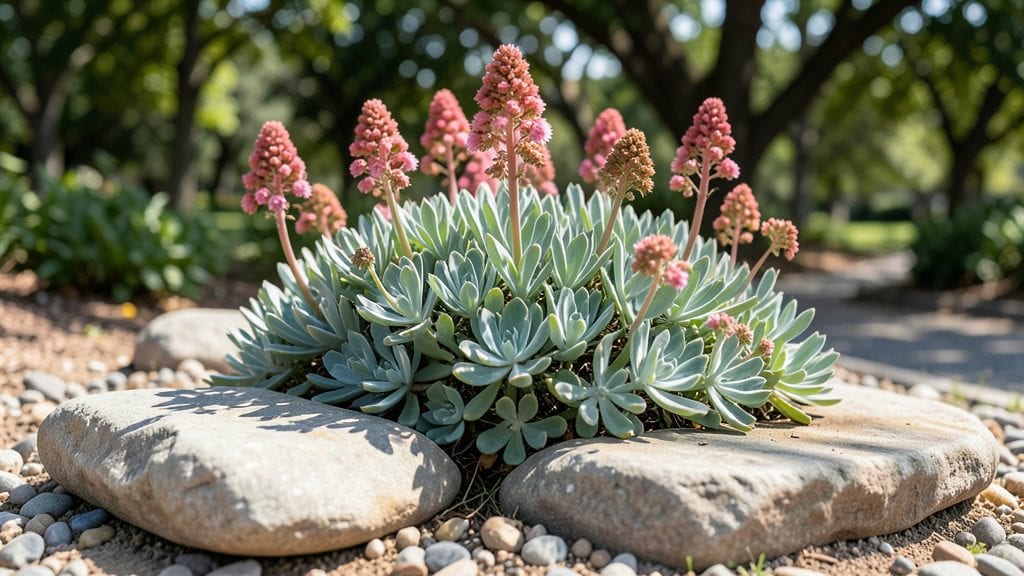
My rockery garden ideas come down to one principle: layering rocks and plants to create a living, breathing landscape that never looks tired. The key is mixing textures—smooth river stones, jagged slate, and mossy crevices—that work together like a natural sculpture.
I started mine after seeing how even a small patch of rocks could transform a dull corner into a year-round showpiece, with alpines peeking through cracks and succulents adding pops of color. The beauty of a rockery is that it’s low-maintenance but high-impact.
You’ll need a sturdy base (gravel and soil mix), a mix of sun-loving alpines and shade-tolerant ferns, plus rocks in varying sizes to create depth. My favorite combo? A woodland-inspired rockery with heuchera, sedum, and creeping thyme—it thrives in partial shade and stays lush even in winter.
The soil mix is the secret: 60% gritty compost, 30% sharp sand, and 10% perlite to keep roots happy without smothering them. What you’ll end up with is a garden that stays vibrant in every season—spring’s delicate saxifrages, summer’s sunburst of sempervivum, and winter’s evergreen moss.
The rocks retain heat, protecting plants from late frosts, while the right plant choices mean you’re not stuck with barren patches. I’ve even added a tiny water feature (a preformed pond liner) to attract birds and keep the ecosystem buzzing.
This design works for any space—urban balconies, rural backyards, or even a windowsill rockery—and scales from a single planter to a full landscape. The best part?
Once established, it’s almost self-sufficient, with plants that thrive on neglect but still deliver that wow factor every time you walk by.
📚 In This Guide
- What you need
- Instructions
- Tips and common mistakes
- Wrapping up and next steps
What you need
- ● Rocks & Stones: 10–50 lbs of flat stones (for base layers, 2–4 inches thick)
- ● 20–40 lbs of medium rocks (3–6 inches, for texture and drainage)
- ● 10–20 lbs of larger accent rocks (8+ inches, for focal points)
- ● Soil & Drainage: 2–3 cubic feet of gravel (for drainage, ½–1 inch size)
- ● 1–2 bags of well-draining potting mix (or cactus/succulent blend)
- ● Plants: 3–5 drought-tolerant perennials (e.g., sedum, lavender, or ornamental grasses)
- ● 1–2 small shrubs or succulents (for height and structure)
- ● Shovel or spade (for digging)
- ● Wheelbarrow (to haul materials)
- ● Garden gloves (for grip and protection)
- ● Level or string line (to ensure even layers)
- ● Trowel (for planting small gaps)
- ○ Optional: Landscaping fabric (to suppress weeds) or a rubber mallet (for stubborn rocks)
- ● A sunny or partially shaded spot (most rockery plants thrive in 6+ hours of light)
- ● A slight slope or raised bed (if building from scratch, plan for 6–12 inches of elevation)
- ● Access to water (for initial planting and occasional hydration)
Instructions for designing a rockery garden with year-round appeal
Let’s create a rockery that balances natural beauty with functional plant placement for lasting impact.
Select and Arrange Your Base Rocks
Choose rocks of varying sizes—some as large foundation stones and others as smaller accents—to create depth and visual interest. I like to start with the largest rocks first, placing them in clusters or along natural lines to mimic how they’d settle in a wild landscape. Leave gaps between rocks of about 6-12 inches to allow room for plants and soil later.
Arrange the rocks in a way that creates both high and low points, as this will help with drainage and plant placement. If your rockery has a sloped design, position the largest rocks at the bottom to prevent erosion and provide stability. Test the arrangement by walking around it—you want the flow to feel natural, not forced.
Layer Soil and Add Drainage Materials
Once the rocks are in place, fill the gaps between them with a 3-inch layer of coarse gravel or small rocks to promote drainage. This layer prevents water from pooling around plant roots, which is especially important in rockeries where water can easily become trapped. Over the gravel, add 2-3 inches of high-quality potting mix mixed with compost to provide nutrients for your plants.
I like to use a mix of 50% potting soil and 50% compost for this layer, as it balances drainage with fertility. Press the soil lightly into the gaps so it stays in place but doesn’t compact too tightly. This layer will be where most of your plants will root, so ensure it’s deep enough—at least 4-6 inches—to support healthy growth.
Choose Plants for Texture and Seasonal Interest
Select plants that thrive in rocky conditions and offer year-round appeal, such as sedums, heucheras, and alpine plants, which are drought-tolerant and adapt well to the shallow soil of a rockery. I recommend grouping plants by height—taller varieties like penstemon or lamb’s ear at the back, mid-height plants like thyme or creeping phlox in the middle, and low-growing ground covers like ajuga or moss at the front.
Consider the color palette as well—mix shades of green, purple, and silver for contrast, and include a few flowering plants like heather or stonecrop to add pops of color. Place plants in the soil layer, pressing gently to secure them without disturbing the drainage layer below.
Add Mulch and Finishing Touches
Spread a 1-inch layer of decorative gravel or small stones over the soil surface to suppress weeds and maintain moisture. Choose a mulch that complements the rock colors—light gravel for a bright, airy look or darker stones for a more dramatic contrast. Avoid organic mulches like wood chips, as they can break down and smother plants in a rockery’s shallow soil.
Finally, add any finishing touches, such as small stepping stones to create paths or additional accent rocks to fill gaps. Step back and assess the design—you want the rockery to feel balanced, with no single element overpowering the others. Adjust as needed to create a harmonious, low-maintenance garden feature.
Tips & tricks for perfect rockery garden design
Creating a rockery that thrives year-round requires thoughtful planning and attention to detail. These practical tips will help you avoid common pitfalls and create a garden feature that's both beautiful and functional.
Rock Selection Strategy: When choosing rocks for your foundation, prioritize those with irregular shapes and varied textures. Smooth river rocks create a more polished look, while rough, jagged stones add natural ruggedness. I recommend collecting rocks from your own property first—this ensures they'll complement your existing landscape colors. For larger rockeries, consider using a mix of local field stones and quarried rocks to create visual interest without overwhelming the space.
Drainage Layer Essentials: The 3-inch layer of coarse gravel in Step 2 is non-negotiable for rockery success. I've seen many gardeners skip this step, only to deal with waterlogged soil and struggling plants later. For even better drainage, consider adding a layer of landscape fabric between the gravel and soil. This prevents soil from washing down into the drainage layer while still allowing water to pass through. In particularly wet climates, you might even increase this layer to 4 inches for added insurance.
Plant Placement Psychology: The height-based arrangement in Step 3 isn't just about aesthetics—it's about creating a natural progression that guides the eye. Place your tallest plants like penstemon at the back to create a focal point, then work downward with mid-height plants in the middle, and finally use low-growing ground covers like ajuga at the front to soften edges. This arrangement also prevents taller plants from shading out their smaller neighbors, which is crucial in shallow rockery soil where roots compete for nutrients.
Mulch Selection Matters: While the instructions recommend decorative gravel, don't overlook the importance of choosing the right color and size. Lighter gravel creates a bright, airy look that works well in sunny locations, while darker stones provide contrast in shaded areas. For a more natural look, consider using small, irregularly shaped stones that mimic the rocks in your foundation. Avoid anything larger than 1/2 inch—larger mulch can create gaps where weeds will grow, defeating the purpose of using mulch in the first place.
Pro Tips for Rockery Garden Ideas
- Creating a rockery that thrives year-round requires thoughtful planning and attention to detail.
- Rock Selection Strategy: When choosing rocks for your foundation, prioritize those with irregular shapes and varied textures.
- Drainage Layer Essentials: The 3-inch layer of coarse gravel in Step 2 is non-negotiable for rockery success.
Frequently asked questions
Got questions about creating or maintaining a rockery garden?
Here are some of the most common ones—plus practical answers to help you design a stunning, low-maintenance space that thrives year-round.
What’s the best time of year to build a rockery garden?
The ideal time is early spring or fall when soil is workable but not frozen. Avoid summer heat or winter frost, which can stress plants and make installation harder. If you’re in a mild climate, spring is your best bet—it gives plants time to establish roots before summer droughts.
Do I need special soil for a rockery garden?
Yes! Use a well-draining, gritty mix—like a 50/50 blend of topsoil and coarse sand or gravel. Avoid heavy clay, which retains too much moisture and can rot roots. For rocky areas, add perlite or pumice to improve aeration. Pro tip: Test your soil’s drainage first by digging a hole, filling it with water, and timing how long it takes to drain.
Can I use just rocks without plants in a rockery?
A dry rockery (or karesansui-style garden) is a stunning, zero-maintenance option. Focus on texture, color, and arrangement—layer large boulders with smaller stones, and add mulch or gravel for cohesion. Just ensure rocks are stable (use landscape adhesive if needed) and place them where they won’t shift in rain or freeze-thaw cycles.
How do I keep weeds from taking over my rockery?
Weeds thrive in gaps, so prevent them with these tricks:
- Landscape fabric under rocks (leave edges exposed to avoid trapping moisture).
- Mulch with gravel or bark—weeds struggle to penetrate dense layers.
- Hand-pull weeds early before they seed (a gloved hand or weeding tool works best).
- Choose ground covers like sedum, thyme, or moss to outcompete weeds naturally.
For stubborn weeds, spot-treat with vinegar-based herbicide (avoid harsh chemicals near plants).
Will a rockery garden work in cold climates?
Yes, but with winter prep! Choose cold-hardy plants like heather, junipers, or alpine asters. In freezing zones:
Evergreens and succulents add year-round structure, while dormant-season interest (like bark textures or frost patterns on rocks) keeps it beautiful in winter.
Wrapping up and next steps
Creating a rockery garden is all about blending natural textures, hardy plants, and thoughtful design to craft a stunning, low-maintenance outdoor space. Whether you’re drawn to cascading succulents, dramatic boulders, or a mix of both, the key is to start small, prioritize drainage, and let your creativity flow.
With the right materials and a little patience, your rockery will become a year-round focal point that thrives with minimal effort.
Ready to bring your vision to life? Grab your tools, sketch a rough layout, and dive in! 🌿✨ Start with one section, experiment, and watch your garden transform—one rock and plant at a time.