
Pests
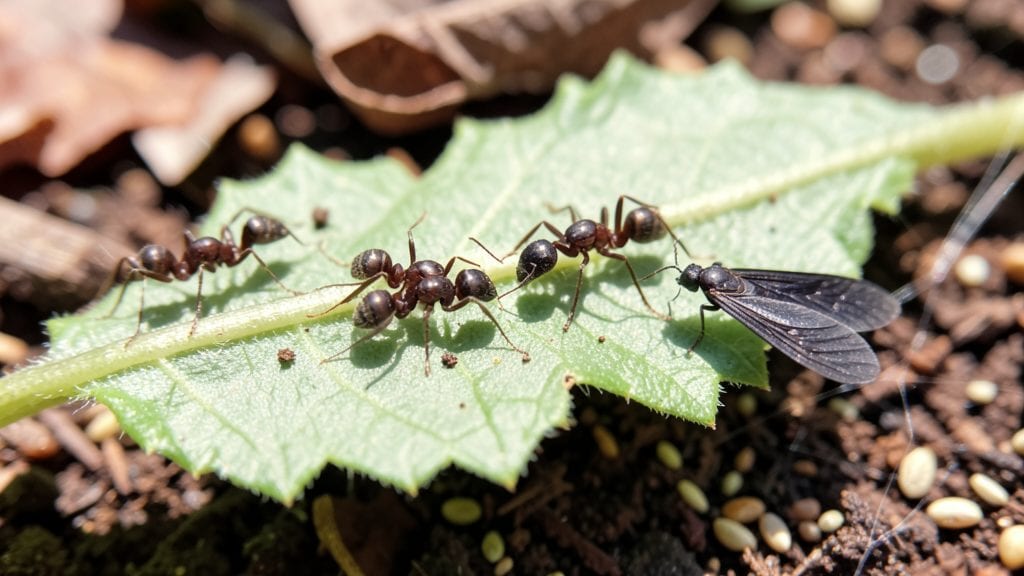
Repelling ants in your garden starts with a simple, foolproof citrus-spice barrier that works for months without chemicals. 🌿 I’ve battled sugar-craving fire ants and carpenter ants in my raised beds, and this method—using orange peels, cinnamon, and cloves—finally broke their trail patterns for good.
The trick is disrupting their scent trails while keeping plants safe. Fire ants avoid citrus oils, and cinnamon’s strong scent confuses their foraging routes. You’ll need just 3 ingredients from your kitchen, plus a few minutes to set up the perimeter.
No more digging up mounds or watching aphids get "farmed" by marching ant colonies.
By late summer, you’ll notice fewer tiny black trails on your mulch and healthier plants. The barrier lasts 6-8 weeks if you refresh it after rain, and it’s completely safe for kids, pets, and pollinators. Even my neighbor’s stubborn Argentine ants gave up after a week of this treatment.
Works for vegetable gardens, flower beds, and patio containers—just adjust the spacing based on your ant species. Here’s exactly how to mix and apply it without wasting a drop.
Why Your Garden Becomes Ant Central
Ants don’t just wander into your garden by accident—they’re following a trail of clues, chemical signals, and environmental cues that turn your yard into their five-star resort. Understanding these triggers is the first step to outsmarting them.
Here’s why your garden might be their new favorite hangout, broken down by the science behind their behavior.
Ants are drawn to gardens like bees to honey—because many plants are their version of candy. 🍬 Their antennae detect sugary nectar from flowers, protein-rich aphid honeydew (a sticky byproduct of aphid feeding), and even fermenting fruit left on the ground.
Some garden plants, like dandelions, clover, and roses, produce nectar that’s a free buffet for ants. Worse? They’ll farm aphids like cattle, protecting them in exchange for honeydew—meaning your garden’s pests are now being actively recruited by ants.
Actionable insight: If you spot ants trailing up stems or clustering near leaves, check for aphids or overripe fruit. Remove these food sources, and you’ll disrupt their entire supply chain.
Ants need water, but they’re not just sipping from puddles—they’re harvesting moisture from damp soil, dew-covered leaves, and even the condensation on your garden hoses. 💦 Moisture-loving species, like fire ants or carpenter ants, will nest in areas with high humidity, such as mulch piles, rotting wood, or poorly drained soil.
Once they find a hydrated zone, they’ll mark it with pheromones, turning it into a permanent watering hole for their colony.
Actionable insight: Reduce standing water, fix leaky irrigation, and avoid over-mulching near foundations or wood structures. If your soil stays soggy, ants will too.
While sugar fuels ants, protein builds their colonies.
They scavenge for dead insects, pet food, fallen birdseed, and even compost piles teeming with decaying organic matter. 🍖 Some species, like pharaoh ants, will raid kitchens for grease and crumbs, but others focus on outdoor protein, including grubs in lawns, slugs, and even other insects you’re trying to attract (like ladybugs).
Actionable insight: Store pet food in sealed containers, clean up fallen birdseed, and avoid over-fertilizing lawns—excess nitrogen attracts grubs, which ants love as a snack.
Ants don’t just explore randomly—they lay pheromone trails like digital breadcrumbs, guiding thousands of workers to the best food and water sources in your garden. 🚧 These trails are invisible to us but hypervisible to ants, who follow them with military precision.
If one scout finds a reliable food source (like your compost or a fruit tree), the entire colony will swarm it within hours.
Actionable insight: Disrupt trails with vinegar or soapy water (ants avoid these scents) or physically block entry points with diatomaceous earth (a natural powder that dehydrates them).
Ants are highly sensitive to temperature and humidity shifts.
In late summer or early fall, colonies split to form new queens, sending swarms of workers (and future pests) into your garden in search of shelter. 🌪️ Similarly, drought-stressed plants release stress signals that ants interpret as “easy pickings”, leading them to raid struggling vegetation.
Even warm, still nights encourage foraging because ants are less likely to be disturbed by predators.
Actionable insight: Monitor weather patterns—ant activity spikes before rain or after heatwaves. Use this knowledge to pre-treat high-risk zones with natural repellents.
Quick Fixes for Ant Infestations
Ants in your garden aren’t just a nuisance—they can damage plants, disrupt soil, and even invite other pests. But the good news? You can repel ants effectively with simple, natural solutions tailored to the root cause.
Below, we’ll break down the most common triggers and the best fixes to keep your garden ant-free for months.
Ants march in straight lines because they follow pheromone trails left by scouts searching for food. If your garden has fallen fruit, spills, or protein-rich plants (like tomatoes or beans), you’ve got a buffet calling their name.
How to Stop It: ✅ 🍋 Citrus Spray Barrier – Mix peelings from 2 lemons or oranges with 1 quart of water and a splash of dish soap. Boil for 10 minutes, strain, and spray around entry points (base of plants, sidewalks, and garden edges). The citric acid disrupts their scent trails and repels them naturally. Reapply every 2 weeks or after rain.
✅ 🌶️ Spicy Hot Pepper Solution – Blend 1-2 hot peppers (like cayenne or jalapeño) with 1 gallon of water and a drop of liquid soap.
Pour into a spray bottle and hit ant paths, plant stems, and garden borders. The capsaicin burns their antennae, sending them packing. Works for 3-4 weeks.
✅ 🍞 Bait & Trap – Place borax or diatomaceous earth (food-grade only) mixed with sugar and water in shallow dishes near ant trails. Ants carry it back to the colony, eliminating the queen and the nest within days. Avoid if you have pets or kids—keep baits out of reach.
Ants love damp soil, mulch piles, and decaying wood—perfect spots to build colonies. If your garden stays soggy or has hidden nests (like under rocks or logs), you’ll keep seeing them.
How to Stop It: ✅ 🌡️ Dry Out Their Hideouts – Remove rotting wood, thick mulch layers, and leaf litter where ants nest. Replace mulch with gravel or coarse sand (ants hate walking on sharp edges). Check under potted plants too!
✅ ☀️ Sunlight Exposure – Ants avoid bright, open spaces. Trim back dense foliage and place reflective objects (like aluminum pie pans or CDs) near entry points. The glare disorients them and keeps them away. Rotate pans weekly for best results.
✅ 💧 Fix Leaks & Drainage – Ants seek out water sources. Check for leaky hoses, overwatered plants, or poor drainage. Adjust your watering schedule to keep soil dry but not bone-dry (ants also avoid extreme dryness). Water in the morning so moisture evaporates by evening.
Some plants attract ants like magnets—especially those with sweet nectar, honeydew (from aphids), or protein-rich seeds. If your garden has tomatoes, beans, citrus, or roses, you’re basically rolling out the welcome mat.
How to Stop It: ✅ 🌿 Plant Ant-Repellent Companions – Interplant mint, lavender, basil, or marigolds near vulnerable crops. These mask attractive scents and confuse ants. Bonus: They improve soil and deter other pests too!
✅ 🐞 Break the Aphid Cycle – Ants farm aphids for honeydew. Spray plants with neem oil or insecticidal soap to kill aphids, removing the ant buffet. Reapply every 5-7 days until aphids vanish.
✅ 🚫 Seal Entry Points – Fill cracks in walls, gaps in fences, and holes in tree bark with caulk or copper mesh (ants can’t cross copper). Check low areas where ants tunnel underground.
Once you’ve kicked ants out, keep them from coming back with these low-maintenance habits:
💡 🌱 Maintain Garden Hygiene – Pick up fallen fruit, spilled drinks, and pet food immediately. Ants will swarm within minutes of a sugar source.
💡 🌿 Prune Regularly – Trim overgrown branches that touch the ground—ants use them as highways into your garden.
💡 🌡️ Rotate Repellents – Ants can adapt to one method, so switch between citrus sprays, spicy barriers, and diatomaceous earth every few weeks.
💡 🐝 Protect Beneficial Insects – Avoid harsh chemicals like ortho-boric acid, which can harm bees and ladybugs. Stick to natural repellents that target ants only.
For long-lasting protection, combine these three power moves:
- Spray citrus barrier around garden edges once a week.
- Sprinkle diatomaceous earth lightly near ant trails every 10 days.
- Plant lavender or mint in key trouble spots for continuous scent confusion.
This 1-2-3 combo creates an ant-proof zone that lasts 6-8 weeks with minimal effort. 🚀
Need faster results? For severe infestations, mix 1 part vinegar + 1 part water in a spray bottle and drench ant hills (they’ll abandon the nest within hours). Just avoid spraying on plants—vinegar can burn leaves!
Frequently asked questions
Why do ants keep coming back even after I've sprayed repellents?
Ants have incredible memories and rely on scent trails. If you only spray the visible trails, they'll find new paths. The key is creating a full perimeter barrier around your garden (not just hotspots) and refreshing it after rain. Also, ants may be coming from underground nests—check for mounds or moisture near foundations.
Is diatomaceous earth safe for my plants and soil?
Food-grade diatomaceous earth is non-toxic to plants and beneficial microbes, but it works best on dry surfaces. Sprinkle it lightly around ant trails (not directly on leaves) and water it in if you want it to stay in place. Avoid breathing the dust—wear a mask when applying. It's especially effective for carpenter ants and fire ants.
Can I use coffee grounds to repel ants in my garden?
Coffee grounds can help temporarily, but they're not a long-term solution. The caffeine disrupts ants' scent trails, but they'll adapt quickly. For better results, mix used coffee grounds with citrus peels or cayenne pepper to create a stronger barrier. Fresh grounds work slightly better than composted ones—sprinkle them around plant bases.
How do I know if my ants are fire ants or regular ants?
Fire ants (like red imported fire ants) have reddish-brown bodies, aggressive behavior, and mound-building habits. Regular pavement ants are smaller, black, and don't build mounds. Fire ants will actually bite when disturbed, while most garden ants just scatter. If you see them tending aphids or forming large mounds, you're likely dealing with fire ants.
Will these methods work for ants in potted plants?
For container gardens, focus on the soil surface and pot edges. Mix dried citrus peels into the top inch of soil or create a ring of cinnamon around the pot's base. Avoid vinegar sprays near delicate foliage. Check under saucers too—ants often bridge from soil to water sources there. Rotate methods every few weeks to prevent adaptation.