
Vegetables
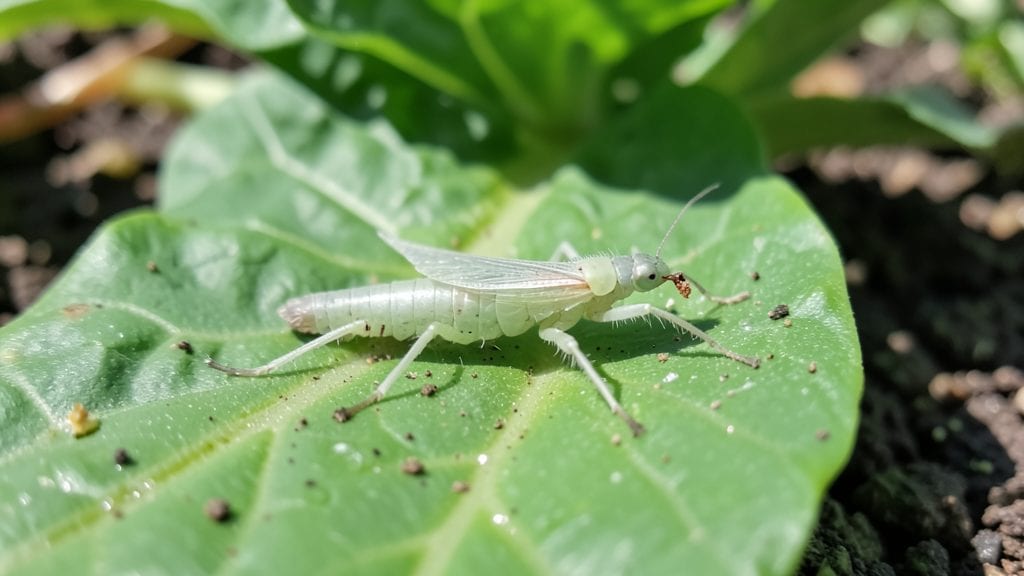
My homemade organic insect control for vegetable gardens saved my tomato plants from a full-blown aphid siege last summer—here’s how I did it. 🌿 The best part? It’s made from kitchen staples and works faster than I expected—no synthetic chemicals, just targeted protection that actually stops pests in their tracks.
This spray tackles aphids, beetles, and caterpillars by disrupting their feeding patterns without harming your veggies or the good bugs in your garden. You’ll need just three simple ingredients—soap, oil, and water—and a spray bottle.
The process takes 10 minutes, and you can reuse the mix every 2-3 weeks for consistent results.
After the first application, you’ll notice pests dropping off leaves within hours, and new growth stays untouched. The plants look healthier, too—fewer holes in leaves, more vibrant green, and a stronger resistance to future attacks.
It’s the kind of solution that makes you feel like you’re working with nature, not against it.
Works for any vegetable garden, from raised beds to in-ground plots, and pairs perfectly with companion planting for extra protection. Once you try it, you’ll wonder why you ever reached for chemical sprays.
📚 In This Guide
- What you need
- Instructions
- Tips and common mistakes
- Wrapping up and next steps
What you need
- ● 1 gallon (3.8L) of water (distilled or dechlorinated if possible—chlorine can harm plants).
- ● 1-2 tbsp (15-30mL) of liquid dish soap (mild, biodegradable—like Dr. Bronner’s or Castile soap).
- ● 1-2 tbsp (15-30mL) of vegetable oil (neem oil is best for repelling pests, but canola or olive oil works too).
- ● 1 tsp (5mL) of cayenne pepper or hot sauce (adds a spicy kick pests hate!).
- ● 1 tbsp (15mL) of garlic or onion extract (freshly blended or bottled—garlic is stronger).
- ● 1 tbsp (15mL) of rubbing alcohol (70% isopropyl) (helps mix oil and water).
- ● 1 empty spray bottle (16-32 oz / 500mL-1L) (clean, reusable—glass is best to avoid chemical leaching).
- ○ Blender or food processor (for crushing garlic/onion—optional if using bottled extract).
- ● Fine-mesh strainer or cheesecloth (to filter out chunks if blending fresh ingredients).
- ● Funnel (for easy transfer to the spray bottle).
- ○ Gloves (optional—cayenne and garlic can irritate skin!).
- ● Label & marker (to mark your spray as “organic pest control” and date it).
- ○ Neem oil cake (optional) (dried neem seed cake—steep in water for 24 hours for extra potency).
Step-by-Step instructions for homemade organic insect control sprays
Here's how I make a potent, plant-safe spray that keeps pests away without chemicals.
🌿 Step 1: Gather Your Natural Ingredients
Start with 1 quart of water as your base. Add 2 tablespoons of neem oil—this disrupts insect life cycles and deters chewing pests. For extra repellent power, include 1 tablespoon of liquid castile soap (not detergent) to help the mixture cling to leaves. If you have 1 crushed garlic bulb or 1 tablespoon of cayenne pepper, add those too—the sulfur compounds in garlic and capsaicin in peppers create a natural pest deterrent.
I like to use a 1-quart spray bottle for this recipe, but any clean, reusable container with a fine spray nozzle works. The key is to mix everything thoroughly so the active ingredients disperse evenly. If you're using garlic, blend it first for maximum potency—you'll notice a strong aroma that pests avoid.
💧 Step 2: Mix and Strain for Safety
Combine all ingredients in the spray bottle and shake vigorously for 30 seconds to emulsify the oils. Let the mixture sit for 10 minutes, then shake again. If you used garlic or cayenne, strain the liquid through a fine-mesh sieve or cheesecloth to remove any solids—this prevents clogging the spray nozzle and keeps your plants from getting residue buildup.
This spray is best used fresh, but you can store it in the refrigerator for up to 5 days. Before each use, give it a good shake—oils and water naturally separate. I test a small amount on a single leaf first to ensure no plant sensitivity, especially if you're treating delicate crops like lettuce or spinach.
☀️ Step 3: Apply in Early Morning or Late Evening
Spray your vegetable garden early in the morning or late in the evening when temperatures are cooler. This reduces the risk of harming beneficial insects like bees and ladybugs, which are active during the day. Focus on the undersides of leaves—most pests hide there—and apply until the foliage is lightly damp but not dripping. Avoid spraying in direct sunlight, as the oils can burn leaves when heated.
Reapply every 3-5 days or after rain, since the spray washes off. For persistent infestations, alternate with other organic methods like row covers or companion planting with pest-repelling herbs. You'll notice fewer pests within 24-48 hours, and existing insects will often abandon treated plants entirely.
✂️ Step 4: Prevent Future Infestations
After spraying, remove any visibly damaged leaves or pests by hand—this reduces the overall pest population. I also recommend mulching with 2 inches of straw around plants to disrupt egg-laying cycles and retain moisture. Rotate your spray ingredients monthly to prevent pests from building resistance—try 1 tablespoon of horticultural oil mixed with water one month, or a garlic-chili blend the next.
This homemade spray works best as part of an integrated approach. Pair it with healthy soil practices (like adding 1 cup of compost per plant) and diverse plantings to create an ecosystem where pests struggle to thrive. You'll see stronger, more resilient plants that naturally resist attacks over time.
Tips & tricks for perfect homemade organic insect control sprays
These game-changing tips will help you maximize effectiveness while keeping your garden—and beneficial insects—safe.
Emulsification Secret: The 30-second vigorous shake in Step 2 is crucial for creating a stable emulsion. Neem oil and water don't naturally mix, so you need that vigorous shaking to break the oil into tiny droplets. I like to use a dedicated spray bottle with a tight-fitting cap and shake it like I'm trying to wake up a sleepy toddler—this ensures the oils stay suspended and the spray works properly.
Garlic Blending Tip: If you're using garlic, don't just crush it—blend it first for maximum potency. I pulse 1 crushed garlic bulb with 2 tablespoons of water in a blender until completely liquefied. This releases more of the sulfur compounds that pests find offensive. The blended garlic also mixes more evenly with the other ingredients, preventing clumps that could clog your spray nozzle.
Application Strategy: The timing in Step 3 matters more than you might think. Early morning application gives the spray time to dry before the heat of the day, while evening application prevents UV degradation. I've found that spraying just as the dew begins to form creates an even better protective layer on the leaves. For maximum coverage, work in sections—spray one row completely before moving to the next.
Storage Wisdom: While the spray lasts up to 5 days refrigerated, I've noticed the effectiveness drops after about 3 days. The oils start to separate more noticeably, and the garlic or cayenne potency diminishes. For best results, make fresh batches every 3 days, especially during peak pest seasons. If you must store longer, keep the bottle completely full to minimize air exposure, which speeds up oxidation.
Pro Tips for Organic Insect Control For Vegetable Gardens
- These game-changing tips will help you maximize effectiveness while keeping your garden—and beneficial insects—safe.
- Emulsification Secret: The 30-second vigorous shake in Step 2 is crucial for creating a stable emulsion.
- Garlic Blending Tip: If you're using garlic, don't just crush it—blend it first for maximum potency.
Frequently asked questions
Got questions about organic insect control?
You’re not alone! Here are answers to the most common concerns gardeners face when using natural pest repellents—so you can keep your veggies thriving without harsh chemicals.
What’s the best time of day to apply homemade sprays?
Apply organic sprays early morning or late evening when temperatures are cooler and pests are less active. This prevents the spray from evaporating too quickly and ensures maximum effectiveness. Avoid midday heat, which can harm plants or reduce the spray’s potency.
How often should I reapply organic sprays?
Reapply every 7–10 days or after heavy rain. Consistency is key! If pests persist, increase frequency to every 5–7 days. Check plants regularly—early intervention is easier than battling an infestation later.
Can I use these sprays on all vegetables, or are some off-limits?
Most organic sprays (like neem oil, garlic, or soap solutions) are safe for leafy greens, tomatoes, peppers, and root veggies. However, avoid strong vinegar or citrus sprays on acid-sensitive plants like beans or potatoes. Always spot-test a small area first!
What do I do if pests keep coming back?
If pests persist, rotate your sprays (e.g., alternate neem oil with garlic spray). Check for hidden eggs or larvae, and consider physical barriers like row covers or beneficial insects (ladybugs, lacewings). Healthy soil also boosts plant resilience!
Are homemade sprays safe for pets and kids?
Most organic sprays are pet- and kid-friendly when used correctly, but neem oil and hot pepper sprays can irritate eyes or paws. Rinse produce before eating, and keep pets away until sprays dry. Always store sprays out of reach!
Still stumped? Try a combination approach—compost, companion planting, and manual removal (like handpicking pests) work wonders alongside sprays!
Wrapping up and next steps
By embracing organic insect control for your vegetable garden, you’re not just protecting your plants—you’re nurturing a healthier, more sustainable ecosystem. 🌱 Whether you’re a seasoned gardener or just starting out, homemade sprays like neem oil or garlic-chili mixtures offer effective, chemical-free solutions that keep pests at bay without harming your produce.
The best part? You’re empowering yourself with simple, natural techniques that work in harmony with nature.
Ready to take the next step? Start small: try one of these sprays on a single patch of your garden, observe the results, and gradually expand. Share your successes (or even challenges!) with fellow gardeners—community knowledge is the ultimate green thumb booster. Happy gardening! 🌿