
Planting
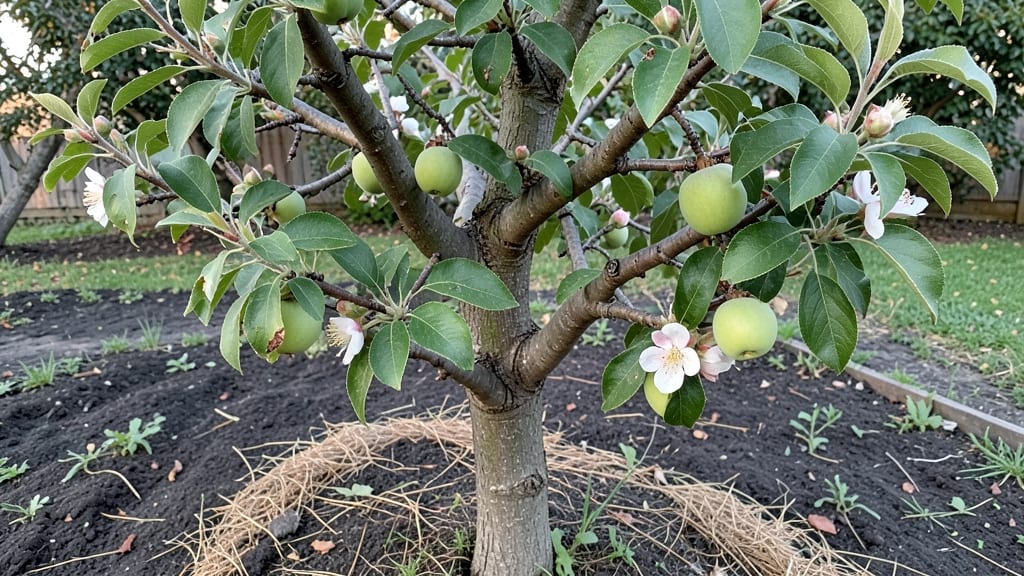
You can plant a little garden and eat a lot of peaches—just pick the right dwarf varieties and train them cleverly. 🌱 My first year with five peach trees in a 4x4-foot space proved it—neighborhoods will mistake your backyard for a peach orchard.
The secret isn’t just dwarf trees; it’s how you arrange them with companion plants and prune them to focus energy on fruit.
You’ll need compact varieties like ‘Bonanza’ or ‘Redhaven’ (both thrive in containers or espaliered against fences), well-draining soil mixed with compost, and a sunny spot getting at least 6-8 hours of light daily.
Pollination is the trickiest part, so plant two compatible varieties or hand-pollinate with a paintbrush if bees are scarce. Mulch keeps roots cool and conserves water—critical for peaches that ripen in summer heat.
By midsummer, you’ll be harvesting dozens of juicy peaches from trees that look like shrubs. The flavor rivals commercial fruit, but with none of the pit spitting or mealy texture.
Plus, the trees stay manageable—pruning takes 15 minutes every spring instead of hours. Imagine slicing peaches for cobbler while your neighbors still pay $5 a pound at the store.
Works in containers, along patios, or tucked into flower beds. The only limit is how many you’ll share—or how much jam you’ll make this fall. Let’s get those trees planted!
📚 In This Guide
- What you need
- Instructions
- Tips and common mistakes
- Wrapping up and next steps
What you need
- ● Dwarf peach tree (1-3 plants): Choose self-pollinating varieties like ‘Bonanza,’ ‘Redhaven,’ or ‘Elberta’ for hassle-free peaches. Ensure they’re labeled as dwarf (typically 6-10 ft mature height).
- ● High-quality potting mix (5-10 gallons): Use a well-draining blend with compost (e.g., 60% potting soil, 30% compost, 10% perlite).
- ● Container or in-ground plot: Containers: At least 15-gallon pots with drainage holes (bigger = better for root growth).
- ● In-ground: A sunny spot (6+ hours of light) with loose, fertile soil (pH 6.0-6.5). Test soil if unsure!
- ● Organic fertilizer (balanced 10-10-10 or fruit-specific): 1 lb per tree for planting, plus slow-release granules for ongoing feeding.
- ● Mulch (2-3 inches): Straw or wood chips to retain moisture and suppress weeds.
- ● Drip irrigation or hose with spray nozzle: Peaches need 1-2 inches of water weekly (more in heatwaves).
- ● Pruning shears (sterilized): Sharp, clean tools to shape trees and remove dead branches.
- ● Garden gloves: Protect your hands from thorns and soil.
- ● Soil moisture meter: Avoid over/under-watering (peach trees hate soggy roots!).
- ● Fruit tree spray (organic copper or neem oil): Preempt pests like aphids or peach leaf curl.
- ● Trellis or stakes: Support heavy branches as fruit ripens (especially for container trees).
- ● Peach tree cage (for containers): Protects from critters like rabbits or deer.
- ● Journal or app: Track planting dates, watering, and harvest progress!
Step-by-Step instructions for planting dwarf peach trees
Here’s how to get four dwarf peach trees thriving in minimal space for years of juicy harvests.
🌱 Step 1: Choose the Right Location and Prepare the Soil
Dwarf peach trees need full sun—at least 6-8 hours daily—but they’re forgiving about soil as long as it drains well. I always test drainage first by digging a 12-inch deep hole and filling it with water. If it drains within 30 minutes, you’re good. If not, amend the soil with 2-3 inches of compost mixed into the top 12 inches of soil.
Peaches hate soggy roots, so raised beds or mounds work beautifully if your native soil is heavy clay. The key is loose, fertile soil that warms up quickly in spring. I like to add a slow-release fertilizer (like 10-10-10) at planting time to give the trees a nutrient boost without burning their roots.
🪴 Step 2: Plant at the Correct Depth and Spacing
Dig a hole twice as wide as the root ball but no deeper—peach trees sit 2-3 inches higher than the surrounding soil to prevent waterlogging. Gently loosen the roots if they’re circling and position the tree so the graft union (the bump where the top and rootstock meet) is 2-3 inches above soil level. This ensures future growth stays dwarf-sized.
Space your 4 trees 10-12 feet apart in a square or rectangular pattern. This gives them room to reach for sunlight without crowding, which is crucial for fruit production. Backfill the hole with soil, tamping lightly to remove air pockets. Water deeply right after planting to settle everything and eliminate gaps.
☀️ Step 3: Mulch and Water for Establishment
Spread 3-4 inches of mulch (like wood chips or straw) in a 3-inch-wide ring around each tree, keeping it 6 inches away from the trunk to prevent rot. Mulch locks in moisture and keeps roots cool in summer. Water deeply 2-3 times per week for the first month, letting the soil dry slightly between waterings. You’ll know it’s right when the top 2 inches of soil feel dry but moisture remains deeper.
Here’s the thing—don’t overwater. Peaches are drought-tolerant once established, and soggy soil invites root rot. After the first month, cut back to once a week unless it’s 90°F+, then increase to twice weekly. Watch for wilting leaves—that’s your signal to water.
✂️ Step 4: Prune for Shape and Fruit Production
In their first year, prune only to remove dead, crossing, or inward-growing branches. Use clean, sharp pruners to make cuts at a 45-degree angle just above a bud. The goal is an open center—this lets sunlight and air reach the center of the tree, which prevents disease and encourages fruit development.
In year two, prune in late winter (before buds swell) to shape the tree into a modified central leader (one main trunk with side branches). Remove suckers (shoots growing from the base) immediately—they drain energy from the tree. You’ll see stronger growth and more fruit within a season if you keep the tree open and airy.
🍑 Step 5: Fertilize and Pollinate for Maximum Yield
Feed your trees annually in early spring with a balanced fertilizer (like 10-10-10) spread 6 inches from the trunk. Water it in immediately to prevent root burn. Dwarf peaches are self-pollinating, but planting two varieties ensures better fruit set. If you only have one tree, hand-pollinate with a small brush in early spring when flowers open.
Thin fruit in late spring to 6-8 inches apart—this prevents overcrowding and lets each peach grow large and sweet. You’ll know you’ve done it right when the remaining fruit looks plump and evenly spaced. Harvest when peaches slip easily from the branch (usually late summer to early fall).
Tips & tricks for planting dwarf peach trees
These little-known strategies will help you maximize your dwarf peach trees' potential and avoid common pitfalls that can sabotage your harvest.
Soil Preparation Secret: The 30-minute drainage test in Step 1 is non-negotiable—don't skip it! If your soil drains poorly, consider creating raised beds or mounds instead of amending. I've seen peach trees fail within months when planted in heavy clay without proper drainage. The 2-3 inches of compost mixed into the top 12 inches creates the perfect loose, fertile environment that peaches crave.
Planting Depth Technique: That 2-3 inch elevation above soil level in Step 2 isn't just about waterlogging prevention—it's also about disease control. The graft union needs to stay above soil to prevent fungal infections. I've found that using a level helps ensure consistent depth across all four trees. And here's what nobody tells you: if you plant too deep, the tree will struggle to establish properly.
Watering Wisdom: The 2-3 times per week schedule in Step 3 works perfectly for most climates, but timing matters just as much as frequency. Water in the morning so leaves have all day to dry, reducing fungal risks. When checking soil moisture, dig down 2 inches—surface dry doesn't mean root dry. In summer heat (90°F+), I increase to twice weekly but always check for wilting leaves first.
Pruning Pro Tip: The 45-degree angle cuts in Step 4 aren't just for aesthetics—they direct water and nutrients away from the cut. I always sterilize my pruners with rubbing alcohol between cuts to prevent disease spread. And here's my game-changer: mark your pruning areas with a permanent marker before making cuts. This helps visualize the open center structure you're aiming for.
Pro Tips for Plant A Little Garden Eat A Lot Of Peaches
- These little-known strategies will help you maximize your dwarf peach trees' potential and avoid common pitfalls that can sabotage your harvest.
- Soil Preparation Secret: The 30-minute drainage test in Step 1 is non-negotiable—don't skip it!
- Planting Depth Technique: That 2-3 inch elevation above soil level in Step 2 isn't just about waterlogging prevention—it's also about disease control.
Frequently asked questions
Got questions about growing your own peach paradise?
Here are answers to the most common ones—so you can dive in with confidence!
How long does it take for a dwarf peach tree to bear fruit?
A dwarf peach tree typically starts producing fruit 2–3 years after planting, with some varieties yielding earlier (even in the first year!). Patience pays off—just give it time, sunlight, and love.
When is the best time to plant a dwarf peach tree?
Plant in early spring or late fall when the soil is workable but not frozen. Avoid extreme heat—bare roots can dry out. If you’re in a warm climate, late winter is ideal.
Can I grow peaches in containers, or do I need a yard?
Yes! Dwarf peach trees thrive in large containers (at least 15–20 gallons) with drainage holes. Just ensure they get 6+ hours of sun daily and replant in the ground after 3–5 years for better stability.
Why aren’t my peach tree flowers turning into fruit?
Common culprits: lack of pollinators (plant a second tree or attract bees), late frost (protect blossoms with frost cloth), or poor nutrition (feed with citrus-soluble fertilizer). Thin fruit early to boost size!
How do I know when peaches are ripe and ready to pick?
Ripe peaches yield slightly to gentle pressure, smell sweet near the stem, and have a full, juicy look. Color varies by variety—don’t judge ripeness by hue alone! Pick in the morning for the best flavor.
Wrapping up and next steps
There you have it—your path to a sweet, sunlit peach paradise in just a few square feet! Dwarf peach trees prove that big rewards don’t need big space, and with the right care, you’ll soon be savoring juicy, ripe peaches straight from your backyard. 🍑✨
Ready to take the next step? Start by picking one variety that thrives in your climate, then grab your tools and get planting! Whether you’re a first-time gardener or a seasoned green thumb, this little project will bring big smiles—and big harvests—to your table. Now go make some magic happen!