
Pests
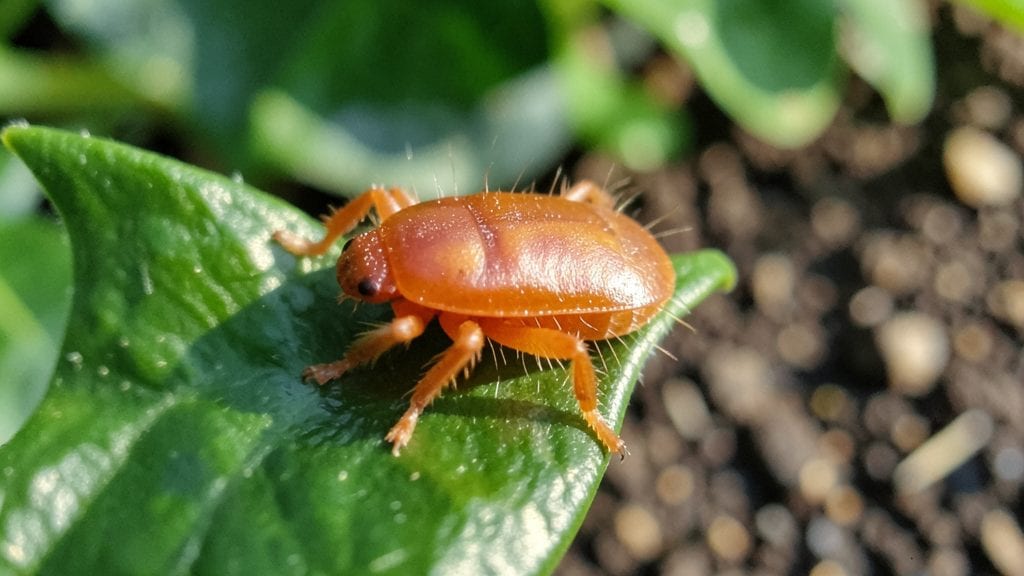
Those bright orange garden insects aren't just a nuisance—they can strip leaves overnight if you don't act fast. I've battled everything from orange tortrix moths to citrus pests, and I'll show you how to stop them without harsh chemicals that harm your plants (or your conscience).
The key is understanding what these orange invaders want: shelter, food, and easy access to your prized plants. A simple row cover or neem oil spray can work wonders when applied at the right time—usually at dusk when they're most active.
I've seen entire infestations vanish within a week using these methods.
You'll end up with healthier plants that bounce back faster, plus a garden that stays vibrant without the telltale skeletonized leaves. The best part? These solutions work for both vegetables and ornamentals, so your entire yard benefits. Let's get those pests under control for good.
Works in any climate zone, though timing varies slightly—just watch for the first signs of orange eggs or larvae. Here's how to make it happen without the guesswork.
Root Causes Of Orange Garden Invaders
Orange garden insects—whether they’re orange citrus beetles, aphids with orange hues, or even the infamous Harmonia axyridis (multicolored Asian lady beetle)—don’t just appear out of nowhere. Their presence is almost always tied to specific environmental triggers, plant vulnerabilities, or human habits.
Understanding these root causes is the first step to preventing future infestations. Let’s break down why these bright orange critters show up in your garden and what’s inviting them in.
When plants are nutrient-deficient, waterlogged, or overcrowded, their natural defenses weaken. Orange garden insects—like aphids or spider mites—often target stressed vegetation because it’s easier for them to feed on weakened sap or leaves.
Why it happens:
- Poor soil health: Compacted, nutrient-poor soil limits root growth, making plants more susceptible to pests. Orange insects like Thrips (which can appear orange-red) thrive in environments where plants can’t fend them off.
- Excessive moisture: Overwatering or poor drainage creates a damp, ideal breeding ground for soft-bodied insects like orange citrus scale or fungal gnats.
- Competition for resources: Overcrowded gardens force plants to compete for sunlight and water, weakening their immune response. This stress signal attracts pests looking for an easy meal.
Actionable fix: 💡 Test your soil’s pH and nutrient levels (aim for 6.0–7.0 for most garden plants). Use organic compost or mulch to improve drainage and reduce stress.
Some orange garden insects are drawn to specific plants—especially those with sweet nectar, soft leaves, or citrusy scents. Others, like the Asian lady beetle, are attracted to gardens that offer both food and shelter.
Why it happens:
- Citrus & fruit trees: Orange insects like citrus leafminers or orange tortrix moth caterpillars are specifically drawn to citrus plants because their leaves and fruit provide a high-energy diet.
- Weeds & wildflowers: Dandelions, clover, and other "weeds" often serve as alternative food sources for pests before they move to your prized plants.
- Late-season blooms: Flowers like cosmos or marigolds (which can attract beneficial insects) might also lure orange aphids or whiteflies if they’re in bloom during pest peak seasons.
Actionable fix: 🌡️ Remove spent blooms and fallen fruit promptly to eliminate food sources. If citrus is a problem, consider resistant varieties or prune for airflow to reduce hiding spots.
Even the most well-maintained gardens can become pest magnets if human activities accidentally create welcoming conditions. Orange garden insects often hitchhike on tools, plants, or even wind currents from nearby infested areas.
Why it happens:
- Bringing in infested plants: Buying or trading plants (especially from nurseries or online) can introduce orange citrus beetles or mealybugs hidden in soil or stems.
- Poor sanitation: Leaving rotting organic matter, mulch piles, or debris provides shelter and breeding grounds for insects like orange-colored fungus gnats.
- Overuse of synthetic pesticides: Harsh chemicals can kill natural predators (like ladybugs or lacewings), allowing orange pests to multiply unchecked.
Actionable fix: ✨ Quarantine new plants for 2 weeks and inspect them thoroughly before adding to your garden. Clean tools and pots with a 10% bleach solution to kill hidden pests.
Orange garden insects often time their life cycles with seasonal changes, temperature shifts, or even humidity levels. Some species, like the orange dogwood borer, are more active during warm, dry spells.
Why it happens:
- Warm winters: Mild winters allow overwintering pests (like orange-colored harlequin bugs) to survive and reproduce earlier in the year.
- Drought stress: Dry conditions force plants to close stomata (pores), making them more vulnerable to piercing-sucking insects like orange aphids.
- Sudden heatwaves: Rapid temperature spikes can disrupt beneficial insect populations, giving orange pests a temporary advantage.
Actionable fix: 🎯 Monitor local pest activity reports (from extension services) and time preventive treatments (like neem oil sprays) before peak seasons.
Quick Fixes for Orange Garden Invaders
Dealing with tiny orange pests in your garden can feel like a never-ending battle, but the good news is that most solutions are simple, natural, and effective.
Below, we’ve mapped out targeted fixes based on the most common causes—whether it’s aphids, citrus mites, or other orange-hued critters—and paired them with prevention tips to keep your garden pest-free long-term.
Before diving into solutions, confirm what you’re dealing with. Orange garden pests often include:
- Citrus mites (tiny, oval, bright orange)
- Aphids (often orange when feeding on certain plants)
- Scale insects (orange, waxy bumps on stems/leaves)
- Thrips (slender, orange-brown, fast-moving)
Use a hand lens or magnifying glass to inspect leaves, stems, and undersides of foliage. If unsure, snap a photo and compare it to online guides (like the University of California’s Pest ID Tool).
🔥 For Soft-Bodied Pests (Aphids, Mites, Scale)
Cause: These pests thrive in damp, shaded areas and suck plant sap, leaving sticky residue. Fix:
- Neem Oil Spray 🌿
- Mix 1 tbsp neem oil + 1 tsp mild soap + 1 quart water in a spray bottle.
- Spray directly on infested areas (especially undersides of leaves) every 5–7 days for 2–3 weeks.
- Why it works: Disrupts pests’ life cycles and repels future infestations.
- Insecticidal Soap 🧼
- Use a store-bought or homemade soap spray (1 tsp castile soap per quart of water).
- Spray until leaves glisten, focusing on clusters of pests.
- Caution: Test on a small leaf first—some plants (like succulents) are sensitive.
- Horticultural Oil 🛢️
- Apply in early morning or late evening (avoid direct sun to prevent leaf burn).
- Reapply after rain.
👨🍳 For Burrowing or Stubborn Pests (Thrips, Some Beetles)
Cause: These pests hide in soil or chew leaves, making them harder to spot. Fix:
- Diatomaceous Earth (DE) 🪨
- Sprinkle food-grade DE lightly around plant bases and soil surface.
- How it works: DE’s microscopic particles dehydrate pests on contact.
- Reapply after watering (it loses potency when wet).
- Beneficial Nematodes 🐛✨
- Microscopic worms that kill grubs and larvae in the soil.
- Mix with water and apply to soil at dusk. Best for spring or fall treatments.
- Yellow Sticky Traps 🎣
- Hang yellow cards near affected plants to catch flying thrips or whiteflies.
- Replace every 2–3 weeks or when saturated.
These low-effort habits reduce future infestations by making your garden less inviting.
🌡️ Adjust Watering Habits
- Avoid overhead watering (keeps foliage damp, encouraging pests).
- Water at the base in the early morning so leaves dry quickly.
- Pro tip: 💡 Drip irrigation is a game-changer for pest prevention!
🎯 Prune & Clean Up
- Remove infested leaves immediately (drop them in a sealed bag—do not compost).
- Thin out dense foliage to improve airflow (pests love tight, humid spots).
- Clean tools with rubbing alcohol between uses to avoid spreading pests.
🌱 Strengthen Plant Health
- Healthy plants resist pests better! Ensure your garden gets:
- Balanced fertilizer (too much nitrogen = soft, pest-loving growth).
- Compost-rich soil for strong roots.
- Proper sunlight (most pests target stressed, shaded plants).
| Season | Action | Why It Works |
|---|---|---|
| Spring | Apply neem oil as new growth emerges. | Stops early infestations before they spread. |
| Summer | Mulch heavily to deter crawling pests. | Keeps soil moist and pests away from roots. |
| Fall | Plant pest-repelling companions (marigolds, basil, garlic). | Confuses pests with strong scents. |
| Winter | Remove plant debris and till soil. | Eliminates overwintering eggs/larvae. |
- ❌ Avoid broad-spectrum chemical sprays (they kill beneficial insects too).
- ❌ Don’t ignore early signs—tiny orange specks = act fast!
- ❌ Skip regular checks—pests multiply quickly in warm weather.
By combining targeted treatments with preventive care, you’ll keep your garden orange-pest-free without harsh chemicals. Start with one method (like neem oil or pruning), monitor for improvement, and layer in more strategies as needed. Happy gardening! 🌱🐞
Frequently asked questions
Are all orange garden insects harmful to my plants?
Not necessarily! Some orange garden insects, like Asian lady beetles or orange ladybugs, are actually beneficial predators that eat aphids and mites. Focus on identifying whether they're chewing leaves, sucking sap, or simply passing through. If you're unsure, observe their behavior—harmful pests usually leave damage like holes, sticky residue, or wilting.
How do I tell the difference between orange aphids and beneficial ladybugs?
Orange aphids are typically tiny, soft-bodied, and clustered on new growth, often leaving a sticky residue. Beneficial ladybugs (like Harmonia axyridis) are slightly larger, have spotted backs, and move actively. Check for damage: aphids cause curled leaves and stunted growth, while ladybugs help control other pests. A magnifying glass helps spot the key differences!
When is the best time of day to treat orange garden pests?
Early morning or late evening are ideal for most treatments. This is when pests are least active and temperatures are cooler, reducing stress on your plants. Avoid applying sprays like neem oil or insecticidal soap during peak sun hours, as the sun can burn treated foliage. For soil-based pests, treat at dusk when beneficial nematodes are most effective.
Will orange garden insects come back after I treat them?
Yes, but with consistent prevention, you can minimize recurrence. Many orange pests have multiple life cycles per year, so combine treatments with regular monitoring and plant care. Focus on improving soil health, removing debris, and using companion plants like marigolds or basil. Some pests may return seasonally, but proper timing and targeted solutions reduce their impact significantly.
Can I use essential oils to repel orange garden insects?
Essential oils like peppermint, rosemary, or citrus can be effective repellents when mixed with water and a drop of soap. Spray directly on leaves (test a small area first) and reapply after rain. For best results, combine with other methods like neem oil or diatomaceous earth. Avoid using undiluted oils, as they can harm plants.