Companion Plants
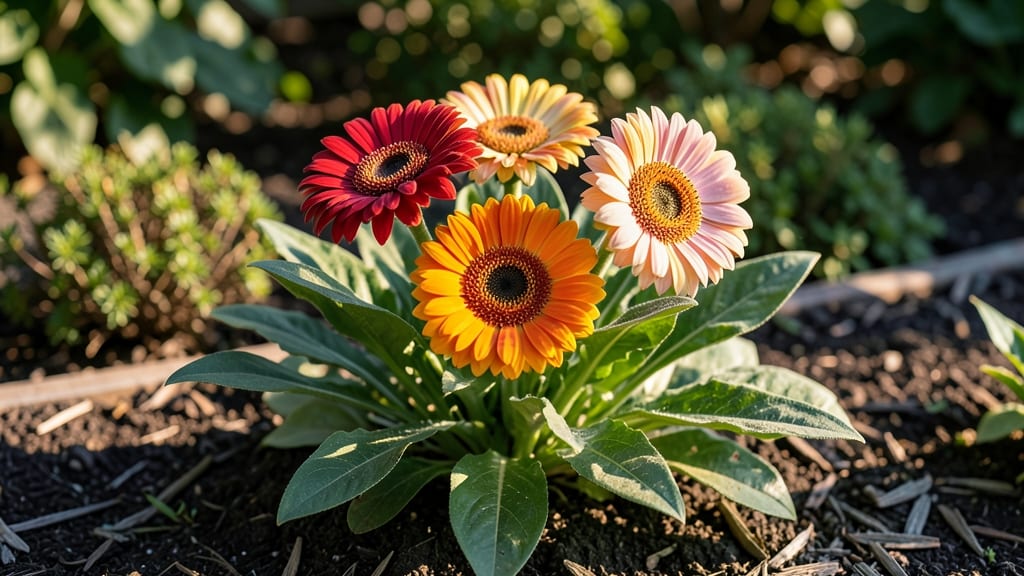
Gerbera daisies turn any garden into a sun-drenched canvas of color that never quits. 🌻 I planted mine along my front walkway last spring, and within weeks, the bed transformed from a patch of dirt into a riot of orange, pink, and yellow blooms that lasted until frost.
The secret isn’t just their vibrant hues—it’s how they attract bees, butterflies, and hummingbirds all season long, making every stroll through the yard feel like a living postcard.
These daisies thrive in full sun and well-drained soil, but they’re surprisingly low-maintenance for their show-stopping presence. Pair them with lavender for a modern look or mix in salvia and coneflowers for a cottage garden vibe.
In containers, they bring instant cheer to patios, while in borders, they create a soft, flowing edge that invites pollinators. The key is deadheading spent blooms—it keeps them producing flowers until the first hard frost.
By summer’s end, you’ll have a garden that feels alive with movement and color, all while supporting local wildlife. The blooms stay fresh longer when you water at the base (not overhead) and mulch to retain moisture.
Trust me, once you see how effortlessly they brighten a space, you’ll want them everywhere—from window boxes to large flower beds.
They’re perfect for pollinator gardens, modern landscapes, or even cutting gardens since their stems hold up beautifully in arrangements. Start with a few pots to test your favorite colors, then expand the next season.
The payoff? A garden that’s as functional as it is beautiful, buzzing with life from dawn till dusk.
📚 In This Guide
- What you need
- Instructions
- Tips and common mistakes
- Wrapping up and next steps
What you need
- ● Gerbera daisy plants: Choose between potted seedlings (3–6 inches tall) or bulbs/seeds (if starting from scratch). Opt for 10–20 plants for a vibrant display.
- ● Well-draining soil: Mix 1 part garden soil with 1 part compost and 1 part perlite/sand (for aeration). pH 6.0–7.0 is ideal.
- ● Sunlight access: Ensure 6+ hours of direct sunlight daily (partial shade in hot climates).
- ● Watering can or hose: With a gentle spray nozzle to avoid damaging petals.
- ● Garden trowel or transplanting spade (for digging holes 12–18 inches apart).
- ● Pruning shears (for trimming dead blooms or overgrowth).
- ○ Mulch (optional): 2–3 inches of pine bark or straw to retain moisture and suppress weeds.
- ○ Fertilizer (optional): Balanced 10-10-10 fertilizer (apply every 4–6 weeks during growing season).
- ● Slow-release granules (mix into soil at planting for 3–4 months of nutrients).
- ○ Support stakes (optional): For tall varieties, use bamboo stakes or tomato cages to prevent flopping.
- ● Hardiness zones: Zones 8–11 (year-round); Zones 7 and below (treat as annuals or overwinter indoors).
- ● Best planting time: Spring (after last frost) or early fall (for cooler climates).
- ● Seeds: Start indoors 8–10 weeks before last frost for transplanting.
- ● Temperature: Ideal 60–75°F for growth; protect from frost (below 32°F damages plants).
Step-by-step instructions for planting gerbera daisies
Here’s how to create a stunning gerbera garden that blooms all season long.
🌱 Step 1: Choose the Perfect Planting Spot
Gerbera daisies thrive in full sun—at least 6-8 hours daily. Pick a location with well-draining soil, as soggy roots will rot quickly. I always test drainage by digging a hole, filling it with water, and waiting to see if it drains within an hour. If not, amend the soil with sand or compost to improve airflow.
These plants love warmth too—aim for a spot where temperatures stay between 60-75°F. If your climate runs cooler, choose a sheltered area where afternoon breezes won’t stress the blooms. Mulch around the base with 2-3 inches of organic mulch to retain moisture and keep roots cool.
🪴 Step 2: Prepare the Soil and Plant with Care
Gerberas prefer loose, fertile soil with a slightly acidic to neutral pH (around 6.0-7.0). Work in 2-3 inches of compost or a balanced 10-10-10 fertilizer into the top 6 inches of soil before planting. Dig holes just deep enough to accommodate the root ball—planting too deep suffocates the roots, while too shallow leaves them exposed.
Space plants 12-18 inches apart to allow airflow and prevent fungal diseases. Gently remove each plant from its container, loosen the roots if they’re circling, and place it in the hole. Backfill with soil, pressing lightly to eliminate air pockets. Water deeply right after planting to settle the soil and encourage root growth.
☀️ Step 3: Water and Feed for Continuous Blooms
Gerberas need consistent moisture but hate soggy soil. Water 1-2 times weekly, giving 1 inch of water per week, and always at the base to avoid wetting the foliage (which invites mildew). I check soil moisture by sticking my finger 1 inch deep—if it feels dry, it’s time to water. Avoid overhead sprinklers, especially in the evening.
Feed every 4-6 weeks with a 5-10-5 fertilizer to promote vibrant blooms. I switch to a low-nitrogen formula (like 3-4-6) once flowers appear to encourage more blooms instead of leafy growth. Deadhead spent blooms regularly—this redirects energy to new flowers and keeps your garden looking fresh.
✂️ Step 4: Prune and Protect for Longevity
Trim back leggy stems in early spring to encourage bushier growth. Cut just above a set of leaves to stimulate new shoots. If your gerberas get too crowded, divide clumps in spring or early fall—dig up the plant, separate the roots, and replant the healthiest sections. This rejuvenates old plants and gives you free extra blooms.
Watch for pests like aphids or slugs—gerberas are a magnet for them. I spray affected leaves with soapy water or use organic slug bait around the base. In cooler climates, mulch heavily in fall to protect roots from freezing. With proper care, your gerberas will reward you with season-long color and a buzzing pollinator party!
Tips & tricks for perfect gerbera daisy planting
Here's what I've learned after years of growing vibrant gerbera gardens—these tricks will help you avoid common pitfalls and get the most stunning blooms.
The Sunlight Secret: That 6-8 hours of full sun is non-negotiable for gerberas, but here's the thing: morning sun is gentler than afternoon heat. If you're in a hot climate, I recommend planting in areas that get morning sun and afternoon shade—this prevents the petals from scorching while still giving them enough light to thrive.
Soil Test Hack: Before amending your soil with the 2-3 inches of compost and 10-10-10 fertilizer, do a simple pH test with a kit from your garden center. Gerberas prefer that 6.0-7.0 range, and if your soil is too acidic or alkaline, you'll need to adjust with lime or sulfur before planting. I've seen gerberas struggle when planted in soil outside this range.
Watering Wisdom: The 1 inch of water per week guideline works best when you water deeply but infrequently. I use a rain gauge to measure, and I always water in the morning so the foliage has all day to dry—this prevents fungal issues. If you're using overhead sprinklers, do it early in the day so water doesn't sit on the leaves overnight.
Fertilizer Timing: That 4-6 week feeding schedule with 5-10-5 fertilizer is perfect, but here's my pro move: I switch to the 3-4-6 formula right when I see buds forming. This extra phosphorus boost gives you more blooms instead of just leafy growth. Just be careful not to overdo it—gerberas are sensitive to too much fertilizer.
Pro Tips for Gerbera Garden Plants
- Here's what I've learned after years of growing vibrant gerbera gardens—these tricks will help you avoid common pitfalls and get the most stunning blooms.
- The Sunlight Secret: That 6-8 hours of full sun is non-negotiable for gerberas, but here's the thing: morning sun is gentler than afternoon heat.
- Soil Test Hack: Before amending your soil with the 2-3 inches of compost and 10-10-10 fertilizer, do a simple pH test with a kit from your garden center.
Frequently asked questions
Got questions about growing gerbera daisies? You’re in the right place!
Here are answers to the most common queries about these cheerful pollinator magnets—from care tips to troubleshooting—so you can keep your garden blooming all season.
How often should I water gerbera daisies?
Gerberas thrive with consistent moisture but hate soggy roots. Water deeply 2-3 times per week (more in extreme heat or sandy soil). Let the top inch of soil dry out between waterings—think "damp, not drenched." Mulch helps retain moisture and keeps roots cool.
When is the best time to plant gerbera daisies?
For spring planting, wait until after the last frost when soil temps reach 50°F (10°C). Fall planting is also great in mild climates—aim for 6-8 weeks before the first frost. Avoid planting in scorching summer heat or freezing winter conditions.
Are gerbera daisies good for attracting pollinators?
Absolutely!
Their bright blooms and nectar-rich flowers are a magnet for bees, butterflies, and hummingbirds. Plant them near herbs (like basil or lavender) or other pollinator favorites to create a buzzing garden ecosystem. Just avoid pesticides during bloom time!
What can I do if my gerbera daisies aren’t blooming?
Lack of blooms often signals over-fertilizing (too much nitrogen) or poor light. Try this fix:
- Switch to a low-nitrogen, high-phosphorus fertilizer (like 5-10-5).
- Ensure they get 6+ hours of full sun daily.
- Deadhead spent blooms to encourage new flowers.
Can gerbera daisies survive winter in cold climates?
Gerberas are tender perennials and won’t survive frost. In cold zones (USDA zones 8-11), dig up tubers in fall, trim foliage, and store them in a cool, dry place (40-50°F/4-10°C) until spring. Replant after the last frost for summer blooms!
Pro Tip:
For longer-lasting color, stagger plantings every 2-3 weeks. This ensures a continuous bloom show from early summer through fall!
Wrapping up and next steps
Gerbera daisies are the perfect pollinator powerhouses—bringing bold color, easy care, and endless joy to your garden! 🌸 With their vibrant blooms and low-maintenance needs, they’re ideal for both beginner and seasoned gardeners.
Whether you’re planting them in sunny beds, containers, or companion pairings, these cheerful flowers will reward you with season-long beauty and a buzzing ecosystem.
Ready to transform your outdoor space? Start by picking your favorite colors, prepping your soil, and planting with confidence. Then, watch as your garden becomes a living canvas of color and life—one gerbera at a time! 🌿
- Next step: Grab your seeds or plants and explore our planting guide to get growing today!