
Pests
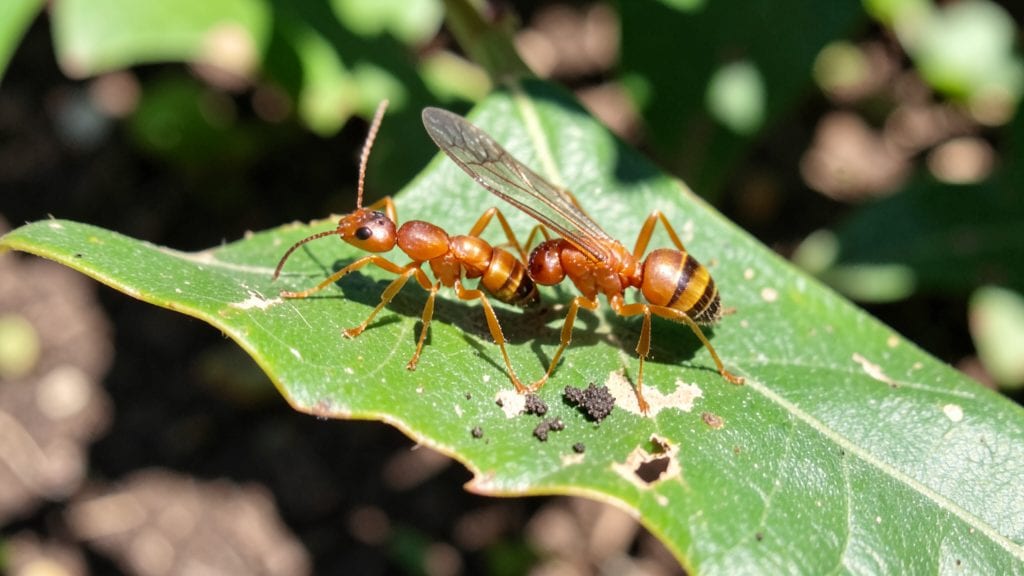
Those tiny orange ants marching through your garden aren’t just annoying—they’re stealing nutrients from your plants and creating messy trails everywhere. 🌿 I’ve battled them for years, and the citrus oil barrier method finally gave me control without harming my garden’s ecosystem.
The secret lies in their natural aversion to citrus scents, which disrupts their pheromone trails and keeps them away for months at a time.
You’ll need just three simple ingredients: citrus oil (like orange or lemon), dish soap, and water. Mix them in a spray bottle, and you’re ready to create a protective barrier around your garden beds, pots, and problem areas.
The process takes less than 30 minutes, and it’s safe for kids and pets once dry—no harsh chemicals required. This method works best in warm, dry climates but still delivers results in cooler regions if applied consistently.
The first application creates an invisible shield that ants avoid, and reapplying every 4-6 weeks keeps them out for the season. Watch as your plants thrive without the constant ant harassment, and enjoy the fresh citrus scent lingering in your garden.
The best part? You’ll see results within days, not weeks. Here’s exactly how to set it up for maximum effectiveness.
This solution also prevents other pests like aphids and whiteflies, which ants often protect. Just avoid spraying directly on flowers if pollinators are active—apply it in the evening when bees are less active.
For larger infestations, combine this barrier with natural ant baits for even better control. Let’s get those ants out of your garden for good!
📚 In This Guide
- What you need
- Instructions
- Tips and common mistakes
- Wrapping up and next steps
What you need
- ● Citrus oil (or essential oils): 1–2 cups of pure, undiluted orange, lemon, or lime oil (100% essential oil, no fillers). Orange oil is ideal since it’s their natural nemesis!
- ○ Carrier oil (optional but recommended): ½ cup of lightweight carrier oil like coconut, olive, or vegetable oil (helps disperse citrus oil evenly).
- ● Spray bottle: A 16–32 oz. plastic or glass spray bottle with a fine mist nozzle (avoid metal if using citrus oils long-term).
- ● Water: 1–2 gallons (for diluting the mixture). Use dechlorinated water if possible (let tap water sit out for 24 hours or use filtered water).
- ● Measuring cups and spoons: For precise mixing (citrus oil is potent—accuracy matters!).
- ○ Gloves (optional): Nitrile or rubber gloves to protect your skin from citrus oils (they can be drying!).
- ● Stirring stick or spoon: Wooden or silicone (avoid metal to prevent reactions).
- ● Label or masking tape: To mark your spray bottle with the date and mixture ratio.
- ○ Fine-mist sprayer attachment (optional): For targeted application around ant trails or nests.
- ○ Safety goggles (optional): If spraying near eyes or in windy conditions.
- ● Notebook & pen: To track reapplication dates and effectiveness.
How to create a natural citrus oil barrier against orange ants
Here’s my go-to method for keeping orange ants away without harsh chemicals.
🌱 Step 1: Gather Your Citrus Oil Barrier Supplies
You’ll need 4 tablespoons of citrus oil (like orange or lemon essential oil), 1 quart of water, and a spray bottle. Citrus oil is the star here—it disrupts ants’ scent trails and repels them naturally. I like to use 100% pure, food-grade oil to avoid synthetic additives that could harm plants.
Mix the oil with water in a 1:1 ratio (4 tablespoons oil to 1 quart water). Shake well before each use—citrus oil separates from water. If you’re working in a sunny spot, use the mixture within 24 hours to prevent oil degradation from light exposure.
💧 Step 2: Apply the Barrier Along Ant Paths
Focus on entry points, trails, and garden edges where ants march. Spray the mixture in a thin, even line about 2 inches wide—this creates a scent barrier ants won’t cross. I aim for every 4-6 inches along their routes to break their path completely.
Reapply every 7-10 days or after rain. The barrier weakens over time, so consistency is key. Avoid spraying directly on plants—citrus oil can burn foliage. Instead, target soil, mulch, and concrete edges where ants travel.
☀️ Step 3: Reinforce with Diatomaceous Earth (Optional)
For stubborn ant colonies, sprinkle food-grade diatomaceous earth along the barrier line. This powdery substance dehydrates ants on contact. Use it sparingly—just a light dusting—since heavy applications can harm beneficial insects like bees.
Combine the two methods for maximum effect: the citrus oil disrupts their scent trails while the diatomaceous earth weakens their numbers. Check for ant activity 3-5 days after application—you’ll notice fewer workers scouting if it’s working.
✂️ Step 4: Maintain and Monitor for Long-Term Success
Keep an eye on ant activity in high-risk areas like compost piles, under rocks, or near citrus trees (orange ants love citrus sap). If you spot new trails, reapply the barrier immediately. I also recommend removing food sources—clean up fallen fruit, spilled sugar, or grease to reduce ant attraction.
This method works best in dry conditions. If it rains, reapply the barrier to restore its effectiveness. Over time, you’ll see ant populations decline as they avoid the treated zones. For severe infestations, repeat the process monthly until ants disappear entirely.
Tips & tricks for effective citrus oil ant barriers
These practical strategies will help you maximize your citrus oil barrier's effectiveness against orange ants while avoiding common pitfalls.
Citrus Oil Selection: Not all citrus oils work equally well—stick with 100% pure, food-grade orange or lemon essential oil for the strongest ant-repelling properties. Avoid "fragrance oils" or diluted versions, which won't disrupt ant scent trails effectively. I've found that orange oil works slightly better than lemon for orange ants specifically, since they're already attracted to citrus.
Mixing Technique: The 1:1 ratio of oil to water is crucial, but here's the secret: use a glass spray bottle instead of plastic. Citrus oil can degrade plastic over time, and the mixture will last longer in glass. Also, shake vigorously for 30 seconds before each use—the oil and water separate quickly. I like to add 5 drops of dish soap to help the mixture cling better to surfaces (this is optional but improves adhesion).
Application Strategy: When creating your 2-inch wide barrier, work in short sections—about 1 foot at a time. This prevents the mixture from drying too quickly in sunny conditions. Focus on ant trails, cracks in concrete, and the base of plants where ants travel. I've found that applying the barrier in the early morning gives it time to dry before ants become active, making it more effective.
Reapplication Reminder: The 7-10 day reapplication window can vary based on weather. After heavy rain, reapply immediately since the barrier gets diluted. In hot, dry climates, you might need to reapply every 5-7 days. I set a reminder on my phone for every 7 days to stay consistent—orange ants will quickly find untreated paths if you're inconsistent.
Pro Tips for Orange Ants In Garden
- These practical strategies will help you maximize your citrus oil barrier's effectiveness against orange ants while avoiding common pitfalls.
- Citrus Oil Selection: Not all citrus oils work equally well—stick with 100% pure, food-grade orange or lemon essential oil for the strongest ant-repelling properties.
- Mixing Technique: The 1:1 ratio of oil to water is crucial, but here's the secret: use a glass spray bottle instead of plastic.
Frequently asked questions
Got questions about dealing with orange ants in your garden? You’re not alone! Here are some of the most common concerns—and practical solutions—to keep your yard ant-free.
What causes orange ants to invade gardens in the first place?
Orange ants (often fire ants) are drawn to gardens by moisture, food sources (like fallen fruit or insects), and disturbed soil. They build mounds near water sources or shaded areas, so overwatering, mulch buildup, or pet food left outside can trigger their interest. Pro tip: Remove food debris and fix leaks to deter them before they nest!
How long does the citrus oil barrier last before needing a refresh?
A properly applied citrus oil barrier (mixed with water and dish soap) can repel ants for 4–8 weeks, depending on weather. Rain or heavy foot traffic may shorten its effectiveness. Reapply every 2–3 months or after rain to maintain the protective layer. Bonus: Spray early morning or evening to avoid evaporation!
Are there natural alternatives to citrus oil if I don’t have it?
Yes! Try these DIY repellents:
- Vinegar spray: 1:1 water-vinegar mix (reapply after rain).
- Diatomaceous earth: Sprinkle food-grade DE around mounds (avoid plants).
- Coffee grounds: Scatter used grounds near entry points (ants hate the smell!).
- Essential oils: Peppermint, tea tree, or eucalyptus oils (dilute with water).
For severe infestations, professional-grade borax baits (used carefully) can help.
What should I do if orange ants keep coming back after treatment?
Persistent ants may mean:
- A hidden nest nearby (check under rocks, logs, or foundations).
- Insufficient coverage (reapply citrus oil in a 1-foot-wide band around the garden).
- Other ant species (like pavement ants) are also present.
Troubleshoot: Monitor for new mounds, adjust spray frequency, or use a two-pronged approach (barrier + bait stations).
Is citrus oil safe for plants, pets, and kids?
When properly diluted (1–2 tbsp oil per gallon of water + dish soap), citrus oil is low-toxicity for most plants, pets, and kids. However:
- Avoid spraying directly on edible plants (harvest before reapplying).
- Keep pets away until dry (some oils irritate sensitive noses).
- Store citrus oil out of reach of children.
Safe swap: Use lemon or orange peels (boiled in water) as a gentle, pet-friendly alternative!
Wrapping up and next steps
Dealing with orange ants in your garden doesn’t have to be a losing battle!
With a simple citrus oil barrier, you can create a long-lasting, natural defense that keeps these pesky invaders away for months—without harsh chemicals. 🌿 The key is consistency, patience, and the right mix of ingredients to make your garden a no-go zone for ants.
Ready to reclaim your garden? Start today by gathering your supplies, setting up your barrier, and monitoring the results. With a little effort, you’ll enjoy a pest-free space where your plants—and your peace of mind—can thrive! 🌟