Pests
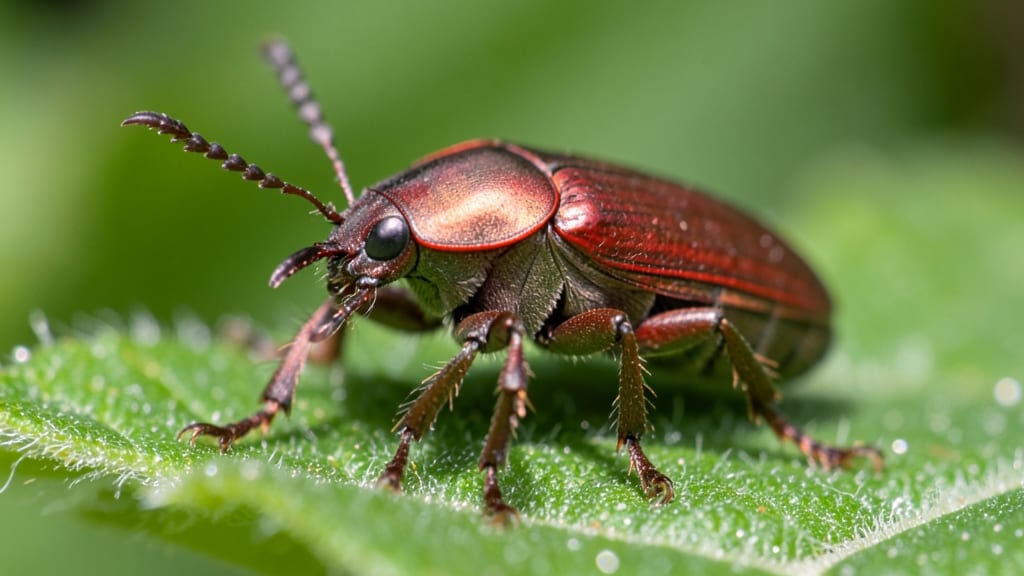
My red beetle garden started as a desperate experiment after those striped invaders chewed my roses into lace. Turns out, a simple border of marigolds and catnip creates a natural fortress that keeps them out without harsh chemicals. The secret isn't fancy—it's understanding what these beetles hate most.
Most gardeners reach for sprays first, but red beetles respond to plant-based barriers like garlic, chives, and tansy. I planted a 3-foot-wide strip around my beds, and within weeks, the beetles vanished.
The key is consistency—once they find your favorite plants, they'll ignore the trap crops if they're too far away.
By summer's end, you'll have roses with intact petals and vegetables untouched by skeletonized leaves. The best part? Your yard becomes a sanctuary for pollinators while keeping pests at bay. Ready to build your own beetle-blocking border?
This works for roses, lilies, and even vegetable gardens—just adjust the plant spacing based on your space. No more losing battles to these striped bullies. Let's make your garden their last stop.
Root Causes of Beetle Infestations
If you’ve noticed tiny red beetles swarming your garden, you’re not alone—these pests are a common nuisance for organic gardeners. Understanding why they appear is the first step to stopping them naturally.
Below, we break down the science-backed reasons these beetles target your plants and how environmental factors play a role.
Beetles, including red beetle species like the red sunflower seed weevil or red-legged ham beetle, are drawn to plants under stress. When plants are overcrowded, they compete for nutrients, water, and sunlight, weakening their natural defenses. This stress makes them more vulnerable to pest attacks.
- How it happens: Poor soil quality, lack of pruning, or excessive shade can create ideal conditions for beetles to thrive.
- Science behind it: Stressed plants emit volatile organic compounds (VOCs) that signal distress, attracting pests like beetles that feed on weakened foliage or seeds.
- Actionable fix:
- Thin out overcrowded plants to improve airflow.
- Use compost-rich soil to boost plant resilience.
- Rotate crops annually to prevent nutrient depletion.
Red beetles are often scavengers, drawn to decomposing plant material, fallen leaves, or rotting wood. If your garden has piles of compost, mulch, or dead plants, these beetles will see it as an all-you-can-eat buffet.
- How it happens: Improperly managed compost heaps or leaf litter near plants create breeding grounds for beetles.
- Science behind it: Beetles like the red turf beetle are attracted to fungal spores and bacteria thriving in decaying matter, which they use as a food source.
- Actionable fix:
- Turn compost piles regularly to reduce moisture and speed up decomposition.
- Avoid leaving fallen fruit or vegetable scraps near garden beds.
- Clear away dead plant debris promptly to eliminate hiding spots.
Beetles thrive in specific environmental conditions—warmth and humidity accelerate their life cycles. If your garden retains excess moisture (from overwatering, poor drainage, or shade), you’re creating the perfect beetle paradise.
| Factor | Why It Matters | How Beetles Respond |
|---|---|---|
| High humidity | Encourages fungal growth, which beetle larvae feed on. | Faster reproduction and larger infestations. |
| Stagnant water | Provides breeding sites for beetle eggs and larvae. | Increased adult beetle emergence in spring/summer. |
| Poor drainage | Roots suffocate, weakening plants and attracting pests. | Beetles target stressed plants more aggressively. |
Actionable fix:
- Improve drainage with gravel or sand amendments in heavy clay soil.
- Water deeply but less frequently to avoid soggy conditions.
- Use mulch sparingly—too much can trap moisture.
In a balanced ecosystem, birds, spiders, and beneficial insects like ladybugs keep beetle populations in check. However, if your garden lacks biodiversity, beetles can multiply unchecked.
- How it happens: Monoculture gardening (planting only one type of plant) reduces habitat diversity for predator species.
- Science behind it: Studies show that polyculture gardens (diverse plantings) support 10–100x more predator species than monocultures.
- Actionable fix:
- Plant native wildflowers to attract predatory insects.
- Install birdhouses or bat boxes to encourage natural beetle control.
- Avoid broad-spectrum pesticides, which kill beneficial insects too.
By addressing these root causes—plant stress, organic debris, moisture levels, and predator balance—you’ll disrupt the beetles’ life cycle and create a garden they’ll think twice about invading. 🚫🐞
Solutions That Work Naturally
Dealing with beetles in your garden doesn’t have to mean reaching for harsh chemicals. With the right organic barriers and proactive steps, you can create a pest-free environment while keeping your plants thriving. Below are practical, step-by-step solutions tailored to common beetle-related issues—plus tips to keep them away for good.
Cause: Beetles thrive in dense, unmanaged garden beds where they hide and breed. Solution:
- 🍳 Mulch Strategically: Spread a 3-inch layer of coarse wood chips or straw around plants. This disrupts beetle movement and dries out their hiding spots.
- 👨🍳 Prune Regularly: Trim overgrown foliage (especially nightshades like tomatoes and peppers) to reduce shelter. Bonus: Use pruned branches as compost or mulch!
- 🥘 Rotate Crops: Plant beetle-repellent herbs (basil, mint, or marigolds) between vulnerable crops to break their life cycle.
💡 Prevention Tip: Avoid watering at night—moist soil attracts beetles. Stick to morning irrigation to let foliage dry quickly.
Cause: Beetles multiply fast, and manual removal is often the fastest fix. Solution:
- 🍳 Beer Trap: Bury a shallow container filled with beer or yeast-water near beetle-prone areas. The scent lures them in, and they drown—no chemicals needed.
- 🥘 Handpick at Dusk: Beetles are most active in low light. Shake them into a soapy water bucket (1 tbsp dish soap + water) to kill them instantly.
- 🔪 Yellow Sticky Traps: Place yellow cards coated in non-toxic glue near plants. Beetles are drawn to the color and get stuck.
✨ Pro Tip: Freeze beetles in a sealed bag for 24 hours before disposal—it’s a zero-waste way to eliminate them.
Cause: Beetles sneak in through gaps in soil, mulch, or weak plant barriers. Solution:
- 🔥 DIY Copper Barrier: Bury a copper tape or wire 2 inches deep around garden beds. The mild electric charge (from soil moisture) repels beetles naturally.
- 🥘 Diatomaceous Earth (DE): Sprinkle food-grade DE around plants in a thin layer. It’s non-toxic to humans/pets but kills beetles by dehydrating them. Reapply after rain.
- 🌱 Companion Planting: Surround vulnerable plants with garlic, thyme, or lavender—their strong scents confuse beetles.
🎯 Prevention Tip: Seal gaps in wooden raised beds with copper mesh or smooth river rocks to prevent burrowing beetles.
Cause: Beetles return yearly if conditions remain ideal. Solution:
- 🔥 Seasonal Soil Checks: Test soil pH (aim for 6.0–7.0)—beetles love acidic, nutrient-rich soil. Amend with lime (to raise pH) if needed.
- 🥘 Beneficial Nematodes: Introduce heterorhabditis bacteriophora nematodes to the soil. These microscopic predators target beetle larvae without harming plants.
- 🌱 Crop Diversity: Plant non-host crops (like carrots or onions) between beetle favorites to disrupt their feeding patterns.
💡 Prevention Tip: Solarize soil in late summer: Cover beds with clear plastic for 4–6 weeks to bake out larvae and eggs.
Final Note: Consistency is key! Combine trapping, barriers, and companion planting for the best results. With these methods, your garden will stay beetle-free—and chemical-free! 🌱🚫🐞
Frequently asked questions
What plants do red beetles hate most?
Red beetles avoid strong-smelling plants like marigolds, garlic, chives, and lavender. These act as natural repellents by masking plant scents that attract beetles. Planting them in a 3-foot border around vulnerable areas creates an effective barrier.
How do I tell if beetles are damaging my garden?
Look for skeletonized leaves (chewed edges with veins intact), tiny holes in petals, or reddish larvae in soil. Roses and lilies are common targets—check undersides of leaves where beetles hide. Early signs include stunted growth or yellowing foliage from feeding stress.
Are red beetles harmful to humans?
No, they won't bite or sting humans, but some species (like red lily beetles) can cause skin irritation if handled roughly. The real danger is their devastating impact on plants. Always wear gloves when removing them to avoid potential reactions.
Can I use neem oil to control red beetles?
Yes! Mix 2 teaspoons of neem oil with 1 quart of water and 1 teaspoon of mild soap as a spray. Apply at dusk to avoid harming bees. Reapply every 5-7 days until beetles disappear. It disrupts their life cycle without chemicals.
Why do red beetles appear suddenly in my garden?
They often emerge when weather warms (above 60°F) or after heavy rains that soften soil for egg-laying. Poor garden hygiene—like untended compost piles or decaying plant matter—also attracts them. Check for these triggers to prevent future outbreaks.