Pests and Diseases
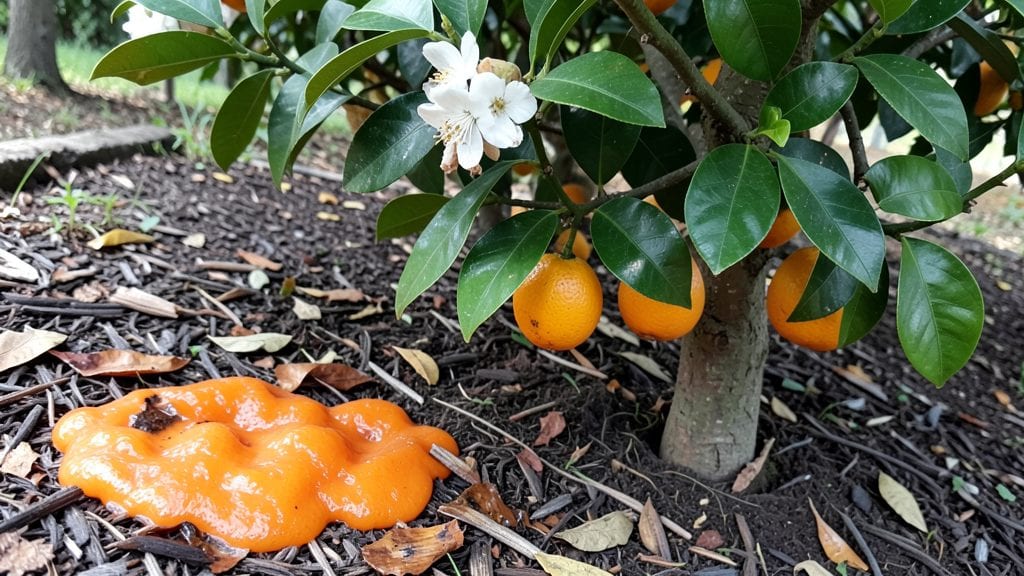
Seeing that bright orange slime mold creeping across your garden paths feels like a biological invasion—it’s not a fungus, not a pest, and definitely not something you can just hose away. 🌿 I’ve wrestled with it in my own yard, and the good news is that while it looks alarming, it’s actually harmless to plants (and you).
The challenge? Stopping it from turning your garden into an orange carpet.
The mold thrives when organic matter piles up in damp, shaded spots—think mulch, leaf litter, or even old wood chips. It spreads by releasing spores that ride the wind, so one patch can quickly become many if you don’t act.
The key is removing it before it gets a chance to spore out, and I’ll show you how to do it without harsh chemicals that could harm your soil.
You’ll learn to identify it (yes, there are lookalikes), pull it up before it spreads, and keep your garden conditions unfriendly to its growth. By the end, you’ll have a plan to kick it out for good—no more waking up to find your garden looking like a Halloween decoration.
Let’s get it under control.
This works for any garden, whether you’re dealing with a small container garden or a sprawling backyard. The secret lies in timing, technique, and a little prevention—no fancy tools required. Here’s how to reclaim your space.
Root Causes of Orange Slime
That eerie, neon-orange slime creeping across your garden isn’t just a weird visual—it’s a fungal response to specific conditions. Understanding why it appears helps you prevent it before it becomes a full-blown infestation. Here’s the science behind its sudden arrival:
The orange slime mold (Fuligo septica) thrives in damp, shaded environments. Here’s how moisture triggers its growth:
- Overwatering or poor drainage: Gardens with compacted soil or heavy clay retain excess water, creating the perfect breeding ground. Slime mold spores germinate when soil stays soggy for days, often after heavy rain or overzealous irrigation.
- High humidity: Slime mold spreads via sporangia (tiny spore sacs) that float in humid air. If your garden has low airflow—think dense mulch, thick ground cover, or shaded areas—spores linger and germinate.
- Decaying organic matter: Rotten leaves, wood chips, or compost piles trap moisture and nutrients, signaling slime mold to "eat" (technically, it’s a decomposer, not a parasite).
💡 Pro Tip: Test your soil’s moisture by squeezing a handful—if water beads up or drips, you’re overdoing it. Aim for soil that’s evenly moist, not waterlogged.
Slime mold doesn’t just appear out of nowhere—it’s drawn to gardens with a buffet of decaying plant material. Here’s the connection:
| Debris Type | Why It Attracts Slime Mold |
|---|---|
| Leaf litter | Thick layers trap moisture and provide a food source (cellulose in dead leaves). |
| Mulch (especially wood chips) | Breaks down slowly, creating a damp, shaded microclimate ideal for spore germination. |
| Fallen fruits/veggies | Sugars and starches in rotting produce accelerate fungal growth. |
| Grass clippings | Nitrogen-rich clippings promote microbial activity, which slime mold exploits. |
✨ Key Insight: Slime mold is a secondary decomposer. It doesn’t kill plants but feeds on the byproducts of other decay. Think of it like a fungal opportunist!
Sunlight isn’t just for photosynthesis—it’s a natural deterrent for slime mold. Here’s how shade plays a role:
- Reduced evaporation: Shady spots dry out slower, keeping soil and debris moist longer. Slime mold spores need consistent humidity to activate.
- Lower temperatures: Cooler, shaded areas (like under trees or benches) mimic the slime mold’s natural habitat in forests. It’s adapted to thrive where sunlight is limited.
- Competition suppression: Direct sunlight encourages beneficial microbes and fungi that outcompete slime mold for resources.
🎯 Actionable Fix: If your garden has persistent slime mold in shady spots, improve airflow with raised beds or drip irrigation (which keeps soil moist without creating puddles).
Next up: How to Stop It—because once you know why it’s there, you can outsmart it!
Quick Fixes for Orange Slime Mold
Orange slime mold may look like a weird science experiment gone wrong, but don’t panic—it’s usually harmless to plants (though unsightly!). The key to solving this gummy mystery lies in understanding why it’s showing up and how to tackle it without harsh chemicals.
Below, we break down the most common causes and their practical, garden-friendly solutions, plus tips to keep it from crashing your next harvest party.
Slime mold thrives on moisture and rotting leaves, mulch, or wood chips—basically, a buffet of decomposing plant debris.
🍳 Fix It: Clean Up & Dry Out
- 👨🍳 Remove the source: Scoop up damp mulch, fallen leaves, or rotting plant material where the slime mold is growing. Use a small shovel or rake—no need to sterilize tools, just dispose of the debris in the trash (not compost).
- 🥘 Improve drainage: If your garden beds hold too much moisture, amend the soil with compost or coarse sand to help water drain faster. Slime mold hates soggy conditions.
- ⏰ Wait it out: If you can’t remove the source immediately, the slime mold will dry up and disappear on its own in a few days (it’s not a permanent pest).
💡 Pro Tip: Spread a thin layer of gravel or bark mulch (not wood chips) around affected areas to reduce moisture retention.
Slime mold loves humidity and low light—think dense foliage, under trees, or shaded corners where air doesn’t circulate.
🔪 Fix It: Boost Airflow & Sunlight
- 🌿 Thin out plants: Prune back overgrown branches or weeds to let sunlight and air reach the soil. Even a few inches of extra light can make a difference.
- ✨ Use a fan (yes, really!): If you’re dealing with a greenhouse or indoor pots, a small oscillating fan on low can reduce humidity. Aim it near the affected area for 10–15 minutes a day.
- 🎯 Water in the morning: Wet leaves at night = slime mold’s dream. Switch to early-morning watering so foliage dries quickly.
💡 Pro Tip: If slime mold keeps returning to the same spot, consider relocating heavy mulch or adding a raised bed to improve airflow.
Slime mold isn’t a fungus (despite its name), but it loves waterlogged soil—especially if your garden is clay-heavy or poorly drained.
🥗 Fix It: Adjust Your Watering Habits
- 📊 Check soil moisture: Stick your finger 1–2 inches deep—if it’s damp, hold off on watering. Slime mold needs constant moisture to stick around.
- 💪 Improve soil structure: Mix in perlite, vermiculite, or coconut coir to loosen compacted soil. This helps water drain and reduces slime mold’s favorite conditions.
- 🍎 Use drip irrigation: Overhead watering spreads moisture everywhere. Drip lines deliver water directly to roots, keeping leaves dry.
💡 Pro Tip: If your garden is prone to standing water, install French drains or swales to redirect excess moisture away from plant beds.
Once you’ve banished the orange goo, stop it from coming back with these easy habits:
- 🌡️ Mulch wisely: Use straw, pine needles, or shredded leaves (not fresh wood chips) for mulch—they break down slower and hold less moisture.
- 🔥 Rotate crops: If slime mold keeps appearing in the same spot, avoid planting heavy feeders (like tomatoes or peppers) there next season.
- 🍳 Clean up fallen fruit/leaves: Don’t let organic debris pile up—slime mold will move in faster than a squirrel in a bird feeder.
- 🎯 Monitor humidity: Use a hygrometer (cheap and easy to find) to keep indoor/greenhouse humidity below 60% when possible.
Final Thought: Orange slime mold is more of a nuisance than a threat, and with these fixes, you’ll send it packing in no time. The best defense? Dry soil, good airflow, and regular cleanup—simple habits that keep your garden looking (and smelling) fresh!
Frequently asked questions
Is orange slime mold harmful to my plants or garden?
No, it’s completely harmless to plants! This slime mold is a decomposer that feeds on decaying organic matter, not living plants. While it looks alarming, it won’t damage your garden—it’s more of an aesthetic nuisance than a threat. The real concern is how quickly it spreads if left unchecked.
Why does it always come back after I remove it?
Slime mold spores are everywhere in your garden, and they’ll return if conditions stay favorable—like damp, shaded areas with organic debris. The key is addressing the root cause: improve drainage, reduce mulch thickness, or increase airflow. Without these changes, you’ll keep playing a never-ending game of whack-a-mole.
Can I use vinegar or bleach to kill it?
Bleach is too harsh for garden soil and can harm beneficial microbes, while vinegar may help temporarily but won’t solve the moisture issue causing it. The best approach is physical removal (scooping it up) and fixing drainage—this tackles the problem at its source without chemicals.
How can I tell if it’s slime mold vs. another fungus?
Slime mold has a bright orange, jelly-like appearance that moves when disturbed (it’s not static like fungus). It also lacks the fuzzy texture of mold and doesn’t grow on living plants—just decaying matter. If it’s bright orange, slimy, and appears after rain, it’s likely slime mold.
Will it spread to my houseplants or indoor garden?
Yes, if your indoor space has high humidity (like greenhouses or bathrooms), slime mold can appear on potting soil or decaying leaves. To prevent it, reduce humidity below 60% with a dehumidifier or fan, and avoid overwatering. Keep surfaces clean and dry—it won’t spread without moisture.