
Tools
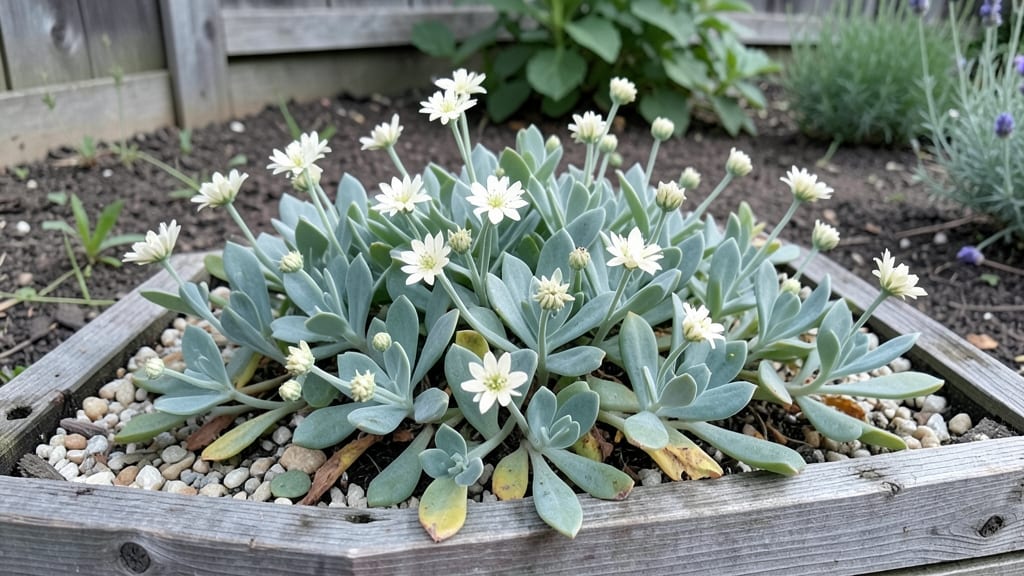
Creating a NYC roof garden turns concrete into a thriving escape—something I never thought possible until I transformed my own tiny rooftop into a lush urban oasis.
The city’s heat and wind make gardening tough, but the right plants and setup can turn even a 100-square-foot space into a green retreat with year-round greenery.
I’ll show you how to start small, choose lightweight containers, and pick plants that survive NYC’s extremes while adding color and life to your view.
The key is working with the space you have, not against it. Lightweight containers keep weight down, drought-resistant succulents and herbs like rosemary or thyme handle the heat, and modular planters let you rearrange as the seasons change.
My setup uses a mix of 5-gallon pots and vertical planters to maximize every inch, and I’ve learned which plants actually thrive up here—no more wilting petunias or blown-over annuals. You’ll need sturdy planters, good drainage, and a watering system that won’t get knocked over by wind gusts.
By summer, you’ll have a rooftop that’s cooler, greener, and full of life—imagine sipping iced tea among fragrant herbs or watching bees pollinate your tiny tomato plants. The best part?
NYC offers green roof incentives and permits for residential rooftop gardens, so you might even get tax breaks for your efforts.
I’ll walk you through the setup step by step, from soil prep to plant placement, so you can create your own slice of nature without breaking the bank or the rules.
This works for any NYC rooftop, whether you’ve got a full deck or just a balcony. The same principles apply to fire escapes and window boxes too—it’s all about smart plant choices and keeping things lightweight. Let’s get growing!
📚 In This Guide
- What you need
- Instructions
- Tips and common mistakes
- Wrapping up and next steps
What you need
- ● Waterproofing membrane: 100 sq. ft. (minimum) of EPDM rubber or modified bitumen (check local NYC building codes for thickness specs).
- ● Drainage layer: 2–3 inches of gravel (¾"–1") or crushed stone (spread evenly across the rooftop).
- ● Growing medium: 6–12 inches of lightweight expanded shale or engineered soil mix (avoid regular garden soil—it’s too heavy!).
- ● Container planters or raised beds: 2–4 galvanized steel or composite planters (12"–18" deep, with drainage holes). Pro tip: 💡 Opt for self-watering containers if you travel often!
- ○ Roof decking (optional but recommended):strong> 10–20 composite or treated wood planks (2x6 or 2x8, pressure-treated for outdoor use).
- ● 4–6 galvanized deck screws (2.5"–3" long).
- ● Plants: Start with drought-resistant NYC-friendly species like: Sedum (succulents)
- ● Lavender
- ● Ornamental grasses
- ● Herbs (thyme, rosemary—they thrive in containers!)
- ● Safety gear: Gloves, knee pads, and non-slip roof shoes (NYC roofs = slippery!).
- ● Measuring & cutting: Tape measure, circular saw (for decking), and utility knife (for waterproofing).
- ● Assembly: Drill/driver, level, and staple gun (for securing membranes).
- ● Extras: Wheelbarrow (for hauling materials), hose with adjustable nozzle, and pruners.
- ● Building approval: Check with your co-op/building manager—some NYC buildings require DOB permits for structural changes (even lightweight gardens!).
- ● Weight limits: Ensure your roof can support 20–30 lbs/sq. ft. (consult an engineer if unsure).
- ● Access: Confirm you have safe access to the roof (fire escapes or stairwells may need reinforcement).
- ● Weather prep: Start in spring or early fall to avoid extreme heat/cold during installation.
Instructions for designing a thriving NYC roof garden
Creating a lush urban oasis on a rooftop requires smart planning and the right approach. Here’s how to build a year-round green space that thrives in the city’s unique climate.
Assess Your Roof’s Structure and Weight Capacity
Before buying a single plant, check your roof’s load-bearing capacity. Most NYC roofs support 20-50 pounds per square foot for lightweight gardens, but always verify with your building’s structural engineer. I’ve seen rooftops collapse under heavy planters—don’t become another cautionary tale. Measure your space and sketch a rough layout, noting sun exposure patterns throughout the day.
If your roof isn’t structurally sound, opt for lightweight containers or modular trays filled with soil and plants. These distribute weight evenly and reduce stress on the structure. For larger gardens, consider raised beds with 12-inch-high sides to contain soil and prevent erosion from wind or rain.
Choose Plants That Thrive in Urban Conditions
NYC’s microclimates demand resilient plants that handle heat islands, wind, and seasonal extremes. Start with drought-tolerant perennials like sedum, lavender, and ornamental grasses—they bounce back after summer heatwaves. For edible options, try container-friendly herbs (basil, thyme, rosemary) and shallow-rooted veggies (lettuce, radishes, green onions) in 6-inch-deep pots.
Layer plants by height: tall grasses and shrubs (like dwarf boxwood) at the back, medium-height perennials (salvia, coneflowers) in the middle, and spiller plants (petunias, creeping thyme) along edges. This creates visual depth and protects smaller plants from wind. Avoid heavy mulch—stick to 1-2 inches of shredded bark to retain moisture without weighing down the soil.
Set Up Irrigation for Low-Maintenance Watering
NYC’s unpredictable weather means manual watering won’t cut it. Install a drip irrigation system with 1/4-inch tubing and emitters spaced 12-18 inches apart. Run lines along the edges of planters or beneath mulch to deliver water directly to roots. For small containers, use self-watering globes—they’re a game-changer for busy rooftops.
Water deeply 2-3 times per week in summer, adjusting for rain. You’ll know your system is working when soil stays evenly moist but not soggy—stick your finger 1 inch deep to check. Group plants with similar water needs together to simplify care. If your roof lacks plumbing access, use 5-gallon watering jugs with spigots for portability.
Protect Plants from Wind and Extreme Temperatures
Wind is the silent killer of rooftop gardens. Install windbreaks like bamboo screens or lattice panels on the prevailing wind side (usually west in NYC). For containers, place them near walls or use weighted bases to prevent tipping. In winter, wrap tender plants in frost cloth or move potted plants to sheltered corners.
Monitor temperature swings—rooftops heat up 10-15°F hotter than street level. Use light-colored containers to reflect heat and mulch heavily in summer. For extreme cold snaps, add 2-3 inches of straw mulch around base plants. If your garden faces frequent freezing, opt for cold-hardy varieties like winter jasmine or hellebores that stay green year-round.
Maintain Soil Health and Prevent Erosion
Rooftop soil drains faster and loses nutrients quicker than ground-level gardens. Amend your potting mix with compost and perlite (50/50 ratio) to improve drainage and aeration. Top-dress annually with 1-2 inches of compost to replenish organic matter. Test soil pH every 2-3 years—most urban plants prefer 6.0-7.0.
To prevent erosion, slope planters slightly (2-3 degrees) toward the center and line edges with landscape fabric. For large gardens, install edging stones to contain soil. Watch for algae or moss growth—these signal overwatering or poor drainage. Adjust your irrigation accordingly, and your garden will stay lush without turning into a swamp.
Tips & tricks for perfect NYC roof garden design
Transforming your rooftop into a thriving garden takes more than just planting—it’s about smart strategies that account for NYC’s unique challenges. Here are the key insights that’ll help your urban oasis flourish year-round.
Weight Distribution Wisdom: When using containers or raised beds, spread the weight evenly across your roof’s structure. Place heavier elements like water jugs or large pots near the center of your garden layout, not concentrated in one corner. I’ve seen rooftops develop stress cracks when weight isn’t properly distributed—think of it like balancing a tray of drinks. For larger gardens, consider using multiple smaller containers instead of one massive planter to reduce strain on any single spot.
Plant Layering Pro Tip: The height layering in Step 2 isn’t just about looks—it’s a wind protection strategy. Place your tallest plants like dwarf boxwood on the windward side (usually west in NYC) to create natural windbreaks for more delicate plants behind them. This simple arrangement can reduce wind damage by up to 40% while creating that beautiful tiered effect. I’ve noticed my creeping thyme thrives much better when tucked behind taller plants during windy afternoons.
Irrigation System Secrets: When installing your drip irrigation, bury the tubing just beneath the soil surface rather than leaving it exposed. This prevents freezing in winter and protects the lines from UV damage in summer. For containers, I recommend using self-watering globes with a capacity of at least 1 gallon—they’re especially helpful when you’re away for weekends. Remember, those 12-18 inch emitter spacings work best when plants are grouped by water needs, so cluster your drought-tolerant perennials together and your thirstier herbs separately.
Temperature Management: The 10-15°F temperature difference between rooftops and street level means you’ll need to adjust your plant selection and care routine. Light-colored containers can make a noticeable difference in summer—opt for white or light gray pots that reflect heat rather than absorb it. In winter, I’ve found that adding an extra layer of frost cloth during extreme cold snaps (below 20°F) can protect tender plants without creating a greenhouse effect that traps too much moisture.
Pro Tips for Nyc Roof Garden
- Transforming your rooftop into a thriving garden takes more than just planting—it’s about smart strategies that account for NYC’s unique challenges.
- Weight Distribution Wisdom: When using containers or raised beds, spread the weight evenly across your roof’s structure.
- Plant Layering Pro Tip: The height layering in Step 2 isn’t just about looks—it’s a wind protection strategy.
Frequently asked questions
Got questions about transforming your NYC roof into a lush garden? Here are some of the most common inquiries—and their straightforward answers!
What’s the best time of year to start a NYC roof garden?
Spring (March–May) is ideal for planting perennials and vegetables, while fall (September–October) works well for cool-season crops. Summer is great for container plants, but ensure your space has shade solutions if temps exceed 85°F. Winter? Focus on planning and hardy evergreens like boxwoods or sedums!
How much does it cost to build a roof garden in NYC?
Costs vary widely: a basic 10’x10’ garden with soil, plants, and lightweight containers starts at $500–$1,500. Adding irrigation, decking, or professional design can push costs to $5,000+. Check NYC’s building codes—some projects may require permits (fees: ~$200–$500). DIYers save big!
Do I need permits for a NYC roof garden?
Permits depend on size and structural changes. Gardens under 100 sq. ft. with minimal weight (e.g., containers) usually don’t need approval. For larger projects or waterproofing modifications, file a DOB permit (avg. 4–8 weeks processing). Always confirm with your building’s management company first!
How do I protect my roof garden from NYC’s harsh weather?
Use windbreaks (trellises, lattice) for gusty days, drip irrigation to avoid waterlogging, and mulch to retain moisture. For extreme heat, opt for drought-tolerant plants (lavender, succulents). In winter, wrap tender plants in burlap or use frost blankets. A retractable awning can shield from rain/sun!
Can I grow food on a NYC roof garden?
NYC’s GreenThumb program even offers free workshops for urban farmers. Try container-friendly crops like herbs, lettuce, tomatoes, or strawberries. Just ensure your roof supports the weight (soil + plants = ~20–30 lbs/sq. ft.). Check sunlight: south-facing roofs get the most yield!
What’s the biggest mistake beginners make with roof gardens?
Underestimating weight limits or water drainage. Always test your roof’s load-bearing capacity (consult an engineer if unsure) and install French drains or sloped beds to prevent water damage. Skipping these can lead to costly repairs—or worse, a collapsed roof! Start small and observe how your garden interacts with the structure.
Wrapping up and next steps
Transforming NYC’s concrete jungle into a thriving roof garden isn’t just about aesthetics—it’s a sustainable, refreshing escape that brings nature to your doorstep. Whether you’re a green-thumb enthusiast or a city dweller craving serenity, these urban oases prove that year-round greenery is entirely possible with the right planning and care.
Start small, dream big, and let your rooftop become the city’s best-kept secret! 🌿
Ready to take the next step? Research local regulations, sketch a design, and gather your tools—your NYC roof garden adventure begins now! 🌱✨