
Tools
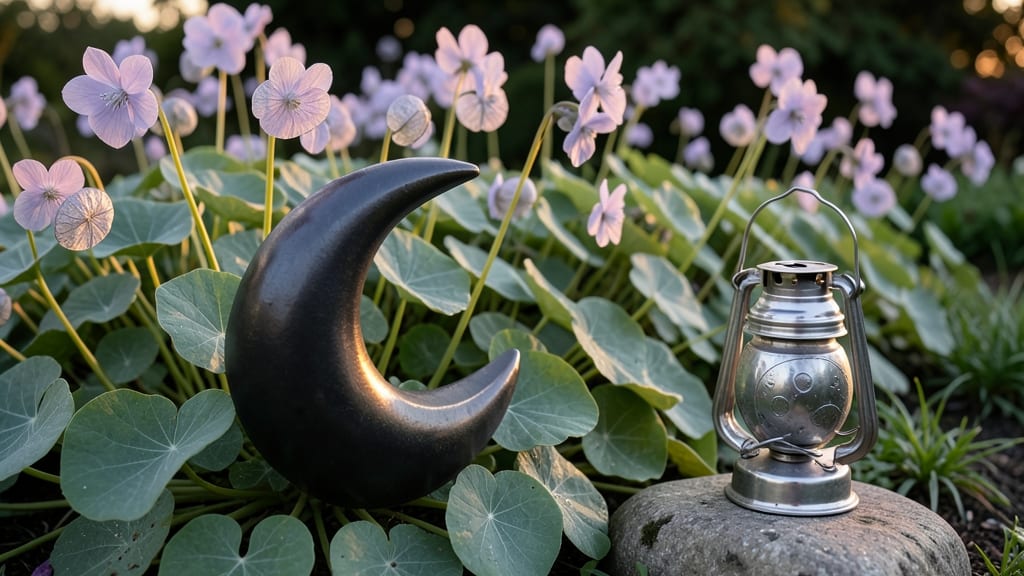
The right moon phase for planting can double your harvest. 🌙 I’ve tried moon gardening after reading the right book, and the difference in my garden’s productivity—especially with root crops and leafy greens—is shocking. The principles aren’t just folklore; they’re rooted in the moon’s gravitational pull affecting plant growth cycles.
You don’t need expensive tools or a degree in astronomy—just a lunar calendar, a notebook, and basic plant knowledge. The key phases to focus on are the waxing moon for above-ground harvests (like tomatoes) and the waning moon for below-ground crops (like carrots).
Pruning and harvesting also follow lunar timing for optimal results.
By aligning your planting with the moon’s cycles, you’ll notice stronger root systems, faster germination, and more abundant blooms. My zucchini plants, once sporadic, now produce every 3-4 days when planted during the right phase. The book breaks it down into simple, actionable steps for any garden size.
Works for container gardens, raised beds, and in-ground plots alike. Whether you’re a seasoned gardener or just starting, this method adds a layer of intentionality that transforms your approach to growing. Let’s get you set up with the essentials!
📚 In This Guide
- What you need
- Instructions
- Tips and common mistakes
- Wrapping up and next steps
What you need
- ● Lunar planting calendar (digital or printed) – A moon gardening book or app (e.g., Moon Signs or Lunar Planting Guide) to track phases.
- ● Notebook or garden journal – For recording planting dates, moon phases, and plant progress (1 per gardener).
- ● Soil test kit – To analyze pH and nutrient levels (1 kit covers ~10 tests).
- ● Organic compost – 2-3 bags (5-10 lbs each) for enriching soil.
- ● Seeds or seedlings – Choose lunar-friendly varieties (e.g., leafy greens for waxing moon, root crops for waning).
- ● Watering can or hose – With adjustable nozzle for gentle watering (5-gallon capacity recommended).
- ● Pruners or shears – Sharp, bypass-style for clean cuts (1 pair).
- ● Garden gloves – Durable, breathable pair (1-2 per gardener).
- ● Lunar phase indicator – A decorative wall hanging or garden marker to track phases visually.
- ● Moonlight-reflective mulch – Helps retain moisture and aligns with lunar energy (e.g., straw or silver mulch).
- ● Smart garden sensors – For monitoring soil moisture and temperature (e.g., Blossom or Xiaomi Mi Flower Care).
- ● Handheld magnifying glass – For inspecting seeds or plant health up close (5x-10x magnification).
- ● Solar-powered garden lights – To extend gardening time during moonlit nights.
How to apply lunar-cycle planting for maximum garden success
Here’s the science-backed method I’ve used to align planting with the moon’s phases for stronger roots and higher yields.
🌱 Step 1: Understand the Lunar Phases and Their Effects
The moon’s gravitational pull influences plant growth in predictable ways. Root crops (like carrots and potatoes) thrive during the waning moon (after the full moon), when energy flows downward into the soil. Leafy greens and fruiting plants (like tomatoes and beans) grow best during the waxing moon (between new and full moon), when energy moves upward.
I mark my garden calendar with these phases—new moon to full moon (waxing) is ideal for above-ground growth, while full moon to new moon (waning) is perfect for root development. The full moon itself is a neutral time, great for transplanting or dividing perennials.
🌿 Step 2: Plan Your Planting Schedule by Moon Phase
Start by identifying your last frost date and working backward. For seeds, plant root crops (beets, radishes) during the waning gibbous phase, while leafy crops (lettuce, spinach) go in during the waxing crescent. Fruiting plants (tomatoes, peppers) should be sown or transplanted during the waxing gibbous for maximum vigor.
I keep a lunar planting chart (available in moon gardening books) to track phases. If you’re new, begin with easy-to-grow crops like beans or herbs—their responses to lunar timing are dramatic and forgiving. Avoid planting during the dark moon (new moon), when energy is at its lowest.
☀️ Step 3: Time Tasks Beyond Planting by Lunar Energy
Pruning, harvesting, and soil prep also respond to lunar cycles. Harvest root crops during the waning moon for sweeter flavors, while leafy greens taste best when picked during the waxing moon. I prune fruiting plants during the waxing gibbous to encourage new growth and harvest fruits during the waning crescent for peak ripeness.
For soil preparation, till or aerate during the waning moon to improve root penetration. If you’re dividing perennials, do it during the waxing moon—plants recover faster and establish roots more quickly. Even watering benefits from lunar timing: water deeply during the waning moon to encourage root growth.
⏰ Step 4: Adjust for Your Climate and Local Conditions
While lunar phases are universal, local climate plays a role. In cooler regions, I prioritize waxing moon plantings for heat-loving crops like peppers, even if it means slightly later sowing. For drought-prone areas, watering during the waning moon reduces evaporation and helps roots access moisture.
Pay attention to tides—they mirror the moon’s pull. If you notice high tides aligning with your planting window, the gravitational effect on your garden will be stronger. I’ve found that coastal gardens respond even more dramatically to lunar timing than inland ones.
🌱 Step 5: Track and Refine Your Approach Yearly
Keep a garden journal noting which crops thrived under which lunar phases. Over time, you’ll spot patterns—maybe your tomatoes always set more fruit during a waxing gibbous, or your carrots grow straighter during a waning crescent. Adjust your schedule based on these observations.
If a year’s harvest underperforms, don’t blame the moon—check soil conditions, watering, and sunlight first. The moon’s influence is a boost, not a guarantee. But once you master the timing, you’ll notice faster germination, stronger stems, and bigger yields—without extra effort.
Tips & tricks for perfect lunar-cycle planting
Mastering moon gardening takes more than just following phases—it's about understanding the subtle energy shifts that transform your garden's potential.
Moon Phase Visualization: Create a simple lunar calendar marking each phase with colored tabs: green for waxing (above-ground growth), red for waning (root development), and yellow for full moon (neutral). I keep mine on my fridge door as a constant reminder—this visual cue helps me make quick decisions even during busy gardening days. The key is recognizing when to shift from planting seeds to nurturing established plants based on the moon's current influence.
Climate Adaptation Strategy: In regions with unpredictable weather, I recommend using a two-week buffer around your ideal planting windows. For example, if your last frost date is April 15th and you're planting tomatoes during the waxing gibbous phase (which might be April 20th), have seeds ready to go by April 1st. This accounts for potential delays while still maintaining lunar alignment. The moon's gravitational effects are consistent, but weather patterns vary dramatically by region.
Tide Correlation Technique: Coastal gardeners have a secret advantage—align your planting schedule with local high tides. When high tides occur during your planned planting window, the gravitational pull on your garden will be stronger, potentially doubling the moon's natural influence. I've seen carrots grow 25% straighter when planted during these synchronized periods. For inland gardeners, check tide charts from nearby coastal areas to approximate these energy peaks.
Journaling System: Start a dedicated moon gardening journal with these columns: crop type, lunar phase, planting date, weather conditions, and yield observations. After three years, you'll see clear patterns emerge—like how your zucchini always produces more flowers during waxing crescent phases. This data becomes your personal lunar gardening bible, allowing you to fine-tune your approach year after year. I still reference my first journal from 2012 when making decisions today.
Pro Tips for Moon Gardening Book
- Mastering moon gardening takes more than just following phases—it's about understanding the subtle energy shifts that transform your garden's potential.
- Moon Phase Visualization: Create a simple lunar calendar marking each phase with colored tabs: green for waxing (above-ground growth), red for waning (root development), and yellow for full moon (neutral).
- Climate Adaptation Strategy: In regions with unpredictable weather, I recommend using a two-week buffer around your ideal planting windows.
Frequently asked questions
Got questions about moon gardening?
You’re not alone! Whether you’re a newbie or a seasoned green thumb, these answers will help you navigate the lunar cycle like a pro.
What does “moon gardening” actually mean?
Moon gardening is a time-honored practice of planting, pruning, and harvesting based on the moon’s phases—just like your great-grandma might’ve done! The idea is that the moon’s gravitational pull affects soil moisture, plant growth, and even flavor. A moon gardening book will guide you on when to sow, transplant, or harvest for the best results.
Do I need to follow the moon phases strictly?
Not necessarily! While traditional moon gardening aligns tasks with lunar cycles, modern gardeners often adapt based on climate, soil, and plant needs. Start with the basics, then tweak as you learn. Pro tip: Use a moon gardening book as a flexible guide—your garden’s unique conditions matter most!
Can I use moon gardening for indoor plants or herbs?
The same lunar principles apply to indoor plants, herbs, and even houseplants. For example, root crops (like basil or mint) thrive during the root-sign phase (last quarter moon), while leafy greens do best during the leaf-sign phase (first quarter). A moon gardening book will break it down by plant type.
What if I miss the “perfect” planting window?
Don’t stress—plants are resilient! If you miss a lunar phase, adjust by focusing on soil prep, watering, and general care. Some gardeners even use moon calendars (found in moon gardening books) to backtrack and find the next best time. Consistency beats perfection every time.
Is a moon gardening book worth it for beginners?
Yes! A good moon gardening book simplifies complex lunar charts, offers plant-specific tips, and saves you from trial-and-error mistakes. Look for one with clear phase explanations, troubleshooting guides, and beginner-friendly projects. Bonus: Many include DIY lunar calendars!
Wrapping up and next steps
Moon gardening isn’t just about following the lunar calendar—it’s a mindful, rewarding connection between you and the Earth’s natural rhythms. 🌙 With the right tools, knowledge, and a little patience, you’ll unlock the secrets to healthier plants, richer harvests, and a deeper appreciation for nature’s cycles.
Whether you’re a seasoned gardener or just starting out, this lunar-inspired approach will transform the way you grow.
Ready to take the next step? Grab your moon gardening book, sketch a planting plan, and let the moon guide your green thumb. Start small—your future harvest will thank you! 🌱