
Planting
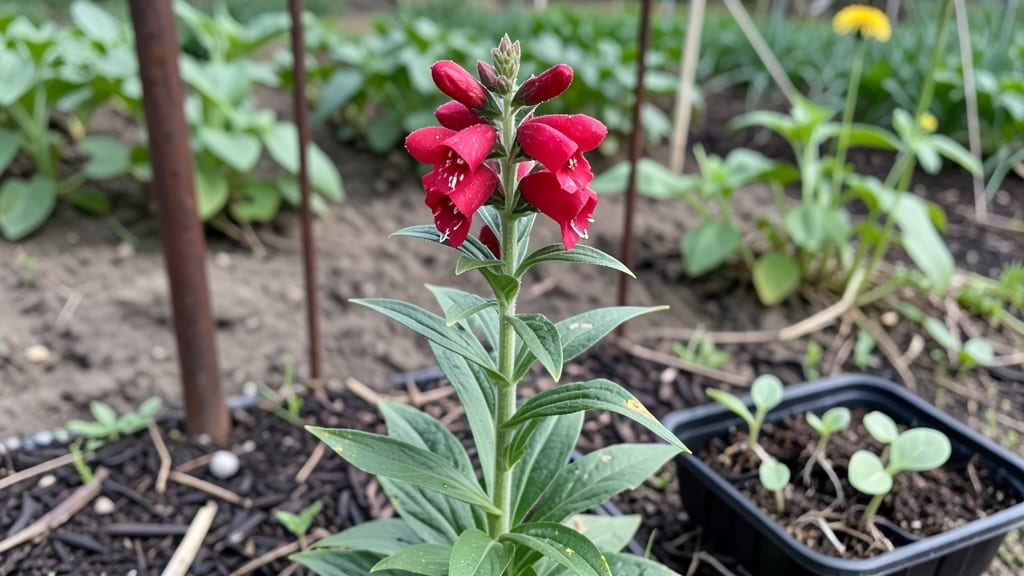
Gardening in Georgia for beginners starts with embracing the state's long, hot summers and mild winters—where the right plants thrive with minimal fuss. 🌿 I learned the hard way that Georgia's humid climate demands quick-draining soil and shade-loving varieties, but once you master these basics, your garden becomes shockingly productive.
The key is choosing heat-tolerant vegetables like okra and sweet potatoes, paired with flowers that bloom nonstop like zinnias and cosmos.
You'll need just a few essentials: well-draining soil mix, a watering can with a long spout, and mulch to keep roots cool. Most beginners skip mulch, but it's a game-changer—keeping soil moist and blocking weeds while protecting plants from the brutal afternoon sun.
Start small with containers or raised beds if your yard's soil feels heavy or clay-like, which many in Georgia do.
By mid-spring, you'll be harvesting crisp lettuce, juicy tomatoes, and fragrant herbs that taste better than anything store-bought. The secret's in consistent watering—deep but infrequent—to encourage strong root systems that handle Georgia's heat. Even my first attempt with just a few tomato plants yielded enough for salsa by July.
Local extension offices offer free soil tests and plant recommendations tailored to your county, so don't go it alone. Georgia's gardening community is welcoming, and master gardeners love sharing tips for beating pests like squash bugs without chemicals.
The best part? Your garden will look effortless once you know these simple tricks.
📚 In This Guide
- What you need
- Instructions
- Tips and common mistakes
- Wrapping up and next steps
What you need
- ● Garden Gloves: 1 pair (nitrile-coated for durability; look for breathable fabric to avoid sweaty hands in Georgia’s heat).
- ● Hand Trowel: 1 (5–6" stainless steel; ideal for transplanting seedlings and small tasks).
- ● Pruning Shears: 1 (bypass-style for clean cuts; bypass is gentler on plants than anvil shears).
- ● Garden Fork: 1 (heavy-duty, 18–24" for aerating soil and turning compost).
- ● Watering Can or Hose: 1 (3–5 gallon can for precision; or a lightweight hose with adjustable nozzle for larger areas).
- ● Soil Amendments: Compost (5–10 lbs per 10 sq ft; Georgia’s sandy soil benefits from organic matter).
- ● Peat moss or coconut coir (2–3 bags; improves water retention in clay-heavy spots).
- ● Mulch: 2–3 bags (pine straw or shredded hardwood; 2–3 inches thick to conserve moisture and suppress weeds).
- ● Seeds or Seedlings: Choose varieties suited to Georgia’s long growing season (e.g., heat-tolerant tomatoes, okra, or native flowers like black-eyed Susans).
- ● Wheelbarrow: 1 (2–3 cubic feet; for hauling soil, compost, or plants).
- ● Knee Pads: 1 (for comfort during long planting sessions).
- ● pH Test Kit: 1 (to check soil acidity; Georgia’s soil can range from slightly acidic to neutral).
- ● Drip Irrigation Kit: 1 (saves water and time; especially useful during Georgia’s dry spells).
- ● Shade Cloth: 1 roll (30–50% shade; protects seedlings from intense afternoon sun in summer).
- ● Bird Netting: 1 (for fruit/berry plants; Georgia’s warm winters mean pests are year-round).
Step-by-Step guide to starting your Georgia garden as a beginner
Georgia’s long growing season and rich soil make it perfect for first-time gardeners—here’s how to build a thriving plot.
🌱 Step 1: Choose the Right Planting Zones and Timing
Georgia spans multiple hardiness zones, so check your exact location using the USDA Plant Hardiness Zone Map. Most of the state falls between Zone 7a and Zone 8b, meaning you can plant cool-season crops like lettuce and peas as early as mid-February and warm-season crops like tomatoes and peppers after the last frost date—typically mid-March to early April in most regions.
I always mark my calendar for key dates: Valentine’s Day for early cool-season planting and Easter as a reminder that warm-season crops are ready soon. If you’re unsure, ask your local Cooperative Extension Service for precise frost dates tailored to your county.
☀️ Step 2: Select Sun-Loving and Heat-Tolerant Plants
Georgia’s intense summer sun means you’ll want to focus on heat-tolerant varieties like okra, sweet potatoes, and southern peas. These thrive in full sun (6+ hours daily) and handle the state’s humidity better than northern-bred plants. For vegetables, I prioritize tomatoes, peppers, and squash, which flourish in the heat once established.
If you’re new to gardening, start with easy winners like bush beans, zucchini, and collard greens. These produce abundantly even with minor mistakes. Avoid delicate greens like spinach or lettuce unless you can provide afternoon shade during peak summer months.
💧 Step 3: Prepare Soil for Georgia’s Clay-Heavy Conditions
Georgia’s native soil is often clay-heavy and nutrient-poor, so amending it is critical. Work in 2-3 inches of compost or well-rotted manure before planting to improve drainage and fertility. I also mix in a balanced 10-10-10 fertilizer at planting time to give crops a strong start.
Test your soil’s pH—most vegetables prefer a slightly acidic to neutral range (6.0-7.0). If your soil is too alkaline, add sulfur or peat moss to adjust it gradually. Avoid tilling when the soil is wet; clay compacts easily, and you’ll end up with a hardpan that roots can’t penetrate.
✂️ Step 4: Water Deeply and Mulch to Retain Moisture
Georgia’s heat evaporates moisture quickly, so deep watering (1-2 inches per week) is essential. Water in the early morning to reduce fungal diseases, and aim for the soil, not the leaves. Drip irrigation or soaker hoses work best—they deliver water directly to the roots without wetting foliage.
Apply 2-3 inches of mulch (straw, pine straw, or wood chips) around plants to lock in moisture and suppress weeds. Mulch also keeps soil temperatures stable, which is crucial during Georgia’s hot, humid summers. Replenish mulch as it breaks down to maintain its effectiveness.
🌿 Step 5: Monitor for Common Georgia Pests and Diseases
Keep an eye out for squash vine borers, tomato hornworms, and fungal issues like early blight. I inspect plants weekly, especially after rain, when fungal spores spread rapidly. Remove affected leaves immediately and dispose of them in the trash—not the compost—to prevent reinfection.
Encourage beneficial insects like ladybugs and lacewings by planting marigolds, dill, or fennel nearby. These natural predators keep pest populations in check without chemicals. If pests overwhelm your garden, opt for neem oil or insecticidal soap—both are effective and safer than synthetic pesticides.
Tips & tricks for perfect Georgia gardening
Georgia’s unique climate and soil demand special attention—here’s how to turn those challenges into your garden’s greatest strengths.
Zone-Specific Planting Precision: Don’t just rely on the general Zone 7a-8b guidelines. Use the USDA Plant Hardiness Zone Map to pinpoint your exact zone—some northern Georgia counties (like Blairsville) sit in Zone 7a, while southern regions (like Savannah) reach Zone 8b. This precision determines whether your tomatoes thrive or bolt prematurely. I’ve seen beginners plant cool-season crops too early in Zone 7a, only to have them freeze after a late March cold snap—always check your local Extension Service’s frost date updates.
Heat-Tolerant Variety Selection: When choosing plants in Step 2, look for varieties specifically bred for the South. For example, 'Celebrity' tomatoes and 'Jupiter' peppers handle Georgia’s heat better than standard varieties. I always check seed packets for "heat-tolerant" labels—this simple step can mean the difference between a bumper crop and wilting plants. For shade-sensitive greens, consider 'Malabar spinach' which thrives in Georgia’s summer heat where regular spinach would bolt.
Clay Soil Mastery: The 2-3 inches of compost recommendation in Step 3 is non-negotiable for Georgia’s clay-heavy soil. But here’s the secret: work the compost into the top 6-8 inches of soil, not just the surface. Clay compacts easily, so avoid tilling when wet—wait until soil is dry enough to crumble between your fingers. I’ve found that adding coarse sand (like mason sand) to the compost mix helps break up clay clumps while improving drainage. For raised beds, mix in equal parts compost, sand, and native soil for optimal results.
Pest Prevention Strategy: The weekly inspection in Step 5 is crucial, but here’s how to get ahead: Install floating row covers over young plants to block squash vine borers entirely. For tomato hornworms, I’ve had success with handpicking them (they’re easy to spot) and dropping them into soapy water. The key is consistency—check plants every 3-4 days during peak pest season (June-August). Planting marigolds isn’t just decorative; their strong scent repels many common pests while attracting beneficial insects.
Pro Tips for Gardening In Georgia For Beginners
- Georgia’s unique climate and soil demand special attention—here’s how to turn those challenges into your garden’s greatest strengths.
- Zone-Specific Planting Precision: Don’t just rely on the general Zone 7a-8b guidelines.
- Heat-Tolerant Variety Selection: When choosing plants in Step 2, look for varieties specifically bred for the South.
Frequently asked questions
Got questions about diving into Georgia gardening? You’re not alone! Here are some of the most common queries from beginners—plus straightforward answers to help you grow with confidence.
When is the best time to start planting in Georgia?
Georgia’s last frost date (around mid-March to early April in most regions) signals the green light for warm-season crops like tomatoes, peppers, and squash. For cool-season veggies (think lettuce, spinach, or broccoli), plant 8–10 weeks before the last frost—or opt for fall/winter varieties after Labor Day. Check your local frost dates for precision!
How often should I water my garden in Georgia’s heat?
Georgia’s humid summers can dry out soil fast—aim for 1–1.5 inches of water per week, either from rainfall or manual watering. Morning watering (before 10 AM) minimizes evaporation and fungal risks. Mulch (straw or pine needles) helps retain moisture. Drip irrigation or soaker hoses are beginner-friendly for consistent hydration.
What pests should I watch for in Georgia gardens?
Common culprits include squash bugs, tomato hornworms, and aphids. Preventative tips:
- Rotate crops yearly to disrupt pest life cycles.
- Use row covers for early-season protection.
- Handpick pests (like hornworms) or spray neem oil for organic control.
Can I garden in Georgia without a backyard?
Container gardening
thrives in Georgia’s climate. Choose compact varieties (like cherry tomatoes or bush beans) and pots with drainage. Balconies, patios, or even sunny windowsills work—just ensure 6+ hours of sunlight daily. Herbs (basil, thyme) and leafy greens are top picks for small spaces!
How do I handle Georgia’s extreme heat or humidity?
Heat stress? Shade cloth (30–50% coverage) protects tender plants, while drought-resistant varieties (okra, sweet potatoes) thrive in dry spells. For humidity, space plants to improve airflow and avoid overhead watering. Drip irrigation keeps foliage dry, reducing fungal diseases like powdery mildew.
Still stumped? Drop your question in the comments—Georgia’s gardening community is always happy to help!
Wrapping up and next steps
Gardening in Georgia for beginners is all about embracing the sunny, diverse climate while keeping it simple and fun! 🌞 From selecting the right plants for your zone to mastering soil prep and watering techniques, you’ve got everything you need to start growing with confidence.
Remember, every expert gardener began exactly where you are now—with a shovel, a dream, and a little curiosity.
Your next step? Dive in! Start small—whether it’s a windowsill herb garden or a raised bed of veggies—and let your green thumb grow. Before you know it, you’ll be harvesting fresh, homegrown goodness and maybe even sharing tips with fellow beginners. Happy planting! 🌱