
Landscaping
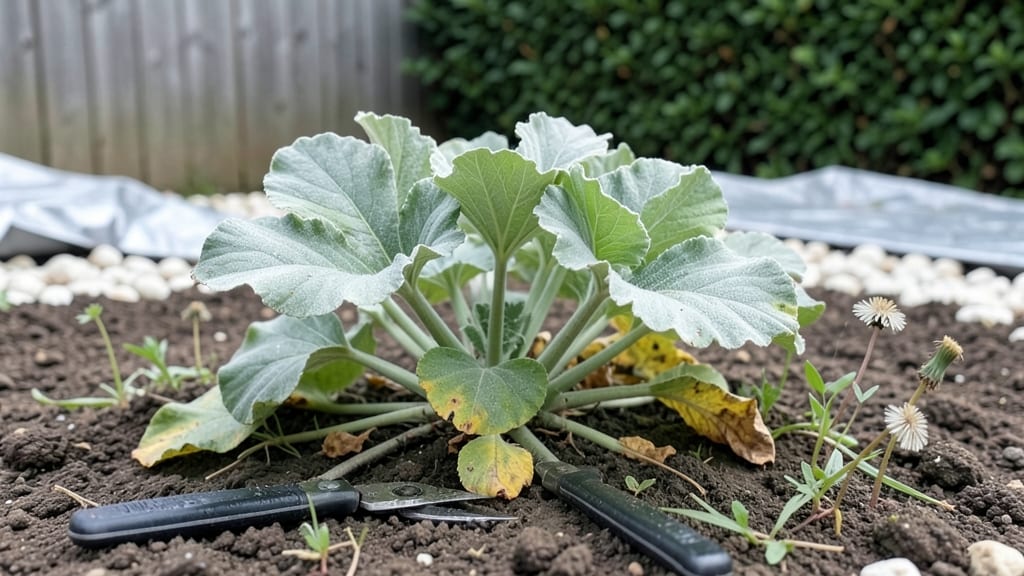
Creating a moon garden that glows under the night sky is like designing a secret garden for fireflies—except you get to control the magic. 🌙 The key starts with plants that open after sunset: moonflowers, evening primrose, and white petunias that catch the moonlight like a spotlight.
I learned the hard way that regular flowers won’t cut it; these night-bloomers need to be the stars of the show.
Your palette should be cool tones—whites, silvers, and pale lavenders—that reflect light instead of absorbing it. Add reflective mulch or smooth river rocks to bounce back that moonlight, and you’ll have a garden that feels like a dream.
The layout matters too: cluster plants in curves rather than straight lines to mimic natural growth patterns, and leave open spaces for the glow to spread.
Once established, your moon garden will reward you with fragrance that peaks at dusk and blooms that last until dawn. The scent of night-blooming jasmine or gardenia will pull you outside after dark, and the contrast of dark foliage against luminous flowers creates a dramatic effect.
Maintenance is simple: just deadhead spent blooms in the morning to keep the show going all season.
This design works in any size—even a small balcony with potted moonflowers and a solar-powered lantern. The biggest mistake I see? Using too many daytime flowers that fade by twilight. Stick to the night-bloomers, and you’ll have a garden that feels alive when most others are asleep.
📚 In This Guide
- What you need
- Instructions
- Tips and common mistakes
- Wrapping up and next steps
What you need
- ● Night-blooming plants (5-10+ varieties): Moonflower (Ipomoea alba) – 2-3 vines
- ● Evening Primrose (Oenothera) – 5-7 plants
- ● Night-Blooming Jasmine (Cestrum nocturnum) – 1-2 shrubs
- ● Angel’s Trumpet (Brugmansia) – 1-2 plants (for fragrant drama!)
- ● White or pale flowers (e.g., Datura, Petunia) – 10+ plants
- ● Soil amendments: Compost (1-2 bags, 40 lbs each) – for nutrient-rich soil
- ● Perlite or sand (1-2 bags, 40 lbs) – for drainage
- ● Mulch: Dark or light-colored mulch (2-3 bags, 2 cubic feet each) – retains moisture and enhances contrast
- ● Lighting: Solar-powered path lights (5-10) – for subtle illumination
- ● Moonlight garden lights (1-2) – for focal points
- ○ LED string lights (optional, 1-2 strands) – for whimsical ambiance
- ● Garden trowel (1) – for planting
- ● Pruners (1 pair) – for trimming
- ● Garden gloves (1 pair) – for comfort
- ● Wheelbarrow or bucket (1) – for mixing soil
- ● Measuring tape (1) – for layout planning
- ● Spray bottle (1) – for watering seedlings
- ● Garden hose or watering can (1) – for hydration
- ○ Optional: Soil pH tester (1) – to ensure optimal conditions
- ● Decorative rocks or pebbles (1-2 bags) – for pathways or borders
- ● Wind chimes or nighttime decor (1-2 pieces) – for sensory magic
- ● Location: Choose a spot with partial shade to full sun (depending on your climate). Avoid windy areas to protect delicate blooms!
- ● Timing: Plant in early spring or late summer for best establishment.
- ● Watering: Keep soil consistently moist (not soggy) during the first month.
- ● 💡 Pro Tip: Group plants by height—tall varieties (like Angel’s Trumpet) at the back, shorter ones (like Evening Primrose) in the front.
- ● ✨ Extra Magic: Add reflective surfaces (like a small pond or metallic accents) to amplify moonlight effects!
How to design a moon garden that blooms at night
Here's how to create a nighttime sanctuary with plants that glow, fragrance that lingers, and textures that shimmer under moonlight.
🌱 Step 1: Choose Night-Blooming and Silver-Foliage Plants
Start with plants that naturally thrive in low light and open their flowers after sunset. I always include night-blooming jasmine for its intoxicating scent and evening primrose for their golden-yellow flowers that catch moonlight beautifully. Add silver-leaved plants like lamb's ear or dusty miller—they reflect moonlight like tiny mirrors.
For structure, I mix in white and pale flowers like moonflower vine and white datura, which stand out dramatically against darker foliage. These plants won't just survive in shade—they'll become the stars of your moon garden. I promise, the contrast will make your garden feel like a dreamy, silver-lined world after dark.
☀️ Step 2: Position for Maximum Moonlight Exposure
Face your moon garden toward the south or east to capture the most moonlight. The moon rises in the east and moves westward, so an eastern exposure will catch the soft glow of the moonrise. If your space is small, just ensure there are no tall trees or buildings blocking the moonlight.
I like to place my tallest plants like moonflower vine along the back or sides of the garden, letting them climb trellises or fences to create a natural backdrop. The vines will catch the moonlight and cast beautiful shadows on the ground. For ground cover, I use white sweet alyssum—it spills over edges and glows like a carpet of stars.
💧 Step 3: Layer Soil with Organic Mulch for Moisture Retention
Moon gardens thrive in well-draining but consistently moist soil. I spread a 2-inch layer of organic mulch (like shredded bark or straw) over the soil to keep moisture in and weeds out. This is especially important because many night-blooming plants, like evening primrose, prefer slightly damp conditions but can't tolerate soggy roots.
Water deeply in the late afternoon or early evening so the soil has time to absorb moisture before nightfall. You'll know you've got it right when the mulch looks slightly damp but not wet. Avoid watering in the early morning—you want the plants to stay hydrated through the night when they're actively blooming.
✂️ Step 4: Add Reflective and Glowing Elements
To make your moon garden truly magical, I incorporate reflective surfaces like smooth river stones or glass pebbles scattered among the plants. These catch the moonlight and scatter it like tiny beacons. You can also add solar-powered LED lights with a soft white glow to enhance the effect on moonless nights.
For extra drama, I weave in glow-in-the-dark plants like Angel's Trumpet or Queen of the Night cactus, which not only bloom at night but also emit a faint glow. Even if you don't have these, white and pale flowers will reflect enough moonlight to create a stunning display. This is the moment that matters—your garden should feel like it's alive under the moonlight.
🌿 Step 5: Maintain with Evening Care
Check your moon garden in the late afternoon to ensure everything looks healthy. Remove any spent blooms from night-blooming plants to encourage more flowers. I also give the foliage a gentle misting with water to boost humidity, which helps the flowers stay fresh longer. This is especially important for plants like night-blooming jasmine, which rely on high humidity to open their flowers fully.
Watch for pests like slugs or snails, which love the damp conditions. I place copper tape around the edges of the garden to deter them naturally. With consistent evening care, your moon garden will thrive and become a nighttime oasis you can't wait to visit after dark.
Tips & tricks for perfect moon garden designs
Creating a moon garden that truly shimmers after dark takes a few thoughtful tricks—especially when working with night-blooming plants and moonlight. Here's what I've learned to make the magic happen.
Plant Placement Matters: In Step 2, when positioning your moonflower vine and white datura, place taller plants like moonflower vine along the north side of your garden. This prevents them from casting shadows over smaller plants when the moon rises in the east. I also like to arrange silver-leaved plants like lamb's ear in clusters—their reflective foliage creates stunning moonlight patterns when grouped together.
Soil Secrets for Night Bloomers: The 2-inch layer of organic mulch in Step 3 is your best friend for moisture retention, but there's more: Mix in a handful of compost when planting night-blooming jasmine and evening primrose. These plants thrive when their roots have access to nutrients, and the compost helps prevent soil compaction that can suffocate delicate night-blooming roots.
Lighting Layering Technique: For Step 4, don't rely solely on moonlight. I recommend adding solar-powered LED lights with a warm white glow (around 2700K) placed among your plants. These should be barely visible during the day but create a magical ambiance when darkness falls. Position them near your reflective surfaces like river stones—they'll cast beautiful patterns on the ground.
Pest Prevention Strategy: The copper tape mentioned in Step 5 works wonders, but I've found an extra trick: Plant marigolds around the perimeter of your moon garden. Their strong scent repels slugs and snails naturally while adding a pop of color. Plus, they bloom in the evening, fitting perfectly with your nighttime theme.
Pro Tips for Moon Garden Designs
- Creating a moon garden that truly shimmers after dark takes a few thoughtful tricks—especially when working with night-blooming plants and moonlight.
- Plant Placement Matters: In Step 2, when positioning your moonflower vine and white datura, place taller plants like moonflower vine along the north side of your garden.
- These plants thrive when their roots have access to nutrients, and the compost helps prevent soil compaction that can suffocate delicate night-blooming roots.
Frequently asked questions
What’s the best time of year to plant a moon garden?
For fastest results, plant in early spring (4–6 weeks before your last frost) or late summer (6–8 weeks before first frost). This gives night-bloomers time to establish roots before cooler temps. Pro tip: Check your USDA hardiness zone for local timing tweaks!
Can I use regular garden soil for a moon garden?
Not ideal! Moon gardens thrive in well-draining, slightly acidic soil (pH 6.0–7.0). Amend your soil with compost and a moisture-retentive mulch (like cedar chips) to keep roots happy. Troubleshoot: If soil drains too fast, mix in peat moss or coconut coir.
How do I keep my moon garden lit up at night without electricity?
Skip the wiring! Opt for reflective mulch (white gravel or crushed seashells), glow-in-the-dark paint on stones, or solar-powered path lights. For extra magic, plant bioluminescent flowers like Angel’s Trumpet (which naturally reflects moonlight!).
Are moon gardens high-maintenance? What pests should I watch for?
Not necessarily! Most night-bloomers are drought-tolerant once established. Watch for slugs/snails (they love tender leaves) and deer (they’ll munch fragrant blooms). Prevent pests: Use copper barriers or neem oil spray. Prune dead blooms to encourage more flowers!
What if I live in a hot/dry climate? Can I still have a moon garden?
Choose heat-loving plants like Moonflower Vine, Evening Primrose, or succulents with silvery foliage (e.g., Sedum). Hydration hack: Water deeply once a week (early morning) and use drip irrigation to conserve water.
Wrapping up and next steps
Creating a moon garden is like painting with moonlight—it’s all about embracing the night’s quiet beauty and letting your creativity shine (literally!). Whether you’re drawn to fragrant night-blooming flowers, silvery foliage, or whimsical lighting, these designs offer a serene escape where magic unfolds after dark.
The key? Start small, trust your instincts, and let the stars guide your choices.
Ready to transform your space into a nocturnal paradise? Grab your gardening tools, sketch a layout, and take the first step tonight! 🌙✨