
Planting
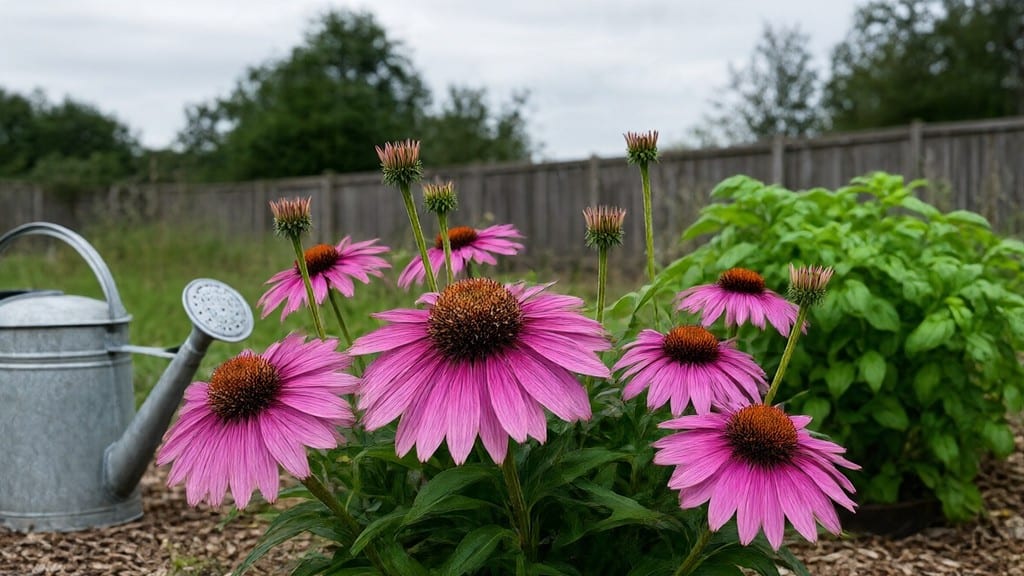
Minnesota flower gardening isn't about fighting the cold—it's about choosing plants that embrace it. 🌿 I've learned the hard way that tender annuals won't cut it here, but the right perennials turn winter's bite into their superpower, blooming longer and stronger than anything in warmer climates.
The secret lies in native plants like coneflowers, black-eyed Susans, and hardy asters that thrive in zones 3-5 without fuss. These perennials handle snow, drought, and even deer raids with ease, while still packing the color and texture of any garden.
My front yard now stays vibrant from June through October with minimal effort—once they're established, they just keep coming back.
You'll end up with a garden that's not only beautiful but also low-maintenance and resilient. Picture deep purple coneflowers swaying in late summer breezes, their seeds feeding goldfinches while your neighbors are still watering wilted annuals.
The best part? These plants need little more than good soil and occasional deadheading to keep them thriving.
Perfect for Minnesota's short growing season, these perennials give you maximum impact with minimum work. Whether you're starting from seed or transplanting, the key is choosing the right plants for your specific zone and sunlight conditions—here's how to make it work in your yard.
📚 In This Guide
- What you need
- Instructions
- Tips and common mistakes
- Wrapping up and next steps
What you need
- ● Hardy perennial plants: Coneflowers (Echinacea) – 3–5 plants
- ● Black-eyed Susans (Rudbeckia) – 3–5 plants
- ● Daylilies (Hemerocallis) – 3–5 plants
- ● Bee balm (Monarda) – 3–5 plants
- ● Russian sage (Perovskia) – 1–3 plants
- ● Hostas (Hosta spp.) – 3–5 plants (for shade)
- ● Soil amendments: Compost (1–2 bags, 40 lb each)
- ● Organic mulch (straw or shredded bark, 2–3 cubic feet)
- ● Tools: Garden trowel or hand shovel
- ● Pruning shears
- ● Garden fork (for aerating soil)
- ● Watering can or hose with adjustable nozzle
- ● Gloves (heavy-duty for protection)
- ● Planting supplies: Garden stakes or labels (for tracking plants)
- ● Organic fertilizer (balanced 10-10-10 or compost-based)
- ● Drip irrigation system (for consistent watering)
- ● Garden kneeler or pad (for comfort)
- ● Soil pH test kit (to ensure optimal growing conditions)
- ● Wildflower seed mix (for pollinator-friendly borders)
- ● Decorative rocks or edging (for garden borders)
Step-by-Step instructions for designing a cold-resilient perennial garden
Here's how I build a perennial garden that survives Minnesota winters and bursts into bloom every spring.
🌱 Step 1: Select and Group Plants by Hardiness Zones
Start by choosing perennials rated for USDA Zone 3-4—these tough varieties handle Minnesota's harsh winters. Group plants with similar sunlight needs together. For example, place coneflowers, black-eyed Susans, and asters in a sunny border, while hostas and lungwort thrive in partial shade. I always check the mature size too—3-foot plants need 3 feet of space to avoid competition.
Here's the thing—avoid planting tender perennials like lavender or Russian sage unless you're willing to protect them with burlap wraps during winter. Instead, focus on purple coneflower, bee balm, and sedum—they'll come back stronger every year. I sketch a rough layout first, marking where each plant will go based on its mature height and spread.
☀️ Step 2: Prepare the Soil for Cold-Climate Success
Minnesota's heavy clay soil drains poorly, so I amend with 2-3 inches of compost to improve drainage and fertility. Work the compost into the top 6-8 inches of soil using a broadfork—this loosens the clay without disturbing the soil structure too much. A soil test reveals what nutrients are missing; if phosphorus is low, I add bone meal at planting time.
Don't skip this step—poor drainage leads to root rot, and that's a death sentence for perennials. I also mix in a slow-release organic fertilizer to give plants a steady nutrient supply all season. The goal is loamy, well-draining soil that holds moisture but doesn't stay soggy.
💧 Step 3: Plant at the Right Depth and Time
In Minnesota, the best planting time is early spring or early fall—this gives roots time to establish before winter. Dig holes twice as wide as the root ball but only as deep as the root ball itself. Place the plant in the hole, then backfill with soil, pressing gently to remove air pockets. Water deeply to settle the soil around the roots.
I always mulch heavily after planting—3-4 inches of shredded bark or straw helps insulate roots during winter. This prevents heaving, where frozen soil expands and pushes plants out of the ground. Mulch also keeps soil temperatures stable, which is crucial for perennials that need to survive freezing and thawing cycles.
✂️ Step 4: Maintain Through Seasons for Long-Term Health
In early spring, remove old mulch and replace it with fresh—this prevents fungal diseases from overwintering. Cut back dead foliage but leave last year's stems on perennials like coneflower and sedum—they provide winter interest and protect new growth from temperature swings. Fertilize lightly in early May with a balanced organic fertilizer to encourage new growth.
Water deeply once a week during dry spells, aiming for 1 inch of water per week. You'll know you're doing it right when the top 2 inches of soil stay moist but not waterlogged. In fall, add a 2-inch layer of mulch before the first hard frost to protect roots. This is the moment that matters—proper winter care determines how well your perennials rebound in spring.
Tips & tricks for perfect Minnesota flower gardening
These practical strategies will help your hardy perennials thrive through Minnesota's tough winters and deliver stunning blooms year after year.
Zone 3-4 Plant Selection: When choosing plants for Step 1, look for those labeled "hardy to -30°F" or lower. I always verify this by checking the USDA Plant Hardiness Zone Map—some nurseries mislabel plants. For example, black-eyed Susans and asters handle our winters beautifully, while bee balm might need winter protection in northern Minnesota. Trust me on this: the difference between a garden that survives and one that thrives often comes down to this single selection step.
Soil Amendments for Clay: In Step 2, don't just add compost—mix in sand or perlite (about 20% of the volume) to break up that heavy Minnesota clay. I've seen gardens fail because people skipped this crucial step. The goal is to create a soil texture that's more like cake batter than mud. You'll notice the difference immediately when you dig—soil should crumble easily between your fingers rather than sticking in clumps.
Timing is Everything: For Step 3, early spring planting gives roots time to establish before summer heat arrives, while fall planting allows roots to grow before winter dormancy. I've learned this the hard way after planting too late in spring and watching perennials struggle through their first winter. Aim to plant when soil temperatures reach 50°F—this is your sweet spot for root establishment.
Winter Protection Secrets: In Step 4, when adding that final 2-inch layer of mulch before frost, consider using straw instead of leaves. Leaves can compact and suffocate plants, while straw provides better insulation. I also add a lightweight row cover over tender perennials during extreme cold snaps (below -20°F)—it's worth the investment for plants like purple coneflower that you want to protect.
Pro Tips for Minnesota Flower Gardening
- These practical strategies will help your hardy perennials thrive through Minnesota's tough winters and deliver stunning blooms year after year.
- Zone 3-4 Plant Selection: When choosing plants for Step 1, look for those labeled "hardy to -30°F" or lower.
- Soil Amendments for Clay: In Step 2, don't just add compost—mix in sand or perlite (about 20% of the volume) to break up that heavy Minnesota clay.
Frequently asked questions
Got questions about growing flowers in Minnesota’s chilly climate? Here are answers to some of the most common concerns from gardeners like you!
What are the best hardy perennials for Minnesota’s short growing season?
Minnesota’s Zone 3-5 climate calls for tough, cold-resistant perennials like Echinacea (coneflowers), Rudbeckia (black-eyed Susans), and Daylilies. These bloomers bounce back yearly, even after frost! Other winners: Peonies (for fragrant, long-lasting flowers) and Catmint (drought-tolerant and deer-resistant).
When should I plant perennials in Minnesota?
Timing matters! For spring-planted perennials (like peonies), get them in the ground early—April to early May—so roots establish before summer heat. For fall-planted options (e.g., asters or sedum), wait until mid-to-late September to avoid winter stress. Always check your last frost date (around May 15th in most of MN) for guidance!
How do I protect my garden from Minnesota’s harsh winters?
Cold snaps can be brutal, but a little prep goes a long way!
- Mulch heavily (3–4 inches of straw or leaves) around perennials to insulate roots.
- Use burlap wraps or cardboard to shield tender stems of plants like geraniums.
- For potted plants, bury them in the ground or move them to a sheltered spot.
How do I keep deer and rabbits from munching my flowers?
Minnesota’s wildlife loves snacking on gardens! Try these tricks:
- Plant deer-resistant perennials like Lavender, Russian Sage, or Salvia.
- Use physical barriers: Fencing (at least 8 feet tall) or deer repellent sprays (like Hot Sauce Spray—yes, really!).
- Add companion plants like Marigolds or Alliums, which deer avoid.
What if my perennials don’t come back next year?
Don’t panic—it’s not always a death sentence! Check for these clues:
- Frost heave: If soil freezes and thaws, roots can pop up. Gently replant them in fall.
- Overcrowding: Divide perennials every 3–4 years to give them room to thrive.
- Poor soil: Amend with compost or mulch to improve drainage and nutrients.
Wrapping up and next steps
Minnesota’s chilly climate doesn’t have to limit your flower garden’s beauty—hardy perennials like coneflowers, black-eyed Susans, and daylilies prove that resilience and vibrancy go hand in hand! 🌸 Whether you’re a seasoned gardener or just starting, these low-maintenance plants offer years of color with minimal fuss.
The key? Preparing your soil, choosing the right varieties, and giving them space to thrive.
Now that you’re armed with the know-how, roll up your sleeves and get planting! Start small—pick one or two perennials to test your newfound skills, then expand your garden as confidence (and blooms!) grow. Happy gardening, and may your Minnesota flower beds burst with life year after year! 🌿