
How To
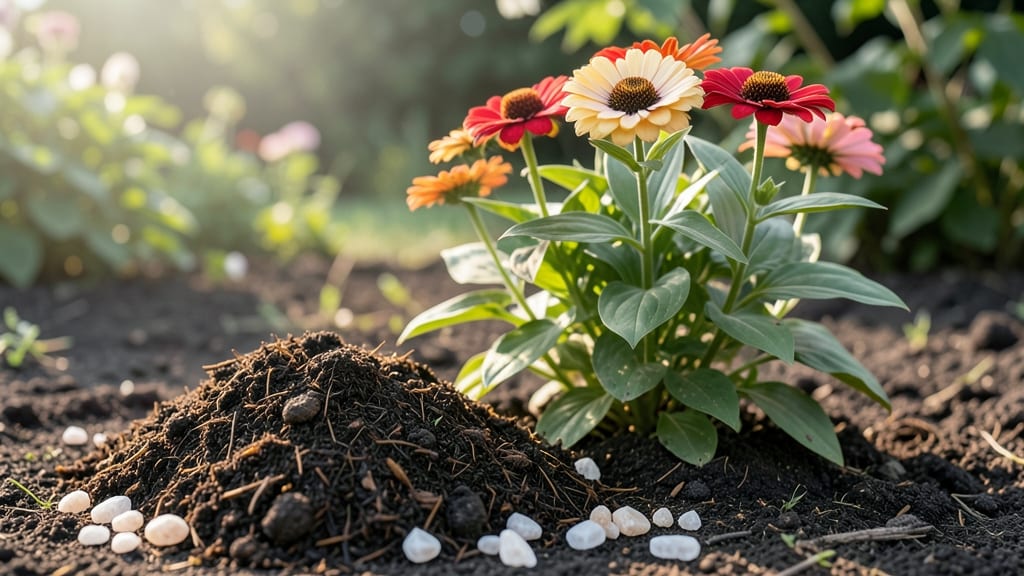
To fix clay soil for gardening, start by incorporating organic matter like compost, peat moss, or well-rotted manure to boost drainage and aeration. Work these amendments into the top 6-12 inches, avoid working the soil when it's wet, and plant cover crops to reduce compaction over time.
Clay soil can feel like a gardening challenge, but the right approach turns it into fertile ground. 🌱 The key is breaking up that dense structure—organic matter like compost or leaf mold creates tiny air pockets, helping roots grow while preventing waterlogging.
I’ve seen dramatic improvements in just one season when I mix in 3-4 inches of compost before planting, especially for vegetables that need consistent moisture but hate soggy roots.
Timing matters too: amend your soil in fall or early spring to let nature work its magic over the wetter months. A broadfork is your best tool for mixing without compacting further, and a thick layer of mulch keeps the improvements going.
For stubborn compaction, consider gypsum—it won’t change your soil’s pH but helps loosen the clay’s grip on nutrients.
💡 In This Article
- How Organic Amendments Transform Heavy Clay Soil
- Step-by-Step Clay Soil Improvement Guide for Gardeners
How organic amendments transform heavy clay soil
When you add organic matter like compost or leaf mold to clay soil, you're essentially inviting nature to rebuild its structure at a microscopic level. Clay particles are tiny and plate-like, packing together tightly when wet and forming dense, impenetrable layers.
Organic amendments introduce fibrous materials that create macropores—tiny air channels between particles—while their decomposition releases glomalin, a sticky glycoprotein that glues soil aggregates together. This process improves aeration by up to 30-50% in just one growing season, giving plant roots space to expand.
The magic happens through a process called aggregation. Compost contains humus and microbial byproducts that act like natural cement, binding clay particles into larger crumbs.
For example, mixing in 3-4 inches of well-aged compost can increase water infiltration rates from 0.2 inches/hour (typical of unamended clay) to 1.5-2 inches/hour
Different amendments offer distinct benefits: gypsum (calcium sulfate) replaces sodium ions in clay with calcium, reducing dispersion, while pine bark fines improve drainage without adding nitrogen. Leaf mold, rich in fungal networks, enhances microbial diversity by 20-30% compared to bare clay. The key is matching the amendment to your specific needs—sandy amendments for drainage issues, compost for fertility, and gypsum for sodium-heavy soils. What most gardeners don't realize is that these changes happen gradually. In the first year, you'll see improved moisture retention and easier working conditions, but the real transformation—50-70% better root penetration—takes 2-3 years as organic matter fully decomposes and integrates. The microbial activity that follows creates a self-sustaining ecosystem where plants thrive. For example, tomatoes in amended clay soil show 25% larger yields due to better nutrient availability and reduced stress from waterlogged roots. Seasonal timing amplifies these effects. Amending in fall gives winter rains time to work the materials into the soil profile, while spring amendments prepare the bed for summer planting. The decomposition process generates heat (up to 15°F warmer than surrounding soil), which stimulates early root growth. For maximum impact, combine amendments with cover crops like winter rye—their roots physically break up compaction while adding biomass when tilled in. Here's what's actually happening at the particle level: Clay minerals like montmorillonite swell when wet, reducing pore space. Organic amendments counteract this by creating stable aggregates that maintain structure even when saturated. This dual action explains why amended clay holds 1.5-2 times more water than unamended soil without becoming waterlogged—a perfect balance for moisture-loving plants like peppers and cucumbers. 💫