
Fertilization
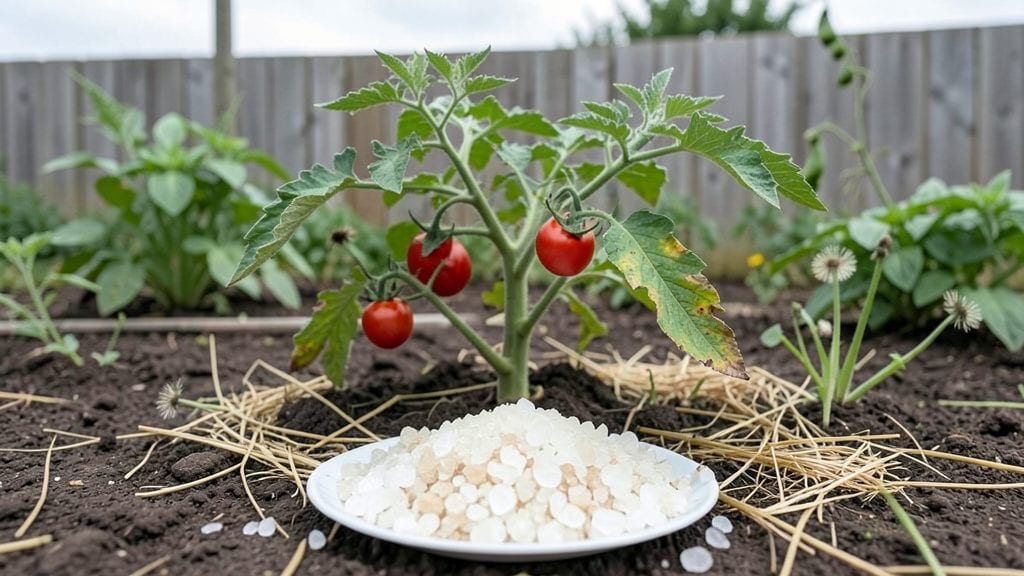
The Epsom salt garden myth suggests it's a universal plant growth booster, but magnesium sulfate only helps specific deficiencies—like yellowing leaves in magnesium-starved plants—while excessive use disrupts soil microbes and nutrient balance. Apply it selectively, never as a general fertilizer.
Magnesium is a plant's helper in photosynthesis and chlorophyll production, so when levels drop, leaves turn yellow between veins—a classic deficiency sign. 🌱 However, most soils already contain enough magnesium, meaning Epsom salt's benefits are limited to targeted situations like container gardening or sandy soils.
Overuse can actually harm beneficial soil bacteria and lead to salt buildup that stresses plant roots. Think of it as a supplement, not a miracle cure.
For most gardeners, organic alternatives like compost or dolomitic lime provide magnesium more sustainably. I've found Epsom salt works best for houseplants in distilled water or as a foliar spray for magnesium-deficient vegetables, but always follow package instructions to avoid overapplication.
The key is understanding your soil's needs before reaching for the salt shaker.
💡 In This Article
- Magnesium Sulfate in Soil: How Epsom Salt Really Works
- When to Use Epsom Salt in Gardens (And When to Skip It)
Magnesium sulfate in soil: how Epsom salt really works
Magnesium sulfate (Epsom salt) works by supplying two essential nutrients: magnesium and sulfur. Magnesium sits at the center of chlorophyll molecules, acting as the "glue" that holds the pigment together during photosynthesis.
When plants lack magnesium, they can't produce enough chlorophyll, causing that telltale yellowing between leaf veins called interveinal chlorosis. This happens because magnesium helps activate enzymes that convert carbon dioxide into glucose—without it, plants essentially starve even when sunlight is abundant.
The sulfur component plays a supporting role by forming essential amino acids like cysteine and methionine, which strengthen cell walls and improve disease resistance. However, most soils already contain sufficient sulfur, so magnesium is usually the limiting factor.
The real magic happens at a pH between 6.0-7.0, where magnesium becomes most available to plant roots. Below pH 5.5, aluminum and manganese compete with magnesium, locking it out of root uptake—this is why acidic soils often show deficiency symptoms despite having magnesium present.
Here's what's actually happening chemically: When dissolved in water, magnesium sulfate dissociates into Mg²⁺ and SO₄²⁻ ions. The Mg²⁺ ions are actively transported into root cells through specific channels, while SO₄²⁺ ions are absorbed via sulfate transporters. The problem?
Most garden soils already contain 100-1,000 ppm magnesium, meaning Epsom salt only helps when soil tests reveal deficiencies below 100 ppm available magnesium. Overapplication can actually disrupt this balance, causing nutrient imbalances that mimic deficiency symptoms.
Organic sources like dolomitic lime or kelp meal provide magnesium more gradually and improve soil structure, while synthetic Epsom salt delivers a quick but temporary boost.
The difference lies in how these sources interact with soil microbes: organic materials feed beneficial bacteria that naturally cycle nutrients, whereas Epsom salt can temporarily suppress microbial activity at high concentrations. Think of it like giving your plants a vitamin shot versus building a healthy diet foundation.
What most people don't realize is how quickly plants can develop magnesium toxicity. Symptoms appear as brown leaf edges or stunted growth when soil magnesium exceeds 5,000 ppm. This happens more easily in container gardens where salts accumulate without leaching.
The key is testing your soil first—most home test kits measure pH and basic nutrients, but professional labs can quantify magnesium levels for precise application rates. For most gardeners, a 1 tablespoon per gallon solution used every 4-6 weeks is sufficient for foliar sprays on deficient plants.
Consider these factors when deciding whether to use Epsom salt:
- Soil type: Sandy soils leach magnesium faster, while clay soils hold it more tightly
- Plant type: Heavy feeders like tomatoes and peppers show deficiencies faster than grasses
- Symptoms: Yellowing between veins (magnesium) vs. yellowing at leaf tips (potassium)
- Application method: Soil drenches work for root uptake, while foliar sprays act faster but require less concentration
The bottom line? Epsom salt isn't a growth miracle—it's a targeted nutrient supplement. Use it when you've confirmed a deficiency and apply it precisely, just like you would any other fertilizer. For most healthy soils, it's completely unnecessary. 🌱