
Tools
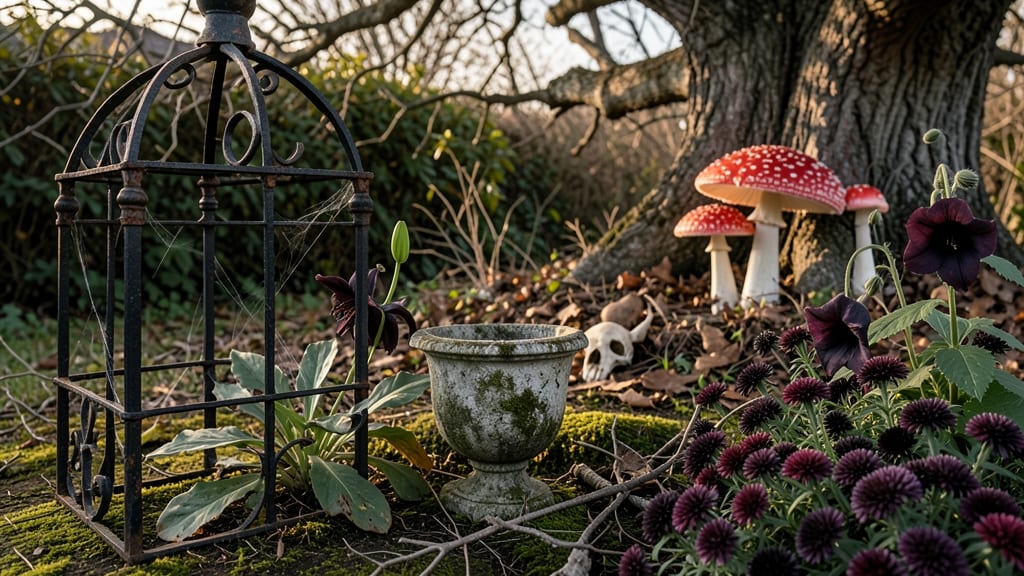
Creating a goth garden transforms your yard into a hauntingly beautiful sanctuary where dark romance thrives. 🌿 I stumbled upon this aesthetic after craving a space that felt dramatic yet serene—where deep purples, velvety blacks, and silver-gray foliage create an atmosphere that whispers secrets instead of shouting color.
The key isn’t just the plants; it’s the mood you cultivate, like a living poem for those who love the macabre yet elegant.
Start with moody plants that demand little care but deliver maximum atmosphere: black calla lilies for their eerie elegance, purple statice for its papery texture, and deep burgundy roses that bloom like velvet shadows.
Pair them with silver birch trees or lamb’s ear for contrast, and you’ve got a palette that feels like a gothic painting come to life. The layout matters too—winding gravel paths, iron statues with weathered patinas, and strategically placed lanterns turn daylight into twilight.
What you’ll end up with is a garden that feels like a secret escape, where every corner reveals something new yet familiar—like a favorite gothic novel.
The air hums with the scent of night-blooming jasmine and damp earth, while the play of light through skeletal trees creates a dance of shadows that changes with the seasons. It’s not just a garden; it’s a statement.
This design works in any climate, from sun-drenched backyards to shaded corners of urban spaces. The magic is in the details: a cracked stone fountain, wrought-iron benches, and even a few skulls tucked among the foliage (if you’re feeling bold).
Let’s bring this dark romance to life—one moody plant at a time.
📚 In This Guide
- What you need
- Instructions
- Tips and common mistakes
- Wrapping up and next steps
What you need
- ● Dark foliage plants: 1-2 Cyclamen (for deep purple blooms)
- ● 1 Heuchera (purple or black varieties)
- ● 3-5 Black Mondo Grass (Ophiopogon planiscapus ‘Nigrescens’)
- ● 1 Purple Smoke Bush (Cotinus coggygria ‘Royal Purple’)
- ● Dramatic flowers: 1 Black Baccara Rose (for velvety blooms)
- ● 3-5 Thunbergia alata (black-eyed Susan vine)
- ● 1 Belladonna Lily (Amaryllis belladonna, toxic—handle with care!)
- ● Soil & amendments: 50 lbs peat moss or coco coir (for acid-loving plants)
- ● 20 lbs compost (for nutrient-rich soil)
- ● 10 lbs sulfur (to enhance dark foliage tones)
- ● Structural elements: 1-2 wrought-iron trellises (for climbing plants)
- ● 3-5 black or aged metal containers (for contrast)
- ● 1 weathered wooden bench or stone seat (for gothic ambiance)
- ● Gardening tools: 1 pruning shears (for shaping plants)
- ● 1 trowel (for planting)
- ● 1 wheelbarrow (for soil transport)
- ● 1 gloves (to protect from thorns/toxins)
- ● Safety & prep: Access to partial shade (most goth plants thrive in 4-6 hours of dappled light)
- ● Watering can or hose (consistent moisture is key!)
- ○ Optional: mulch (black or dark brown for contrast)
- ● 1 fountain or small pond (for eerie ambiance)
- ● 3-5 candles or solar-powered LED lights (for nighttime drama)
- ● 1 statue or gothic ornament (e.g., ravens, crosses, or antique urns)
- ● 1 dark gravel or slate pathway (to enhance the moody aesthetic)
Instructions: crafting your dark romance garden layout
Here's how to arrange your moody plants for maximum gothic drama and year-round interest.
🪴 Step 1: Plan Your Dark Anchor Specimens
Start by selecting 4 focal points—these will anchor your gothic aesthetic. I recommend black mondo grass for dramatic ground cover, purple smoke bush for striking foliage, and black calla lilies for bold vertical accents. Place these along your garden's perimeter or along pathways to create instant visual impact.
For height variation, position the purple smoke bush at the back or center of your design, surrounded by the black mondo grass which will spill over edges. The black calla lilies belong in clusters of 3-5 near seating areas or garden entrances. This creates depth and draws the eye toward your darkest elements first.
🌿 Step 2: Layer Moody Foliage Plants
Now fill the spaces between your anchors with 4-6 mid-height plants like heuchera 'Midnight Heat' and Japanese painted fern. These provide texture contrast while maintaining the dark palette. I like to place them in odd-numbered groupings of 3 or 5 for natural, organic flow.
Use the heuchera near pathways where you'll walk frequently—its velvety leaves create a satisfying tactile experience. The Japanese painted fern thrives in partial shade, so position it where it won't compete with sun-loving anchors. Both plants will develop rich, deep colors in cooler months, enhancing your garden's moody character.
✂️ Step 3: Add Architectural Elements
Incorporate 3-4 dark metal or stone structures—think wrought-iron benches, weathered stone obelisks, or black-painted trellises. These elevate your garden's gothic feel while providing functional spaces. I always place at least one bench near the purple smoke bush for dramatic seating.
Position trellises vertically near black calla lilies to create natural vertical lines. The contrast between living plants and hard structures adds architectural interest. For extra drama, add black metal birdbaths or iron candlestick holders near seating areas—they become focal points while serving practical purposes.
💧 Step 4: Create Dark Mulch Pathways
Use dark brown or black mulch to create winding pathways between plantings. This unifies your design while adding to the moody aesthetic. I apply 3-4 inches of mulch along all paths, extending slightly into planting beds to create clean edges. The contrast between dark mulch and lighter foliage makes your plants stand out.
For extra drama, add black river rocks along pathway edges or around focal points. These create visual separation between different garden zones while maintaining the dark theme. Water pathways lightly after installation to help mulch settle and create a polished look.
☀️ Step 5: Light for Nighttime Drama
Install 3-5 black metal or dark glass solar lights along pathways and near seating areas. These provide subtle illumination while maintaining your gothic theme. I recommend placing them at ground level near black mondo grass and heuchera to highlight their textures after dark.
For focal point lighting, add 1-2 black metal uplights positioned to illuminate your purple smoke bush or black calla lilies. These create dramatic silhouettes while keeping your garden safe and navigable at night. Test lighting during dusk to ensure proper placement and intensity.
Tips & tricks for perfect dark romance garden design
Creating a gothic garden that feels intentional takes more than just dark plants—it's about the details that make it feel like a moody masterpiece. Here's how to elevate your design from ordinary to hauntingly beautiful.
Plant Placement Strategy: In Step 1, when positioning your 4 anchor specimens, think about the "rule of thirds" for visual impact. Place your purple smoke bush slightly off-center rather than directly at the back—this creates more dynamic movement in your garden. The black calla lilies in clusters of 3-5 near seating areas should face the bench or pathway to draw the eye naturally. Trust me, this small shift makes all the difference in creating that cinematic gothic feel.
Texture Layering: The secret to Step 2's moody foliage isn't just about color—it's about texture contrast. Pair the velvety heuchera with the delicate fronds of Japanese painted fern to create visual interest. I like to add optional silver foliage plants like lamb's ear in small quantities—their metallic sheen contrasts beautifully with the dark palette while adding subtle light reflection. This creates that "moody romance" aesthetic that feels intentional rather than just dark.
Architectural Balance: When adding your 3-4 dark metal structures in Step 3, remember that symmetry equals boredom in gothic design. Place your wrought-iron bench at a slight angle rather than directly facing the purple smoke bush. This creates visual tension and makes the space feel more dynamic. For extra drama, add one unexpected element—a black metal candlestick holder near a seating area—that breaks the pattern while maintaining the theme.
Mulch Depth Tip: The 3-4 inches of mulch in Step 4 might seem like a lot, but it's worth it for that polished look. I use a combination of dark brown mulch and black river rocks in alternating sections to create visual interest. The rocks add contrast while maintaining the dark theme, and they help define different garden zones. Pro tip: Water the mulch lightly after installation—this helps it settle and creates a more professional finish.
Pro Tips for The Goth Garden
- Creating a gothic garden that feels intentional takes more than just dark plants—it's about the details that make it feel like a moody masterpiece.
- Plant Placement Strategy: In Step 1, when positioning your 4 anchor specimens, think about the "rule of thirds" for visual impact.
- Texture Layering: The secret to Step 2's moody foliage isn't just about color—it's about texture contrast.
Frequently asked questions
What plants are essential for a Goth Garden?
A true Goth Garden thrives on moody, dramatic plants like black mondo grass (Ophiopogon planiscapus 'Nigrescens'), purple smoke bush (Cotinus coggygria 'Royal Purple'), and hemlock (Tsuga spp.) for that eerie, textured vibe. Don’t forget bleeding heart (Dicentra spectabilis) for a touch of gothic romance and dahlias in deep burgundy or black. Browse our full dark palette for inspiration!
How long does it take to design and plant a Goth Garden?
Timing depends on your vision’s complexity! A small, container-based gothic display can bloom in a weekend, while a full Goth Garden with hardscaping (like wrought-iron trellises or stone paths) may take 3–6 months. Plan for seasonal planting cycles—spring and fall are ideal for establishing perennials. Pro tip: Start with a sketch to avoid last-minute material shortages!
Can I create a Goth Garden in a small space (like a balcony or patio)?strong>
Goth aesthetics thrive in containers. Use hanging baskets for trailing black lace fern (Athyrium filix-femina 'Black Splice') or tall, narrow pots for dramatic grasses like Miscanthus 'Malepartus'. Add candles in black holders or wrought-iron decor to amplify the vibe. Just ensure your space gets 4+ hours of sunlight for most gothic plants!
What’s the best way to incorporate gothic decor without overwhelming the plants?
Balance is key! Start with subtle accents like black-painted garden stakes, antique urns, or wrought-iron birdcages (even if they’re empty). For a moody atmosphere, add string lights with warm bulbs or solar-powered fog machines for dramatic evenings. Avoid clutter—let the plants and shadows do the talking!
How do I keep my Goth Garden looking lush year-round?
Even gothic gardens need TLC! Prune dead foliage in winter to prevent disease, and mulch heavily to protect roots from frost. For evergreen drama, mix boxwoods or yews into your design. In dormant months, lean into structural elements like bare-branch trees or weathered statues to maintain the aesthetic. Check our seasonal checklist for plant-specific tips!
Wrapping up and next steps
Embrace the allure of the goth garden—where drama meets nature in a symphony of deep hues and eerie elegance! 🌿✨ Whether you're drawn to velvety black roses, silver-blue foliage, or the haunting beauty of moonflowers, this design invites mystery and sophistication into your outdoor space.
With the right plants, materials, and a dash of creativity, you’ve got everything you need to craft a garden that feels like a secret escape.
Ready to dive in? Start small—pick one corner of your yard or a pot to experiment with moody plants. Sketch a layout, gather your tools, and let your gothic vision bloom! The perfect dark garden awaits your touch.