
Vegetables
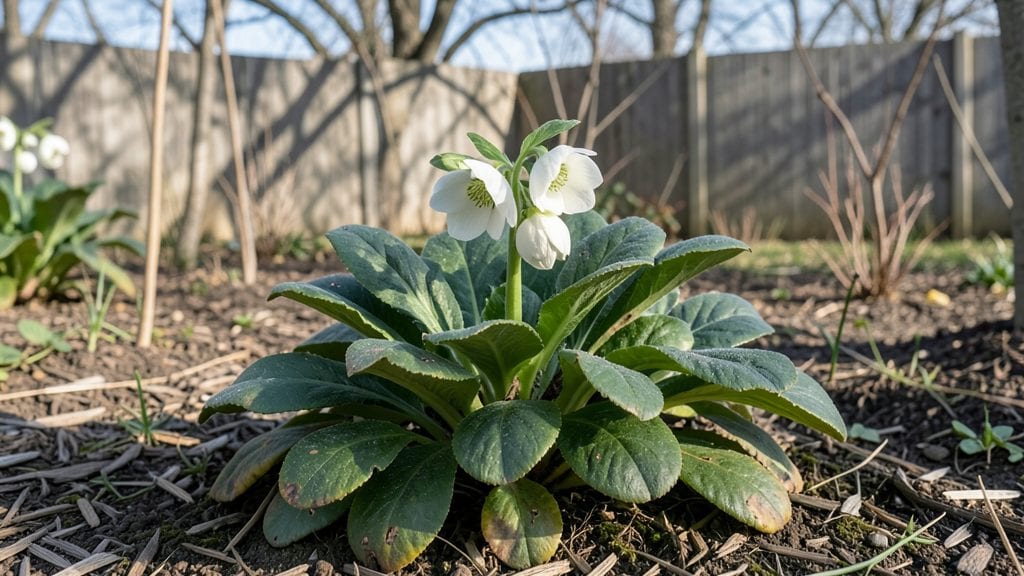
The Mendocino CA Botanical Gardens showcases stunning hidden trails like the Redwood Grove and Coastal Wildflower Loop, featuring rare native California plants, ferns, and drought-resistant species—explored best through guided tours or self-guided maps at the entrance.
The Mendocino CA Botanical Gardens isn't just a garden—it's a living classroom for California's unique ecosystems. 🌿 Here, you'll find rare species like coastal manzanita and ceanothus thriving in microclimates that range from foggy coastal zones to drier inland areas.
These plants aren't just beautiful; they're vital for local biodiversity, with some trails like the Shade Garden providing sanctuary for endangered ferns. The gardens carefully replicate natural habitats, making every visit an educational experience.
What makes this spot truly special is how it changes with the seasons.
Spring brings vibrant wildflowers along the Coastal Wildflower Loop, while fall transforms the gardens with fiery foliage. 🍂 For the best experience, I recommend visiting in late spring or early fall when the trails are lush but not overcrowded.
Don't miss the Succulent Path, a lesser-known trail packed with drought-resistant plants that thrive in Mendocino's Mediterranean climate.
💡 In This Article
- Native California Plants Thriving in Mendocino’s Microclimates
- Best Seasonal Visits and Hidden Trails Guide
Native California plants thriving in Mendocino’s microclimates
Mendocino’s coastal and inland ecosystems create perfect conditions for native plants like coastal manzanita and ceanothus to thrive. The region’s marine layer fog (averaging 30-50% humidity near the coast) reduces water loss through transpiration, allowing plants to survive with minimal rainfall.
These species have evolved thick, leathery leaves and deep root systems to access moisture from deep soil layers, a trait critical in Mendocino’s Mediterranean climate with dry summers and wet winters. 🌬️
The Redwood Grove showcases towering coast redwoods (Sequoia sempervirens), which rely on the fog’s moisture—up to 30% of their water intake comes from fog drip, not rain.
Meanwhile, inland areas like the Succulent Path feature desert spoon (Dasylirion wheeleri) and California buckwheat, adapted to hotter, drier conditions with water-storing leaves and reflective hairs to reduce heat absorption. These adaptations highlight how Mendocino’s microclimates support diverse flora.
Conservation plays a key role here. The gardens replicate natural habitats to protect endangered species like the Mendocino fern (Pentagramma triangularis), which thrives in shaded, moist microclimates.
Gardeners mimic these conditions using drip irrigation systems and mulch layers to maintain humidity levels. This approach helps preserve biodiversity while educating visitors about California’s fragile ecosystems. 🌱
Visitors often overlook how these plants interact with their environment. For example, ceanothus (California lilac) fixes nitrogen in the soil, enriching it for other plants—a critical process in nutrient-poor coastal soils.
Meanwhile, manzanita provides food for wildlife, including hummingbirds and deer, demonstrating its ecological importance. The gardens’ layout mirrors these natural relationships, creating a self-sustaining ecosystem.
One standout example is the Shade Garden, where rare ferns like wood fern (Dryopteris arguta) flourish under canopy cover with 60-70% shade. These ferns rely on high humidity and consistent moisture, conditions replicated in the garden’s sprinkler systems.
Such precision helps endangered species survive outside their natural habitats, ensuring their genetic diversity persists. 💧
What most people don’t realize is how these microclimates influence plant behavior. For instance, coastal wildflowers bloom in spring when temperatures hover around 55-65°F and rainfall is abundant, while inland species time their growth to avoid summer droughts.
The gardens’ strategic placement of plants reflects these natural cycles, creating a living laboratory for studying adaptation. 🌸