
Planting
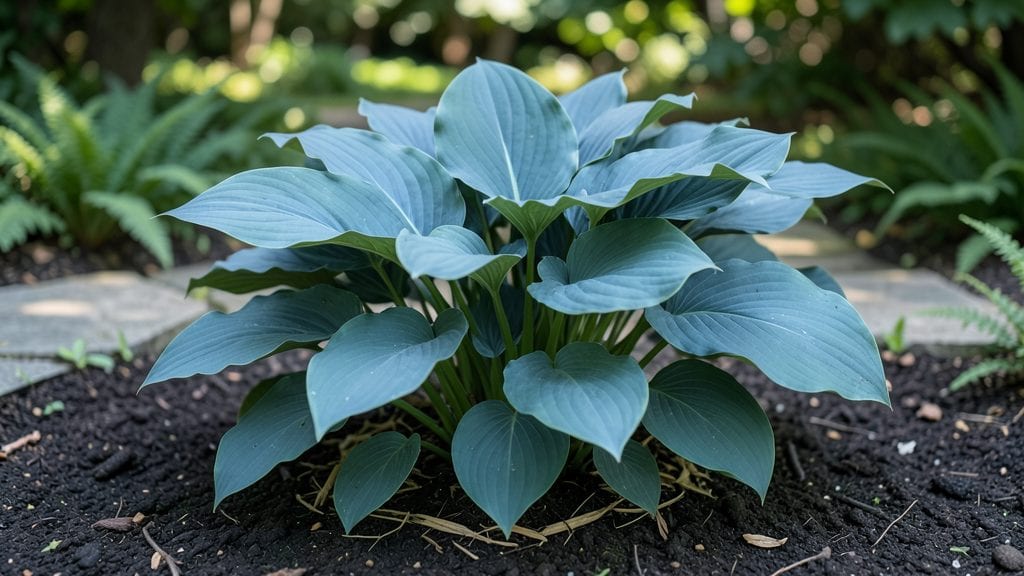
Mastering garden plant identification can feel like solving a puzzle—especially when every leaf and bloom looks different. I’ve spent years squinting at field guides and snapping photos of mystery plants, and I’ve learned the fastest way to get answers without guessing.
The key is focusing on just a few details: leaf shape, flower structure, and growth habit. Once you know what to look for, you’ll recognize plants in seconds instead of weeks.
Start with the basics: leaf arrangement (alternate or opposite?), edges (smooth or serrated?), and texture (hairy or smooth?). Apps like PlantNet or iNaturalist let you upload photos for instant matches, while regional plant databases narrow down possibilities by your zip code.
For tricky lookalikes—like hostas and lilies—compare stems, roots, or scent. Most gardeners I know keep a small notebook to jot down clues until they’re sure.
You’ll quickly spot patterns: the jagged leaves of a black-eyed Susan or the fuzzy stems of lamb’s ear. Before you know it, you’ll be naming plants faster than weeds pop up. The real win?
Confidence in your garden—no more wondering if that’s mint or pennyroyal. And when all else fails, local nurseries or botanical gardens often have experts ready to help with tough cases.
This works for any garden, from wildflower patches to manicured beds. Whether you’re troubleshooting pests or just curious, these tricks turn guesswork into instant recognition. Let’s get those plants named!
Behind The Misidentification
Mistaking one plant for another can be frustrating—especially when your garden’s health or your culinary plans are on the line! 🌱🔍 But why does this happen so often? The truth lies in a mix of biological similarities, human perception quirks, and even environmental tricks.
Let’s break down the real reasons your plant ID skills might be failing you.
Nature loves repetition. Many plants share striking similarities in leaves, flowers, or growth habits, making them nearly identical at first glance. Here’s why:
- Evolutionary mimicry: Some plants evolved to look alike to attract the same pollinators or deter herbivores. For example, foxglove (Digitalis) and comfrey (Symphytum) both have large, veined leaves—but foxglove is highly toxic, while comfrey is a garden staple.
- Convergent evolution: Plants from unrelated families (like hostas and liriope) develop similar leaf shapes or textures because they occupy the same ecological niche. This confuses even experts!
- Juvenile vs. mature stages: A young poison ivy (Toxicodendron radicans) plant might look like a harmless Virginia creeper (Parthenocissus quinquefolia)—until its leaves mature and develop the telltale three-leaflet pattern.
Pro Tip: 🔍 Always check multiple features—not just leaves. Look at:
- Flower structure (shape, color, arrangement)
- Stem texture (hairy, smooth, woody?)
- Root or bulb shape (if digging is safe)
Our brains are wired for efficiency—but that can backfire when identifying plants. Here’s how:
- Pattern recognition gaps: We often focus on the most obvious traits (like leaf shape) and ignore subtleties, such as:
- Leaf arrangement (alternate vs. opposite)
- Venation patterns (parallel vs. netted veins)
- Smell or sap color (e.g., milky sap in milkweed vs. clear sap in mint)
- Confirmation bias: If you think a plant is a tomato, you’ll overlook differences that prove it’s actually a deadly nightshade (Atropa belladonna).
- Seasonal blindness: Plants change with the seasons—what looks like wild garlic (Allium ursinum) in spring might be lily-of-the-valley (Convallaria majalis) in bloom, which is toxic.
Pro Tip: 🧠 Force yourself to slow down:
- Take photos from multiple angles (top, side, close-up).
- Use a plant ID app (like PlantNet or iNaturalist) to cross-check traits.
- Compare with a field guide—don’t rely on memory alone.
Light, soil, and climate can dramatically alter how a plant looks, making ID even harder. Consider these factors:
| Factor | How It Changes Plants | Example |
|---|---|---|
| 💡 Light exposure | Shade-grown plants often have larger, paler leaves with fewer flowers. | A hosta in full sun vs. shade can look like two different species! |
| 🌱 Soil nutrients | Nitrogen-rich soil = darker, broader leaves; poor soil = smaller, yellowing leaves. | A coleus in fertile soil might resemble a peperomia in lean soil. |
| 🌡️ Temperature/climate | Cold snaps can cause purpling or curling in leaves, mimicking disease. | A kale plant stressed by frost might look like cabbage with clubroot. |
| 💧 Water stress | Drought = thicker, waxy leaves; overwatering = yellowing or mold. | A succulent with plump leaves could be a sedum—or a poisonous euphorbia! |
Pro Tip: 🌡️ Note growing conditions:
- Is the plant in sun or shade?
- Is the soil sandy, clay, or loamy?
- Has it been recently watered or fertilized?
Now that you know why plant misidentification happens, the next step is learning how to avoid it. Stay tuned for actionable tips to become a plant ID pro! 🚀
Quick fixes for plant puzzles
Got a mystery plant staring back at you? Whether it’s an unexpected leaf shape, a bloom that doesn’t match your notes, or a weed you can’t shake, here’s how to crack the case—and keep your garden thriving.
Cause: You’re staring at a plant that doesn’t match your records (or your memory). Fix:
- 📸 Snap a photo – Use your phone to capture close-ups of leaves, stems, flowers, and any unique features (e.g., hairy stems, thorns, or unusual veins).
- 🌍 Compare online – Plug the photo into apps like PlantNet, iNaturalist, or Google Lens. These tools use AI to match your plant to a database.
- 📚 Check field guides – If tech fails, flip through regional plant books (e.g., The New Sunset Western Garden Book for Western gardens or The Mid-Atlantic Gardener’s Guide).
- 👩🔬 Ask the pros – Post in gardening forums (like Reddit’s r/whatsthisplant) or tag local nursery experts on Facebook/Instagram. Include your location for accuracy.
Prevention Tip: 💡 Label new plants immediately with a small tag or a photo in a shared album (like Google Photos). Add notes like “Bought at Farmer’s Market, May 2024” to track origins.
Cause: Invasive weeds (e.g., bindweed, oxalis) mimic desirable plants, making them hard to spot. Fix:
- 🕵️♂️ Dig deeper – Weeds often have different root structures (e.g., bindweed’s deep, fibrous roots vs. a peony’s tuber). Gently uproot a suspect and check.
- 🌱 Test with vinegar – Spray a small area with 10% vinegar + dish soap (avoid desirable plants!). Weeds often wilt within hours; safe plants bounce back.
- 🔄 Pull at the base – Grasp the weed’s stem near the soil and wiggle to avoid breaking it off (which spreads roots).
Prevention Tip: ✨ Mulch heavily (3–4 inches) to block weed seeds from germinating. Use cardboard or landscape fabric under mulch for high-weed areas.
Cause: A plant you swear was thriving yesterday is now crispy or wilted—was it misidentified? Fix:
- 💧 Check water needs – Some plants (like succulents) need dry soil, while others (like ferns) crave moisture. Adjust your watering schedule.
- ☀️ Assess sunlight – Yellow leaves? Too much sun. Brown edges? Too little. Move the plant to a 50% shade spot for a week to test.
- 🌡️ Rule out pests – Flip leaves for aphids, spider mites, or slug trails. Treat with neem oil (mix 1 tbsp with 1 quart water) or diatomaceous earth for soil pests.
Prevention Tip: 🔥 Group plants by needs (e.g., shade-lovers together, drought-tolerant in sunny spots). This reduces guesswork and stress.
Cause: You’re tempted to snack on (or let pets nibble) a plant that’s actually poisonous (e.g., deadly nightshade vs. potato leaves). Fix:
- 🚨 Memorize key traits – Toxic plants often have:
- Shiny leaves (e.g., pokeweed).
- Berries that aren’t red (e.g., nightshade’s purple/black berries vs. safe red mulberries).
- White sap (e.g., milkweed).
- 📖 Cross-reference with a poison control guide – Bookmark the American Society for the Prevention of Cruelty to Animals (ASPCA) plant list for pet owners.
- 🛑 When in doubt, throw it out – If you’re unsure, do not ingest and dispose of it in a sealed bag.
Prevention Tip: 🎯 Plant a “safe snack garden” with labeled edibles (like mint, chives, or strawberries) to avoid accidental poisoning.
Pro Tip: 🌱 Keep a garden journal with photos, dates, and plant names. Over time, you’ll recognize patterns and reduce future mysteries!
Frequently asked questions
What are the most important features to look for when identifying garden plants?
Focus on leaf arrangement (alternate vs. opposite), leaf shape and edges (lobed, serrated, smooth), and flower structure. Also check stem texture, growth habit (climbing vs. bushy), and any unique smells or sap colors. These details narrow down possibilities faster than just leaf shape alone.
How can I tell if a plant is toxic before touching it?
Look for shiny leaves (common in poisonous plants), white sap (like milkweed), or berries that aren't red. Avoid plants with milky juice or three-leaf clusters (poison ivy). When in doubt, use a plant ID app or consult the ASPCA's toxic plant list before handling.
Are there free tools to help identify plants using just my phone?
Yes! Try PlantNet, iNaturalist, or Google Lens—they let you upload photos for instant matches. For offline use, download PictureThis or check regional field guides like The New Sunset Western Garden Book. Always include multiple angles (leaves, flowers, stems) for best results.
Why does my plant look different from what I see in books or online?
Light, soil, and climate change plant appearance dramatically. For example, hostas in shade grow larger than those in sun, and coleus in rich soil may resemble peperomia. Note your plant's growing conditions (sun/shade, water, soil type) to get more accurate matches.
What should I do if I can't identify a plant myself?
Post photos to gardening forums like Reddit's r/whatsthisplant or tag local nurseries on social media. Include your location, photo angles, and growing conditions. For urgent cases (like potential toxins), contact your local cooperative extension service—they offer free plant ID help.