
Blooming
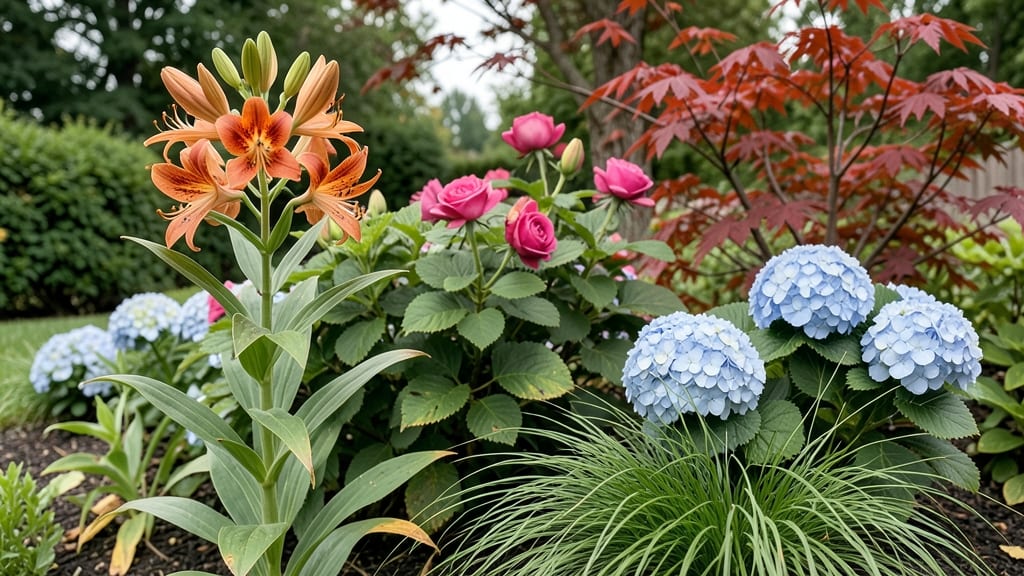
A Long Island garden thrives when it mirrors the island’s wild beauty—salt-tolerant grasses swaying in coastal breezes, cottage-style perennials spilling over stone walls, and pollinators buzzing between native blooms. 🌿 I’ve designed mine to handle humidity, salt spray, and sandy soil while keeping color going from spring tulips to late-fall asters.
The key? Layering plants that love Long Island’s climate without needing constant fuss.
The right plants make all the difference—think beebalm, coneflowers, and black-eyed Susans for pollinators, plus sea oats and switchgrass for windbreaks near shorelines. My front yard now bursts with color year-round, with minimal watering and zero chemical sprays.
Even the soil stays healthier because we’re working with nature, not against it.
By the end of summer, your garden could be a humming, blooming haven where hummingbirds dart between purple loosestrife and butterfly weed, while your neighbors ask for your secret. The best part? These plants handle Long Island’s heat, humidity, and even the occasional salt spray without breaking a sweat.
Whether you’re starting from scratch or refreshing an existing space, this approach works for cottage-style gardens, modern pollinator patches, or even small urban yards. Let’s make your garden as resilient as it is beautiful—Long Island style.
📚 In This Guide
- What you need
- Instructions
- Tips and common mistakes
- Wrapping up and next steps
What you need
- ● Native pollinator-friendly plants (5–10+ varieties): Perennials: Black-eyed Susan (Rudbeckia hirta), Purple Coneflower (Echinacea purpurea), Milkweed (Asclepias spp.)
- ● Annuals: Butterfly Weed (Asclepias tuberosa), Bee Balm (Monarda spp.), Salvia (Salvia spp.)
- ● Shrubs: Buttonbush (Cephalanthus occidentalis), Spirea (Spiraea spp.)
- ○ Soil amendments: Compost (1–2 bags, 40–60 lbs each), peat moss or coconut coir (optional for sandy Long Island soil)
- ● Mulch: Organic mulch (2–3 cubic feet, shredded bark or pine straw)
- ● Tools: Garden trowel (1)
- ● Pruners (1 pair, bypass for clean cuts)
- ● Garden fork (1, for aerating soil)
- ● Wheelbarrow (1, for hauling materials)
- ● Watering can or hose with adjustable nozzle (1)
- ● Water retention: Drip irrigation kit or soaker hoses (for drought-prone areas)
- ● Pollinator perches: Flat rocks or small logs for bees to rest
- ● Wildlife-friendly features: Bird bath (shallow, 1–2 inches deep) or a small pond liner (for butterflies)
- ● Seasonal color boosters: Spring: Crocus or Daffodils (bulbs, 10–20)
- ● Fall: Goldenrod or Asters (perennials, 3–5 plants)
- ○ Safety gear: Gardening gloves (1 pair), knee pads (optional)
How to design a Long Island garden for season-long pollinator-friendly color
This isn't just another flower bed—it's a thriving ecosystem that keeps bees buzzing from spring through frost.
🌱 Step 1: Plan Your Planting Zones by Bloom Time
Long Island's climate gives us four distinct bloom seasons, and smart layering ensures continuous color. Start by dividing your space into four zones: early spring (March-April), late spring (May), summer (June-August), and fall (September-October). I always begin with the earliest bloomers—like crocus and heuchera—in the front, then work backward with taller summer perennials like coneflower and black-eyed susan toward the back.
Here's the trick: plant 3-4 plants per square foot in odd-number groupings. This creates natural movement while giving pollinators easy access. I sketch my design on graph paper first, using 12-inch squares to represent each plant's mature size. This prevents overcrowding and makes maintenance easier later.
☀️ Step 2: Select Native and Adapted Pollinator Plants
Forget non-native annuals—they're pollinator deserts. Focus on native perennials and adapted varieties that thrive in Long Island's USDA Zone 7b conditions. Start with bee balm, purple coneflower, and butterfly weed—these are pollinator magnets. I supplement with salvia and Russian sage for late-season color when other plants fade.
Pay attention to flower shapes: tubular blooms attract hummingbirds, while flat-faced flowers welcome bees. Plant in 3-foot clusters to create visual impact and ensure pollinators find them easily. Group plants with similar water needs together—this saves time and prevents stress on your new garden.
💧 Step 3: Prepare Soil for Healthy Root Growth
Long Island's sandy loam drains too quickly for most perennials, so I always amend with 2 inches of compost mixed into the top 6 inches of soil. For clay-heavy areas, add 1 part perlite to 3 parts soil to improve drainage. Test your soil's pH—most pollinator plants prefer 6.0-7.0. If yours is off, add elemental sulfur to lower or lime to raise it gradually.
Dig planting holes twice as wide as the root ball but only as deep. This encourages roots to spread horizontally rather than settling too deep. Water each hole thoroughly before planting to help roots establish contact with moist soil. I always add a handful of mycorrhizal fungi to the bottom of each hole—this boosts root growth and disease resistance.
✂️ Step 4: Plant and Mulch for Season-Long Success
Set each plant so the top of the root ball sits ½ inch below soil level. This prevents stem rot while encouraging strong root growth. Backfill with native soil, pressing gently to remove air pockets. Water deeply immediately after planting to settle the soil and remove any gaps.
Apply 3 inches of mulch around each plant, keeping it 2 inches away from stems to prevent rot. I use shredded hardwood mulch because it breaks down slowly and improves soil structure over time. This layer conserves moisture, regulates soil temperature, and suppresses weeds—critical for Long Island's hot summers and cold winters.
🪴 Step 5: Maintain with Pollinator-Friendly Care
Water newly planted perennials 2-3 times per week for the first 4 weeks, then taper to 1 inch per week once established. Most pollinator plants are drought-tolerant once roots are deep, but young plants need consistent moisture. I water in the early morning to reduce evaporation and fungal diseases.
Deadhead spent blooms regularly to encourage more flowers, but leave some seed heads for winter interest and food for birds. In late fall, cut back perennial stems to 4-6 inches above ground level. This prevents flopping in winter winds and reduces pests. I mark each plant's location with biodegradable plant markers so I remember where everything is when spring arrives.
Tips & tricks for perfect Long Island pollinator gardens
Creating a thriving pollinator garden isn't just about planting flowers—it's about designing an ecosystem that works year-round. Here are the key strategies that have transformed my own garden into a buzzing haven.
Seasonal Layering Strategy: When planning your four bloom zones in Step 1, I recommend adding a fifth "filler" row of early spring bulbs like daffodils or tulips along the front edge. These provide instant color while your perennials establish, and their early blooms give bees their first food source of the year. The key is to stagger planting so each zone overlaps by about 2-3 weeks—this creates that magical continuous bloom effect.
Native Plant Selection: In Step 2, don't stop at the recommended pollinator magnets. I always add at least one ground cover like creeping thyme or wild strawberry to fill gaps and provide early spring forage. For late-season interest, incorporate native grasses like little bluestem—they add texture and seed heads that feed birds through winter. Remember that tubular flowers attract hummingbirds while flat-faced blooms welcome bees, so I typically plant them in alternating clusters.
Soil Preparation: The soil amendments in Step 3 are non-negotiable for Long Island's challenging conditions. For clay-heavy areas, I add an extra 1 inch of compost to the perlite mix to create better structure. When testing pH, aim for 6.5-7.0—this slight alkalinity helps prevent fungal diseases common in our humid summers. The mycorrhizal fungi step is particularly important; I mix a teaspoon of powdered mycorrhizae with the bottom of each hole for maximum root development.
Maintenance Shortcuts: In Step 5, I've found that installing a simple drip irrigation system pays for itself in the first season. Set it to deliver that 1 inch per week while you're away, and you'll never have to worry about underwatering or overwatering. For deadheading, I use pruning shears to snip just above a set of leaves—this encourages bushier growth while keeping the plant flowering. And those biodegradable markers? I make my own from popsicle sticks and paint pens to keep costs down.
Pro Tips for Long Island Garden
- Creating a thriving pollinator garden isn't just about planting flowers—it's about designing an ecosystem that works year-round.
- Seasonal Layering Strategy: When planning your four bloom zones in Step 1, I recommend adding a fifth "filler" row of early spring bulbs like daffodils or tulips along the front edge.
- Native Plant Selection: In Step 2, don't stop at the recommended pollinator magnets.
Frequently asked questions
Got questions about creating a vibrant, pollinator-friendly garden on Long Island?
Here’s what you need to know before diving in!
What’s the best time to plant a pollinator garden on Long Island?
For spring blooms, plant perennials in early spring (March–April) or fall (September–October). Annuals like cosmos or zinnia thrive when seeded after the last frost (mid-May). Fall-planted bulbs (e.g., crocus) often bloom earlier the next year!
How do I protect my garden from Long Island’s pests and deer?
Use deer-resistant plants like coneflowers or bee balm, and surround beds with thorny shrubs (e.g., barberry) or deer fencing. For pests, neem oil or row covers work wonders—just avoid synthetic chemicals to keep pollinators safe!
Can I create a pollinator garden in a small space (e.g., balcony or patio)?
Opt for container-friendly plants like lavender, salvia, or butterfly weed. Hang window boxes with annuals or use raised beds for perennials. Even a 5-gallon pot can support bees and butterflies!
How do I extend my garden’s bloom time all season?
Layer plants with successive blooming times: Start with early spring (e.g., bleeding heart), add summer stars (e.g., black-eyed Susans), and finish with fall favorites (e.g., asters or sedum). Mulch and water deeply to keep roots happy!
What if my soil isn’t ideal for pollinator plants?
Amend clay-heavy Long Island soil with compost or sand for drainage. For sandy soil, mix in peat moss or aged manure. Most pollinator plants tolerate average soil—just ensure it’s well-draining and slightly acidic to neutral (pH 6.0–7.0).
Will a pollinator garden attract stinging insects like wasps?
Not necessarily! Stinging insects prefer sweet, fermenting fruits or protein sources (like meat). Plant native flowers (e.g., milkweed, goldenrod) to draw beneficial bees instead. Keep food sealed and avoid overwatering to deter pests.
Wrapping up and next steps
Transforming your Long Island garden into a vibrant, pollinator-friendly haven is easier—and more rewarding—than you think! 🌸 With the right seasonal blooms, native plants, and a few thoughtful touches, you’ll create a space that thrives year-round while supporting bees, butterflies, and birds.
Start small, embrace the process, and watch your garden become a colorful, buzzing ecosystem.
Ready to take the next step? Pick one plant or project from this guide and get growing—your future pollinators will thank you! 🐝🌿