Tools
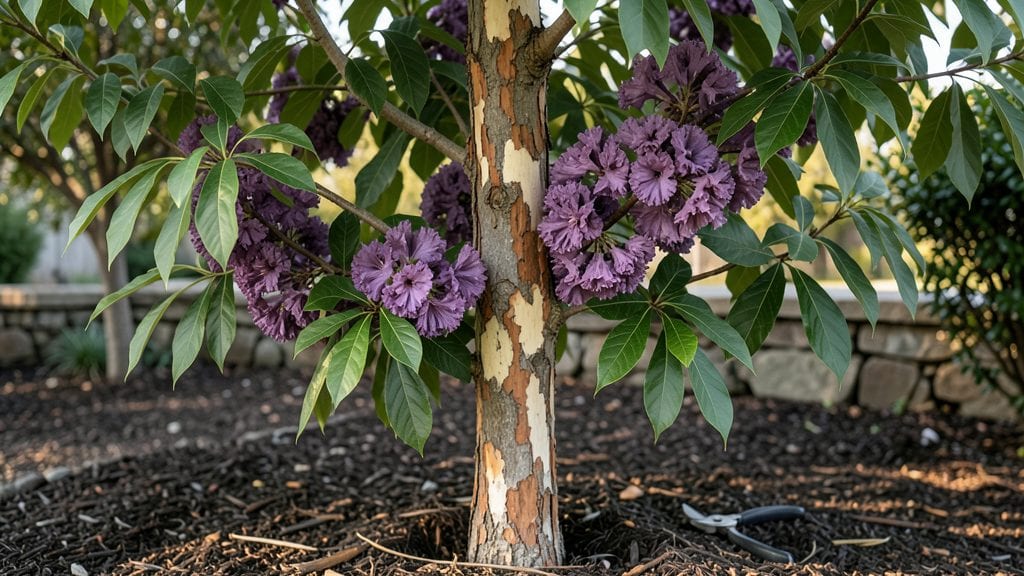
A crepe myrtle garden transforms any backyard into a fragrant, sun-drenched retreat with showstopping blooms that last from summer through fall. I planted mine along the fence line last spring, and now it's a lush, fragrant privacy screen that neighbors admire—and envy.
The secret isn't just choosing the right varieties (like 'Natchez' for height or 'Acoma' for compact blooms) but pairing them with plants that play off their colors and textures.
The magic happens in the layers: tall crepe myrtles anchor the scene, while understory plants like abelia or dwarf gardenias add softness and fragrance. Mulch with pine straw to keep roots cool and reduce weeds—my garden stays tidy with almost no maintenance.
You'll love how the bark peels naturally in winter, adding texture even when flowers fade.
By midsummer, your garden will burst with blooms in every shade from white to deep purple, and the air will hum with bees and butterflies. The best part?
These trees thrive in full sun and handle heat better than most—perfect for hot climates. I'll show you how to arrange them for maximum impact without overcrowding.
Whether you're creating a bold focal point or a subtle screen, crepe myrtles adapt to any style. They work alone as statement pieces or in groups for a natural woodland edge. Let's design a garden that blooms all season long—and keeps your neighbors reaching for their own pruners.
📚 In This Guide
- What you need
- Instructions
- Tips and common mistakes
- Wrapping up and next steps
What you need
- ● Crepe myrtle plants: 3–5 young trees (3–5 ft tall) for a small screen, or more for larger areas. Choose varieties like Lagerstroemia indica (dwarf, semi-dwarf, or standard sizes).
- ● Shovel or spade: 1 heavy-duty, 12–18" wide for digging holes.
- ● Garden trowel: 1 for transplanting smaller plants or amending soil.
- ● Measuring tape: 1 (25 ft) to mark spacing (plant 6–10 ft apart for full sun, closer for partial shade).
- ● Pruning shears: 1 pair (bypass or anvil type, 6–8" blades) for shaping and maintenance.
- ● Mulch: 2–3 bags (3–4 cu. ft. each) of pine straw, wood chips, or shredded bark (avoid dyed mulch).
- ● Compost or organic fertilizer: 1–2 bags (20–40 lb) of balanced 10-10-10 or slow-release granular fertilizer.
- ● Garden hose with nozzle: 1 (for watering).
- ● Wheelbarrow or bucket: 1 (5–7 gallon capacity) for mixing soil amendments.
- ● Soil test kit: 1 (to check pH and nutrient levels; crepe myrtles prefer slightly acidic to neutral soil (6.0–7.0)).
- ● Root stimulator: 1 bottle (e.g., Mycorrhizal fungi or seaweed extract) to boost transplant success.
- ● Drip irrigation system: 1 (for efficient watering, especially in hot climates).
- ● Stakes and twine: 1 pack (for supporting young trees if needed).
- ● Garden gloves: 1 pair (heavy-duty, waterproof).
- ● Post-hole digger: 1 (if installing a trellis or support structure).
- ● Decorative stones or edging: 1–2 bags (for defining garden borders).
How to create a fragrant crepe myrtle privacy screen
This is the method I use to establish a lush, fragrant privacy screen that thrives for decades.
Select and Prepare Planting Locations
Crepe myrtles need full sun—at least 6 hours of direct sunlight daily—to produce their signature blooms and dense growth. Mark your planting spots with stakes, spacing them 8-12 feet apart for mature size. The reason for this spacing is that crepe myrtles grow 10-20 feet tall and wide, so crowding them leads to weak stems and poor airflow.
Dig holes twice as wide as the root ball but no deeper. This allows roots to spread naturally without settling into compacted soil. Loosen the sides of each hole with a shovel to encourage root penetration. If your soil drains poorly, mix 2 inches of coarse sand into the bottom of each hole to improve drainage—crepe myrtles hate soggy roots.
Plant Bare-Root or Container-Grown Trees
For bare-root saplings, soak the roots in lukewarm water for 1-2 hours before planting to revive them. Position the tree so the top of the root ball sits 1-2 inches above ground level—this prevents rot when soil settles. Gently spread the roots outward and backfill with native soil, tamping lightly every 2 inches to remove air pockets.
If using container-grown trees, remove the plant from its pot and loosen any circling roots with your fingers. Place it in the hole so the root flare (where roots meet trunk) sits at ground level. Fill the hole halfway, water deeply, then finish backfilling. Water again until the soil settles—this ensures the tree stays upright while roots establish.
☀️ Step 3: Water Deeply and Mulch for Retention
Water each newly planted tree with 5 gallons of water to settle the soil and encourage root contact. After watering, spread 2-3 inches of mulch (like pine straw or wood chips) in a 3-foot diameter circle around the base. Keep mulch 6 inches away from the trunk to prevent rot. The mulch conserves moisture and regulates soil temperature, which is critical during the first 6-8 weeks while roots establish.
Water 2-3 times per week for the first month, then taper to once weekly once new growth appears. Overwatering now causes root rot, while underwatering stresses young trees. You’ll know moisture is right when the soil 1-2 inches down feels damp but not soggy—stick your finger in to check.
✂️ Step 4: Prune for Shape and Airflow
Prune in late winter or early spring before new growth begins. Remove dead, diseased, or crossing branches first—these compete with healthy growth. Then, cut back last year’s blooms to just above a leaf bud to encourage next year’s flowers. Avoid heavy pruning now; crepe myrtles bloom on new wood, so aggressive cuts reduce flowering.
Shape the tree by thinning out 10-20% of the canopy to improve airflow. This prevents fungal diseases and reduces pest pressure. You’ll see stronger stems and more abundant blooms within 2-3 years of proper pruning. Never "top" crepe myrtles by cutting the main stem—this creates weak, unsightly regrowth.
🌿 Step 5: Maintain Through the Growing Season
Fertilize once in early spring with a balanced, slow-release fertilizer (10-10-10) applied 6 inches from the trunk. Water deeply after fertilizing to help nutrients reach the roots. Avoid high-nitrogen fertilizers—they promote leafy growth at the expense of flowers. You’ll notice new leaves emerge within 2-3 weeks if fertilization was successful.
Monitor for pests like aphids or scale, which thrive on crepe myrtles. Treat infestations early with neem oil or insecticidal soap—wait until late afternoon to apply to avoid harming beneficial insects. By mid-summer, your screen will show dense foliage and fragrant blooms, signaling healthy establishment.
Tips & tricks for perfect crepe myrtle privacy screens
Creating a fragrant crepe myrtle privacy screen takes patience, but these tips will help you avoid common pitfalls and ensure your trees thrive for decades.
Sunlight is Non-Negotiable: In Step 1, when selecting locations, don't compromise on the 6 hours of direct sunlight. Crepe myrtles won't bloom properly without full sun, and you'll end up with leggy, weak trees. I've seen people plant them in partial shade and wonder why they never get those signature flowers. Trust me, mark those sunny spots carefully—it's the foundation of everything that follows. If your yard has shady areas, consider adding a different fast-growing shrub there instead.
Root Revival Matters: That 1-2 hour soak for bare-root saplings in Step 2 isn't just recommended—it's essential. I've planted trees without this step and watched them struggle for months to establish. The lukewarm water revives the roots and helps them absorb moisture immediately. Pro tip: Use rainwater if possible, as it's gentler than tap water which can contain chlorine that stresses young roots. Also, avoid soaking container-grown trees—they're already hydrated and need to dry out slightly before planting.
Mulching Strategy: The 2-3 inches of mulch in Step 3 should be your best friend during those critical first 6-8 weeks. But here's what nobody tells you—refresh that mulch layer every spring. Over time, mulch breaks down and loses its insulating properties. I like to top up with fresh pine straw in early April, just as new growth begins. Also, keep that mulch ring exactly 6 inches from the trunk—piling it against the base creates moisture that leads to rot. Think of it as a donut around your tree, not a mound.
Pruning Precision: When you're pruning in Step 4, focus on making clean cuts just above leaf buds. I always use sharp, sterilized pruners to prevent tearing the bark. The 10-20% canopy thinning is about quality, not quantity—remove branches that cross or grow inward first. And remember, those 2-3 years for full bloom recovery? That's why we're gentle now. Every time I see someone "top" a crepe myrtle, I cringe—it's like giving a tree a haircut that leaves it looking like a sad, stubby hedge. Be patient and you'll be rewarded with spectacular blooms.
Pro Tips for Crepe Myrtle Garden
- Creating a fragrant crepe myrtle privacy screen takes patience, but these tips will help you avoid common pitfalls and ensure your trees thrive for decades.
- Sunlight is Non-Negotiable: In Step 1, when selecting locations, don't compromise on the 6 hours of direct sunlight.
- Root Revival Matters: That 1-2 hour soak for bare-root saplings in Step 2 isn't just recommended—it's essential.
Frequently asked questions
Got questions about creating a stunning crepe myrtle garden?
Here are answers to the most common ones to help you plan with confidence!
When is the best time to plant crepe myrtles for a privacy screen?
Plant crepe myrtles in early spring (after the last frost) or fall (6–8 weeks before the first frost). This gives roots time to establish before extreme weather. Avoid planting in summer heat or winter cold, as stress can weaken young trees.
How much sunlight do crepe myrtles need for optimal growth?
Crepe myrtles thrive in full sun (6+ hours daily), but they tolerate partial shade (4–6 hours). Too little light reduces blooms and dense foliage. For a privacy screen, prioritize south- or west-facing spots to maximize growth and flowering.
Do crepe myrtles need pruning? How do I prune them correctly?
Yes! Prune in late winter or early spring to shape the tree and remove dead wood. Avoid "crepe murder" (over-pruning)—never cut into old wood or the trunk. Focus on thinning branches to improve airflow and encourage new growth.
What are some low-maintenance alternatives to crepe myrtles for a privacy screen?
Consider leucadendrons (drought-tolerant), italian cypress (fast-growing), or evergreen azaleas (year-round color). For fragrant options, try mock orange or jasmine. Choose based on your climate and soil type!
Why are my crepe myrtle leaves turning yellow or dropping?
Yellow leaves often signal overwatering, nutrient deficiency, or fungal issues (like powdery mildew). Check soil moisture (they prefer well-draining soil) and fertilize lightly in spring. If spots appear, treat with neem oil or fungicide.
Are crepe myrtles deer-resistant?
Not entirely! While deer may avoid them, they’ll nibble if hungry. Use repellents or plant deer-resistant companions like boxwoods or rosemary nearby. Young saplings are most vulnerable—protect them with wire mesh until established.
Wrapping up and next steps
Creating a crepe myrtle garden is a rewarding way to add fragrance, color, and privacy to your outdoor space—all while enjoying low-maintenance beauty year-round! 🌸 From selecting the perfect varieties to mastering pruning and companion planting, every step brings you closer to a lush, vibrant retreat.
Whether you’re a seasoned gardener or just starting, the key is patience and a little creativity.
Now that you’re armed with tips and tricks, roll up your sleeves and get planting! Start small with a single tree, or go big with a full privacy screen—your future garden oasis awaits. Happy gardening! 🌿✨