
Tools
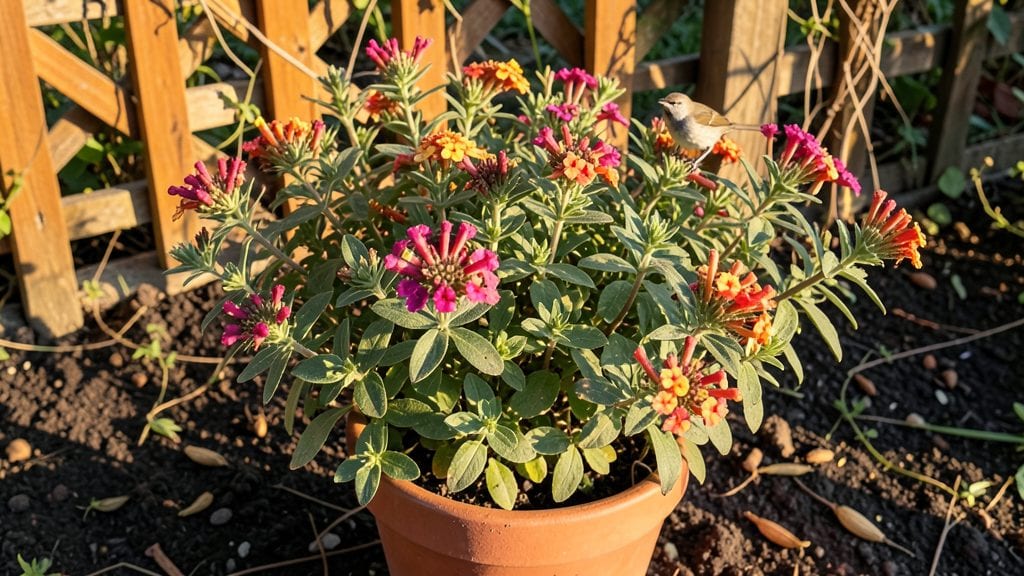
A backyard summer garden that hums with bees and bursts with color isn’t just possible—it’s easier than you think. 🌸 I’ve designed mine to thrive all season long, using plants that repel pests naturally while feeding pollinators.
The key? Heat-loving perennials paired with annuals that bloom nonstop, plus a layout that keeps maintenance simple.
Start with a mix of sun-loving annuals like zinnias and salvias, which attract butterflies and bees, alongside hardy perennials such as coneflowers and black-eyed Susans. Add herbs like lavender and rosemary—they’re drought-resistant and smell incredible.
For layout, raised beds or containers work best; they warm up faster in spring and drain well during summer storms.
By mid-July, your garden will be a riot of purple, pink, and gold, with bees buzzing from flower to flower. The best part? Less weeding and watering than traditional gardens.
I’ll show you how to space plants for airflow, choose mulch that locks in moisture, and even sneak in a few edibles like heat-tolerant peppers.
Works for small yards or sprawling backyards—just adjust the scale. Whether you’re hosting summer dinners or just enjoying the view, this garden does the heavy lifting while you relax. Let’s make it happen!
📚 In This Guide
- What you need
- Instructions
- Tips and common mistakes
- Wrapping up and next steps
What you need
- ● Native pollinator-friendly seeds: 1 lb Coneflower (Echinacea) seeds
- ● 1 lb Black-eyed Susan (Rudbeckia) seeds
- ● ½ lb Milkweed (Asclepias) seeds (critical for monarchs!)
- ● ½ lb Bee balm (Monarda) seeds
- ● ½ lb Lavender (Lavandula) seeds
- ● Soil & amendments: 50 lbs well-draining potting mix (or garden soil + compost)
- ● 10 lbs compost or worm castings
- ● 1 lb slow-release organic fertilizer (e.g., 10-10-10)
- ● Watering & maintenance: Garden hose with adjustable nozzle (or drip irrigation kit)
- ● Watering can (5-gallon capacity)
- ● Mulch (straw or shredded bark, 2-3 inches)
- ● Pollinator water station (shallow dish + pebbles)
- ● Hand pruners (for deadheading)
- ● Knee pads or small stool (for easy planting)
- ● Birdbath or butterfly puddle station
- ● Garden markers (for seedling labels)
Step-by-Step instructions for designing a backyard summer garden
This vibrant summer garden thrives on pollinator-friendly blooms that keep color alive all season.
🌱 Step 1: Plan Your Pollinator-Friendly Layout
Start by sketching a simple layout that includes sun-loving perennials and annuals in clusters of 3-5 plants each. I always group flowers by color families—purples with purples, reds with reds—to create visual impact and attract specific pollinators. Place taller plants like coneflowers or black-eyed Susans at the back, with shorter blooms like salvia or marigolds in front.
Leave walkways of 18-24 inches between clusters for easy maintenance. Mark your design with stakes and twine so you know exactly where to plant. This prevents overcrowding and ensures every bloom gets the sunlight it needs for continuous color.
🪴 Step 2: Prepare the Soil for Season-Long Blooms
Loosen the top 6 inches of soil with a garden fork to break up compaction and improve drainage. Mix in 2-3 inches of compost to enrich the soil naturally—this feeds roots and encourages strong growth. I like to add a slow-release granular fertilizer (like 10-10-10) at a rate of 1 pound per 100 square feet to give plants a nutrient boost for the entire season.
Rake the area smooth and level it out. Avoid tilling too deeply—this can disrupt beneficial soil organisms. Instead, focus on creating a loose, crumbly texture that lets roots spread easily.
☀️ Step 3: Plant Pollinator Magnet Flowers
Dig holes twice as wide as the root ball and just as deep for each plant. Space perennials 18-24 inches apart and annuals 12-18 inches apart to allow room for growth. Gently remove plants from their containers and tease the roots apart if they’re circling tightly—this encourages them to spread into the new soil.
Fill the holes with soil, pressing lightly around the base to eliminate air pockets. Water deeply right after planting to settle the soil and remove any gaps. I always add a 1-inch layer of mulch around each plant (but not touching the stems) to retain moisture and keep weeds at bay.
💧 Step 4: Water and Maintain for Continuous Color
Water deeply 2-3 times per week during the first month to establish strong roots. After that, aim for 1 inch of water per week, either from rainfall or irrigation. Early morning watering prevents fungal diseases and ensures blooms stay dry for longer-lasting color.
Deadhead spent flowers regularly to encourage more blooms and extend the season. For perennials like bee balm or butterfly weed, I snip back faded stems in late summer to promote fresh growth. This keeps the garden looking vibrant and attracts pollinators all the way into fall.
✂️ Step 5: Add Seasonal Touches for Long-Lasting Beauty
Every 4-6 weeks, fertilize lightly with a balanced liquid fertilizer to keep blooms abundant. I also intersperse fast-growing annuals like zinnia or cosmos in late summer to fill gaps and extend color as perennials start to fade.
Watch for pests like aphids or Japanese beetles—spray with neem oil if needed, but avoid harsh chemicals that can harm pollinators. A healthy garden with diverse plants rarely has major issues, but staying vigilant keeps everything thriving.
Tips & tricks for designing a backyard summer garden
Creating a pollinator-powered garden that bursts with color all season takes a few strategic moves—here’s how to make it thrive without the guesswork.
Color Family Strategy: Grouping flowers by color families isn’t just pretty—it’s a pollinator magnet! Bees and butterflies are naturally drawn to specific hues, so placing purples together (like lavender and coneflowers) and reds together (like salvia and bee balm) creates visual impact AND attracts the right winged visitors. I’ve seen hummingbirds zero in on red clusters within seconds!
Soil Prep Game-Changer: The 6-inch soil loosening in Step 2 isn’t just about breaking up compaction—it’s about creating an oxygen-rich zone for roots. For heavy clay soil, mix in 1 part sand to that 2-3 inches of compost to improve drainage. I’ve had gardens where roots struggled in pure clay until I made this adjustment, and the difference in plant vigor is night and day.
Planting Depth Secret: Digging holes twice as wide as the root ball (as in Step 3) might seem excessive, but it’s crucial for root expansion. The wider hole lets roots spread out immediately rather than circling tightly in compacted soil. For container-grown plants, gently tease those roots apart—it’s like giving them a spa day before they settle in!
Watering Wisdom: That 1-inch weekly watering target in Step 4 sounds simple, but timing matters. Water in the early morning so blooms dry quickly—wet flowers at night invite fungal problems. I use a rain gauge to track rainfall so I don’t overwater when Mother Nature’s already helping out.
Pro Tips for Backyard Summer Garden
- Creating a pollinator-powered garden that bursts with color all season takes a few strategic moves—here’s how to make it thrive without the guesswork.
- Color Family Strategy: Grouping flowers by color families isn’t just pretty—it’s a pollinator magnet!
- Soil Prep Game-Changer: The 6-inch soil loosening in Step 2 isn’t just about breaking up compaction—it’s about creating an oxygen-rich zone for roots.
Frequently asked questions
Got questions about creating a pollinator-powered summer garden? We’ve got answers!
Whether you're a beginner or a seasoned gardener, these FAQs will help you plan, troubleshoot, and enjoy your backyard oasis all season long.
What are the best pollinator-friendly plants for a summer garden?
Opt for native flowers like coneflowers, milkweed, bee balm, and sunflowers. These attract bees, butterflies, and hummingbirds while thriving in summer heat. Avoid hybrids with double blooms—they lack pollen! Pair them with herbs like lavender and basil for extra pollinator appeal. Pro tip: Group plants by color to create "pollinator highways" for easy navigation.
When is the ideal time to plant a summer garden?
For most regions, plant after the last frost date (usually late spring) but before extreme summer heat sets in. Start seeds indoors 4–6 weeks beforehand for warm-season crops like tomatoes and peppers. If your area has mild winters, you can even plant cool-season greens in fall for a second harvest. Check your local frost dates to time it perfectly!
How do I keep my summer garden from drying out?
Mulch heavily with straw or wood chips to retain moisture and cool roots. Water deeply 2–3 times per week (early morning is best) rather than daily shallow watering. Drip irrigation or soaker hoses work wonders. For container gardens, use self-watering pots or add moisture-retaining crystals to the soil. Bonus: Plant drought-tolerant succulents like sedum to reduce watering needs.
What should I do if pests invade my summer garden?
Start with prevention: Encourage natural predators like ladybugs and lacewings by planting dill, fennel, or marigolds. For mild infestations, handpick pests or use neem oil. Avoid chemical pesticides—they harm pollinators! If aphids or caterpillars strike, blast them off with water or introduce beneficial nematodes for organic control. Act fast: Early intervention saves your plants!
Can I grow a pollinator garden in a small space or balcony?
Use containers, vertical planters, or window boxes to grow flowers like nasturtiums, petunias, or window-box herbs. Even a single pot of basil or sunflowers can attract bees. Hang pollinator-friendly baskets with trailing flowers like lobelia to maximize space. Tip: Choose compact varieties and rotate plants seasonally for year-round blooms.
Wrapping up and next steps
Creating a backyard summer garden that thrives with pollinator-friendly blooms is easier—and more rewarding—than you think! 🌸 With the right plants, a little planning, and a touch of creativity, you’ll enjoy season-long color while supporting bees, butterflies, and hummingbirds.
Whether you’re a green-thumb beginner or a seasoned gardener, every small step makes a big difference for nature.
Ready to dive in? Start by sketching your dream garden—pick a sunny spot, gather your supplies, and let the magic begin! Your pollinator paradise awaits. 🌻