
Tools
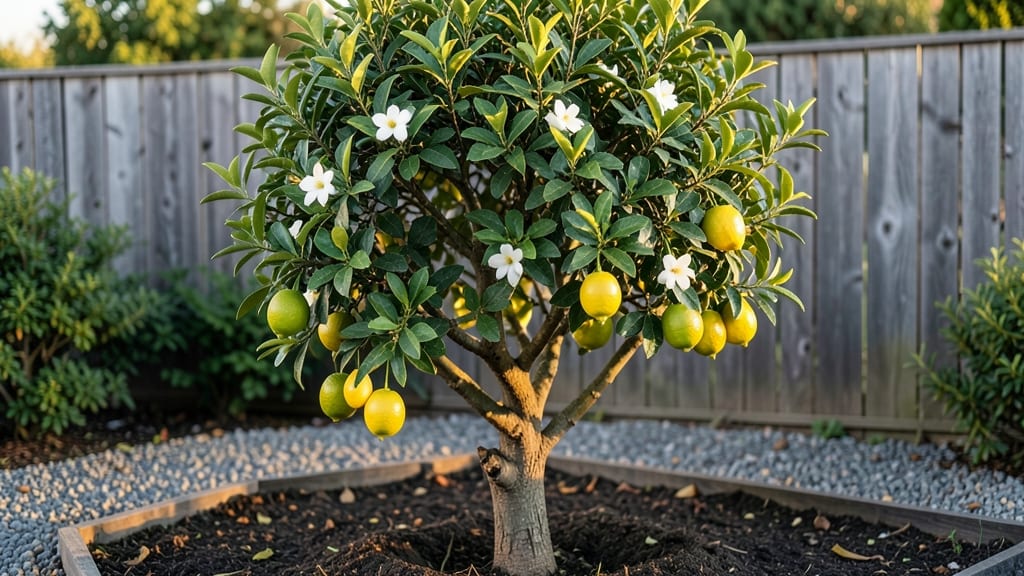
A lemon tree garden brings sunshine to your space, even in a tiny patio. 🌿 I’ve turned my balcony into a fragrant citrus oasis where lemons ripen year-round, and the secret lies in pairing the right varieties with smart design.
The trick isn’t just finding dwarf trees—it’s creating a microclimate that mimics their Mediterranean roots, whether you’re in a container or in-ground spot.
Start with a sun-drenched corner and well-draining soil—lemon trees hate soggy roots. Mix in compost for that rich, citrusy scent, and choose companion plants like rosemary or lavender to repel pests while adding texture.
My 4-foot-tall Meyer lemon tree thrives beside a tall bamboo screen, creating a tropical vibe that hides neighbors’ views while keeping the fruit safe from birds.
By summer, you’ll be plucking bright yellow lemons straight from the tree, their scent mingling with the rustle of silver-blue foliage. The best part? This setup works in USDA Zones 9-11 or as a winter-protected container garden elsewhere.
Even in small spaces, a lemon tree garden turns ordinary yards into sunny, productive retreats—no orchard required.
Want to match your garden style? Mediterranean gardens love the sleek, silvery look of lemons paired with terracotta pots, while tropical designs let them spill over wooden planters with orchids. Here’s how to make it work for your space—without sacrificing that zesty harvest.
📚 In This Guide
- What you need
- Instructions
- Tips and common mistakes
- Wrapping up and next steps
What you need
- ● Lemon Tree Sapling: 1 dwarf or Meyer lemon tree (3–5 ft tall, best for small spaces). Choose a container-friendly variety like 'Improved Meyer' or 'Eureka'.
- ● Containers (if potted): 1–3 large pots (15–25 gallons each) with drainage holes. Use terracotta or fabric grow bags for optimal airflow.
- ● Well-Draining Soil: 5–10 bags of citrus-specific potting mix (or a blend of 60% peat moss, 20% perlite, and 20% compost). Avoid garden soil—it’s too dense!
- ● Fertilizer: 1 bottle of citrus-specific fertilizer (balanced NPK, 6-6-6 or 8-3-9) or organic options like fish emulsion.
- ● Mulch: 1 bag of organic mulch (pine bark or straw) to retain moisture and regulate temperature.
- ● Watering Can or Hose: With a gentle spray nozzle to avoid damaging leaves.
- ● Pruning Shears: Sharp, sterilized shears (small, 4–6 inch blades) for trimming.
- ○ Support Stakes (optional for potted trees): 1–2 bamboo or metal stakes (3–4 ft tall) to secure young trees.
- ● Grow Lights: 1–2 full-spectrum LED grow lights (for indoor setups or winter sun deprivation).
- ● pH Test Kit: To monitor soil acidity (ideal range: 6.0–7.0).
- ● Pest Control: Neem oil or insecticidal soap for aphids/spider mites.
- ● Drip Irrigation System: For automated watering in larger gardens.
- ● Thermometer/Hygrometer: To track temperature (60–85°F ideal) and humidity (40–60%).
How to cultivate a thriving lemon tree in containers
Here’s my battle-tested approach to growing a productive lemon tree in limited space—no greenhouse required.
🌱 Step 1: Select the Right Variety and Container
Choose a dwarf variety like ‘Meyer’ or ‘Improved Meyer’—they’re compact, cold-hardy, and produce sweet, fragrant fruit. Your 5-gallon container should have drainage holes (no exceptions) and be at least 12 inches deep to accommodate root growth. I use terra cotta because it breathes and prevents root rot, but any unglazed pot works.
Fill the bottom 2 inches with 3 inches of gravel or coarse perlite to create a drainage layer. This prevents waterlogging, which is the #1 killer of container-grown citrus. Skip the gravel if your pot has excellent drainage, but I’ve seen roots rot in just 3 weeks without it.
🌿 Step 2: Prepare the Soil Mix for Optimal Drainage
Combine 3 gallons of potting mix with 1 gallon of perlite and 1 cup of coarse sand for a well-draining blend. Citrus hates soggy roots, so this mix mimics the fast-draining soil of Mediterranean climates. Stir in 1 tablespoon of slow-release citrus fertilizer (14-14-14 ratio) to give your tree a nutrient boost at planting.
Moisten the mix until it’s damp but not dripping—think of a wrung-out sponge. Overwatering now will compact the soil and suffocate roots before they even start. Tap the pot gently on the table to settle the mix without compacting it further.
☀️ Step 3: Plant and Position for Maximum Sunlight
Dig a hole in the center of the pot twice as wide as the root ball but no deeper. Gently remove your lemon tree from its nursery pot and loosen the roots if they’re circling. Place it in the hole, ensuring the graft union (the bump where the top and rootstock meet) sits 1 inch above soil level. This prevents rot and encourages strong top growth.
Backfill with the soil mix, pressing lightly to remove air pockets. Water deeply until it drains from the holes below. Move your tree to a spot with full sun (6-8 hours daily)—a south-facing window or patio works. If you’re in a cooler climate, a grow light for 12 hours daily keeps it thriving year-round.
💧 Step 4: Water and Fertilize for Consistent Growth
Water when the top 2 inches of soil feel dry—stick your finger in to check. Lemon trees need moderate moisture, not soggy soil. I water mine every 5-7 days in summer and every 10-14 days in winter, adjusting for humidity. Overwatering causes yellow leaves, while underwatering leads to small, bitter fruit.
Fertilize every 4-6 weeks during growing season (spring through fall) with liquid citrus fertilizer diluted to half strength. In winter, cut back to once every 8 weeks—citrus trees rest, and over-fertilizing now burns roots. You’ll see new growth within 2-3 weeks of consistent feeding.
✂️ Step 5: Prune and Protect for Year-Round Fruit
Prune in late winter or early spring before new growth starts. Remove dead, crossing, or crowded branches with sterilized pruning shears, cutting just above a leaf node. This encourages airflow and prevents fungal diseases. I also trim back leggy growth to 6-8 inches to maintain a compact shape—your tree will bush out within a month.
Watch for aphids or scale on new leaves. Spray with neem oil (1 tablespoon per quart of water) if you spot sticky residue or tiny insects. Protect your tree from frost by moving it indoors or covering it with a frost blanket—lemon trees can’t handle temps below 25°F without damage.
Tips & tricks for perfect lemon tree cultivation
Here's what I've learned from years of growing thriving lemon trees in containers—these tricks make all the difference in small-space citrus gardening.
Drainage is Non-Negotiable: The 2-inch gravel layer in Step 1 isn't just recommended—it's essential. I've seen roots rot in just 3 weeks without proper drainage. If your pot has exceptional drainage, you might skip the gravel, but never skip the perlite in your soil mix. For extra insurance, I add a layer of landscape fabric above the gravel to prevent soil from clogging the drainage holes over time.
Soil Mix Secrets: When preparing your 3:1:1 ratio of potting mix to perlite to sand in Step 2, don't skimp on the sand. Coarse sand mimics Mediterranean soil conditions perfectly. I like to pre-mix my soil components in a large bin so I can quickly adjust the moisture level by adding more perlite if needed—this prevents the compacting that suffocates roots.
Light Requirements Matter: Those 6-8 hours of sunlight in Step 3 are critical, but quality matters more than quantity. If your tree isn't getting direct sun, supplement with a grow light for 12 hours daily. I've found that LED grow lights with full-spectrum bulbs work best—they're energy-efficient and won't overheat your tree. Position the light 6-12 inches above the foliage for optimal coverage.
Frost Protection Strategy: The 25°F threshold in Step 5 is absolute—any colder and you risk severe damage. I've learned this the hard way! For extra protection, move your tree to a garage or sunroom where temperatures stay above freezing. If that's not possible, wrap the pot in bubble wrap before covering with a frost blanket. The double layer traps more heat and prevents temperature fluctuations that can stress the tree.
Pro Tips for Lemon Tree Garden
- Here's what I've learned from years of growing thriving lemon trees in containers—these tricks make all the difference in small-space citrus gardening.
- Drainage is Non-Negotiable: The 2-inch gravel layer in Step 1 isn't just recommended—it's essential.
- Soil Mix Secrets: When preparing your 3:1:1 ratio of potting mix to perlite to sand in Step 2, don't skimp on the sand.
Frequently asked questions
Got questions about growing your own lemon tree garden? You’re not alone—here are some of the most common queries to help you get started with confidence!
How much sunlight does a lemon tree need?
A lemon tree thrives in 6–8 hours of direct sunlight daily. If you’re growing indoors or in a shaded spot, supplement with a grow light (12+ hours) to prevent weak growth. South-facing windows or a sunny patio are ideal! Pro tip: Rotate pots occasionally for even exposure.
How long does it take for a lemon tree to bear fruit?
Patience is key! Dwarf varieties may produce fruit in 2–3 years, while standard trees take 3–5 years. Factors like sunlight, soil quality, and care (like regular pruning) speed up the process. Fun fact: Some trees bloom but drop flowers—keep fertilizing to encourage fruiting!
Can I grow a lemon tree in a pot year-round?
Lemon trees adapt well to containers, even in small spaces. Use a 15–20 gallon pot with drainage holes and well-draining soil. Move pots indoors (near a sunny window) when temps drop below 40°F (4°C). Watch out: Overwatering in winter can harm roots.
What pests should I watch for in a lemon tree garden?
Common culprits include aphids, spider mites, and scale insects. Early signs? Sticky leaves (honeydew) or yellowing foliage. Treat with neem oil or insecticidal soap. For severe infestations, prune affected branches and quarantine the tree. Prevention tip: Inspect leaves weekly!
Do lemon trees need special soil?
Yes! Use a well-draining, slightly acidic mix (pH 6.0–7.0). Combine potting soil, perlite, and compost (ratio 2:1:1). Avoid heavy clay soil—it causes root rot. For repotting, upgrade pots by 2–3 inches every 2–3 years to accommodate growth.
Wrapping up and next steps
Creating a lemon tree garden in small spaces isn’t just possible—it’s a rewarding way to enjoy fresh, homegrown citrus year-round! 🌱 With the right tools, patience, and care, you’ll harvest vibrant lemons while transforming even the tiniest balcony or patio into a fragrant oasis.
Whether you’re a beginner or a seasoned gardener, this project is your ticket to a burst of sunshine in every season.
Ready to take the next step? Start by planting your first lemon tree this weekend—your future self (and taste buds!) will thank you. 🍋✨