Tools
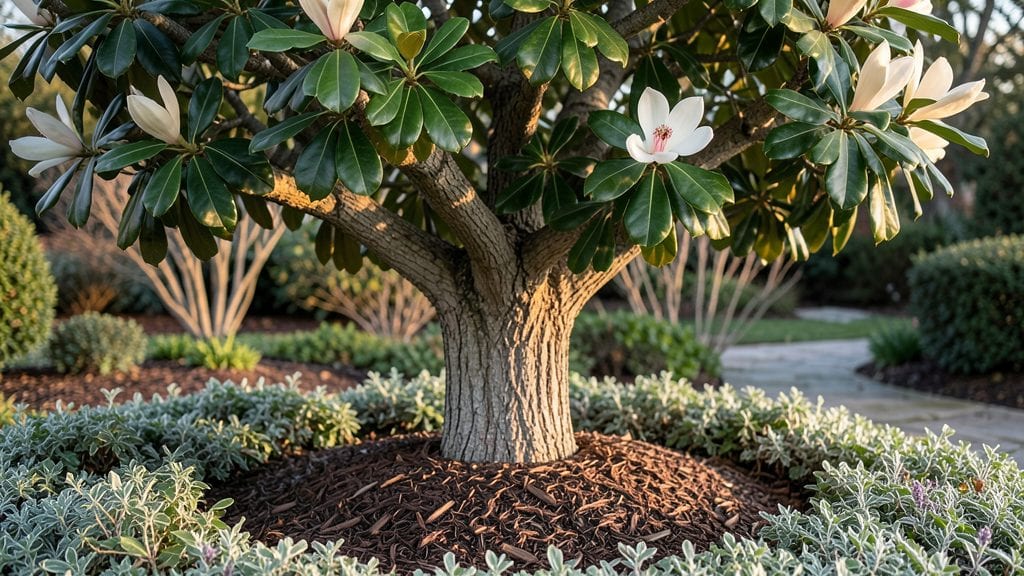
Creating a tree garden bed turns underused vertical space into a lush, layered oasis—even in tiny backyards. I designed mine around a dwarf apple tree, and now I’m harvesting fruit while shading my patio.
The key is choosing the right tree for your space and climate, then layering plants that thrive in its dappled light.
Start with soil prep: mix in compost to give roots room to spread, and pick companion plants that love shade. Ferns, hostas, and wild ginger add texture, while bulbs like daffodils pop through the leaf litter in spring.
My setup uses a 5-foot radius around the tree trunk, but you can scale it down for containers if needed.
By summer, you’ll have a thriving understory that feels like a secret garden. The tree provides structure, while the layered plants create movement and color. Maintenance is minimal—just mulch once a year and prune lightly to keep the canopy open for sunlight.
Works for any yard size, from urban balconies with potted trees to sprawling orchards. The magic happens over time, so be patient—your garden bed will evolve into a self-sustaining ecosystem. Ready to transform that empty corner?
📚 In This Guide
- What you need
- Instructions
- Tips and common mistakes
- Wrapping up and next steps
What you need
- ● Container or Vertical Planter: 1–3 tree pockets (pre-made or DIY using fabric or wooden boxes)
- ● OR a wall-mounted planter (e.g., 2–3 ft tall, 12–18" deep)
- ● Soil: 1–2 5-gallon bags of high-quality potting mix (well-draining, organic)
- ○ Optional: Perlite or vermiculite (1 cup) for aeration
- ● Drainage: 1–2 pots with drainage holes (if using individual pockets)
- ● Gravel or landscape fabric (for bottom layer, ~1–2" thick)
- ● Tools: Trowel or small shovel
- ● Measuring tape
- ● Drill (if mounting to a wall)
- ● Screws & wall anchors (for secure mounting)
- ● Fertilizer: Slow-release granules or liquid fertilizer for young trees
- ● Mulch: Shredded bark or coconut coir to retain moisture
- ● Trellis or stakes: For dwarf fruit trees or vining plants
- ● Drip irrigation kit: Automated watering for convenience
- ● Decorative elements: Paint, pebbles, or solar lights for flair
How to create a tree garden bed for small yards
This space-saving design lets you grow full-sized trees without sacrificing your lawn or garden space.
Choose and Prepare the Site
Select a location with at least 6 hours of direct sunlight daily—trees need plenty of light to establish strong roots. I like to place mine near the house or along a fence to maximize vertical growth while keeping them accessible. Clear the area of grass, weeds, and debris down to at least 12 inches deep so roots can spread freely.
For 4 trees, mark a 4-foot by 4-foot square for each planting zone, spacing them 8-10 feet apart to allow mature root systems to develop without competing. If your yard has rocky soil, loosen the top 6 inches with a shovel to improve drainage and aeration. This step ensures your trees won’t struggle later when their roots need room to grow.
Dig and Amend the Planting Holes
For each tree, dig a hole twice as wide as the root ball but only as deep as the container the tree came in. This prevents burying the trunk too deeply, which can cause rot. I like to mix 3 gallons of compost into the native soil removed from each hole—this gives roots a nutrient boost right from the start.
If your soil is heavy clay, blend in 1 gallon of perlite or coarse sand to improve drainage. Tap the sides of the hole gently to settle the amended soil before planting. The goal is loose, fertile soil that encourages root expansion. Avoid compacting it too much, or roots will struggle to penetrate downward.
Plant the Trees at the Right Depth
Remove the tree from its container and gently loosen any circling roots with your fingers. Place it in the hole so the top of the root ball sits level with the surrounding soil—never deeper. Fill the hole with the remaining amended soil, pressing lightly as you go to eliminate air pockets. Water deeply to settle everything into place.
I always add a 1-inch layer of mulch around the base (but not touching the trunk) to retain moisture and suppress weeds. Use 4 cubic feet of mulch total for all four trees, keeping it 3-4 inches thick. This layer protects roots from temperature swings and keeps the soil consistently moist during dry spells.
Support and Train for Vertical Growth
Install 3-foot tall tree stakes for each tree, positioning them 4-6 inches from the trunk on the side facing prevailing winds. Use soft tree ties (not wire) to secure the tree to the stake without restricting growth. This gives young trees stability while they establish roots. I like to angle stakes slightly outward to encourage straight upward growth.
Prune any broken or crossing branches with clean, sharp pruners, cutting just above a leaf bud. Remove no more than 10-15% of the tree’s foliage at planting—this reduces stress. Water each tree once a week for the first month, providing 1 gallon per inch of trunk diameter. You’ll know they’re getting enough water when the soil stays 2-3 inches deep and feels moist but not soggy.
Maintain Through the First Year
Check soil moisture every 3-4 days during hot weather, watering deeply when the top 1-2 inches feel dry. Fertilize in early spring with a balanced, slow-release fertilizer (like 10-10-10) applied 6 inches away from the trunk. Spread 2 pounds total for all four trees, working it into the top 2 inches of soil.
Monitor for pests like aphids or spider mites—you’ll spot them as tiny webs or sticky residue on leaves. Treat early with neem oil spray if needed. By the end of the first year, your trees should show strong new growth and a sturdy trunk. This means they’ve successfully established their root systems and are ready for long-term care.
Tips & tricks for perfect tree garden beds
Creating a successful tree garden bed in small spaces takes thoughtful planning—here are the key tricks to ensure your trees thrive from day one.
Location is Everything: The 6 hours of direct sunlight requirement is non-negotiable for healthy tree growth. I recommend placing your garden bed near a south-facing wall or fence where trees can receive maximum light without competing with your lawn. If your yard has afternoon shade, position the taller trees on the north side of the bed to prevent shading smaller plants. Also consider prevailing winds—trees on the windward side will need extra support during their first growing season.
Soil Preparation Matters: When amending the planting holes with 3 gallons of compost per tree, don't skimp on quality. I use well-aged compost with a mix of organic matter for best results. For clay-heavy soils, the 1 gallon of perlite or coarse sand makes all the difference in preventing waterlogging. After mixing, gently tap the sides of the hole to settle the amended soil—this creates ideal conditions for root expansion without compacting too tightly.
Planting Depth is Critical: Getting the planting depth right in Step 3 prevents many common problems. The top of the root ball should sit exactly level with the surrounding soil—never deeper. I use a small wooden stake as a reference point when planting multiple trees to ensure consistent depth. After filling the hole, press the soil lightly around the roots to eliminate air pockets, then water deeply to help settle everything into place.
Mulching Strategy: The 1-inch layer of mulch around each tree's base (but not touching the trunk) serves multiple purposes. I use a mix of wood chips and straw for moisture retention and weed suppression. Maintain the 3-4 inch thickness around all four trees to create a consistent microclimate that protects roots from temperature extremes. Refresh the mulch layer annually to maintain its effectiveness throughout the growing season.
Pro Tips for Tree Garden Bed
- Creating a successful tree garden bed in small spaces takes thoughtful planning—here are the key tricks to ensure you...
- Location is Everything: The 6 hours of direct sunlight requirement is non-negotiable for healthy tree growth. I recom...
- Soil Preparation Matters: When amending the planting holes with 3 gallons of compost per tree, don't skimp on quality...
Frequently asked questions
What’s the best time of year to plant a tree garden bed?
The ideal time is early spring or fall when temperatures are mild, and rainfall is consistent. Avoid extreme heat or frost, which can stress young roots. If planting in summer, water deeply daily and provide shade to reduce transplant shock.
Are tree garden beds expensive to set up?
Costs vary! Basic setups (pots, soil, and small trees) can start under $50, while premium systems with irrigation or large trees may reach $200+. Repurpose materials like pallets or old containers to save money. Check local nurseries for sales on saplings too!
Can I use a tree garden bed for vegetables or just trees?
While designed for trees, you can combine them with shallow-rooted veggies like lettuce or herbs in the surrounding soil. Avoid deep-rooted plants (e.g., carrots) near the tree’s base. Use containers for veggies to keep roots separate and reduce competition.
What if my tree isn’t growing after planting?
Check these first:
- Watering: Ensure 1–2 inches of water weekly (more in heat).
- Soil: Test pH—trees like 6.0–7.0. Amend with compost if needed.
- Sunlight: Most trees need 6+ hours/day. Adjust placement if leaves yellow.
- Pests: Inspect for aphids or mites; treat with neem oil if spotted.
How do I maintain a tree garden bed in a small urban space?
Keep it tidy with these tips:
- Prune dead branches in late winter to encourage growth.
- Mulch annually to retain moisture and suppress weeds.
- Fertilize lightly in spring (use organic options like fish emulsion).
- Monitor for root binding—repot every 2–3 years if roots circle the container.
Wrapping up and next steps
Creating a tree garden bed is a game-changer for small yards—it’s eco-friendly, space-efficient, and packed with charm! Whether you’re a gardening newbie or a green thumb, this vertical solution lets you grow lush greenery without sacrificing precious square footage. 🌿
Ready to transform your space? Start small with a single tree or expand with companion plants—your outdoor oasis awaits! Grab your tools, sketch a plan, and get growing! 🌱