
Planting
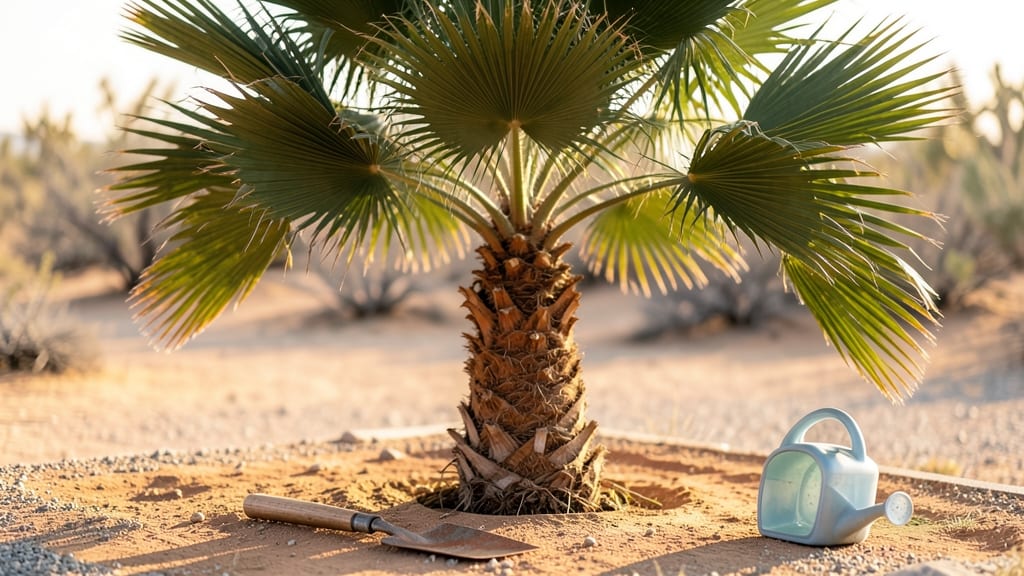
Gardening in Las Vegas falls under USDA Hardiness Zones 9a to 10a, where extreme heat and dry conditions demand careful plant selection and water management. Opt for desert-adapted plants like succulents and cacti, avoid frost-sensitive varieties, and prioritize deep, infrequent watering with mulch to conserve moisture.
Las Vegas's USDA Zones 9a-10a mean summer temperatures often hit 110°F+, while winter dips to 30°F—a dramatic swing that shapes which plants thrive. 🔥 The key is choosing species with deep root systems to access groundwater, like desert marigolds or agave, which naturally store moisture.
I’ve seen firsthand how even drought-tolerant plants struggle without proper mulching—the right layer can cut evaporation by up to 70%. Native varieties like palo verde trees also require minimal irrigation once established, making them ideal for water-conscious gardeners.
For urban yards, consider low-maintenance alternatives like Russian sage or yucca plants, which handle both heat and poor soil. The spring planting window (March–April) is critical—cooler temps help roots establish before summer’s intensity.
Pro tip: Group plants with similar water needs to simplify irrigation schedules, and always water in the early morning to reduce evaporation.
💡 In This Article
- Understanding Las Vegas Climate Zones and Plant Survival
- Best Drought-Tolerant Plants for Las Vegas Gardens
Understanding Las Vegas climate zones and plant survival
Las Vegas's USDA Zones 9a-10a create a unique challenge: summers regularly exceed 110°F, while winters can drop to 30°F—a 140°F annual swing that forces plants to adapt or perish. The key lies in how these extremes shape plant biology.
Desert species like agave and ocotillo thrive because their thick, waxy leaves reduce water loss, while deep root systems (often extending 10+ feet) tap into groundwater. This adaptation explains why tropical plants fail—they lack the structural defenses for such temperature volatility.
The 300+ days of sunshine in Las Vegas create another critical factor: intense solar radiation. Plants here must either reflect sunlight (like silverleaf nightshade) or store water efficiently (succulents). The lack of humidity (20% average) means moisture evaporates 3x faster than in coastal climates.
This is why mulch isn't just helpful—it's essential. A 3-inch layer of gravel or organic mulch can maintain soil moisture 50% longer by blocking sunlight that would otherwise bake the soil surface. 🔥
Winter presents a different threat: while rare, 30°F nights can damage tender plants. Even zone-appropriate species like bougainvillea may suffer if exposed to prolonged cold. The solution?
Choose plants with cold-hardy adaptations, such as desert willows (which can tolerate 20°F with proper mulching) or mesquite trees that shed leaves to conserve energy.
What most gardeners overlook is that even "hardy" plants need root insulation—a thick mulch ring around the base can raise soil temps by 5-10°F during cold snaps.
Watering strategies must account for both extremes. In summer, deep irrigation every 7-10 days (1-2 inches per session) mimics natural desert rainfall patterns. The key mechanism here is hydraulic lift: deep watering encourages roots to grow downward, accessing moisture below the evaporation zone.
Conversely, winter watering should be reduced by 50%—cooler temps slow evaporation, but overwatering can rot shallow roots. I've seen palo verde trees in Las Vegas yards thrive with no summer watering after 3 years of establishment, proving how native species optimize their water use.
Soil composition plays a hidden but crucial role. The alkaline, sandy loam typical of Las Vegas gardens drains too quickly for many plants. Amending with compost (20-30%) improves water retention while adding organic matter that microbes break down into plant-available nutrients.
This is why native grasses like buffalo grass often outperform imported varieties—they've evolved to thrive in these exact soil conditions without supplemental amendments. The lesson? Work with the environment, not against it. 💫
Seasonal timing matters just as much as plant selection. The optimal planting window is March-April, when soil temps reach 60°F—warm enough for root growth but cool enough to prevent transplant shock. Fall planting (September-October) is nearly as effective, as cooler temps reduce water stress.
What surprises many is that succulents planted in late summer (August) can establish roots before the monsoon rains arrive, giving them a head start for winter dormancy. This timing aligns with natural desert cycles where plants germinate after rare rainfall events.
The bottom line? Las Vegas gardening succeeds when you mimic nature's adaptations. Choose plants with deep roots, thick cuticles, and drought-resistant growth habits, protect them with mulch, and water with intention.
The desert isn't just survivable—it can be spectacular when you understand its rules. The right plants transform a Las Vegas yard from a sun-scorched wasteland into a thriving oasis. ✨