
Companion Plants
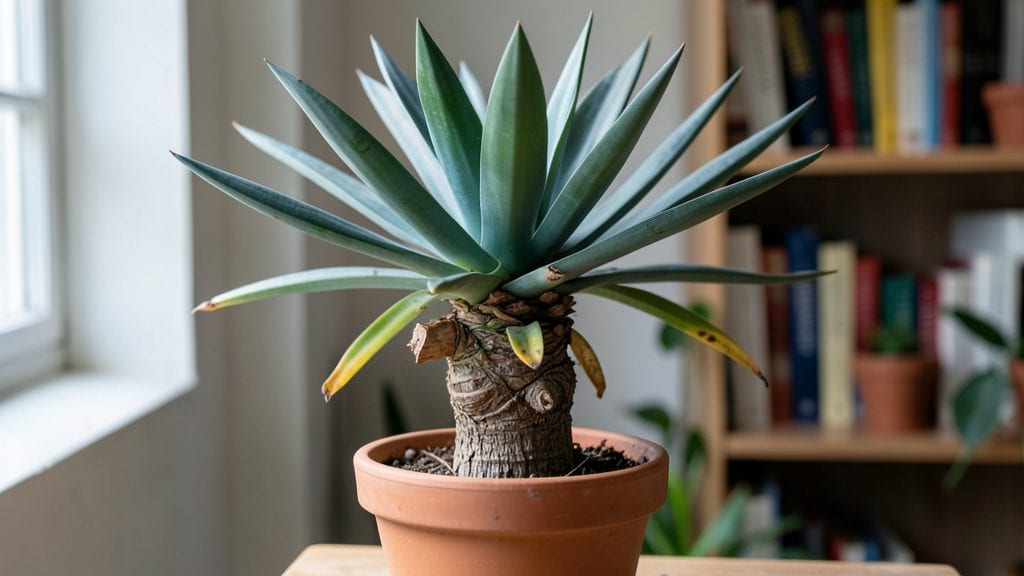
Garden yucca plants thrive where others struggle—dry, sunny spots that scream "no thanks" to most plants. 🌵 I’ve grown them in rocky soil with almost no water, and they’ve rewarded me with sword-like foliage that adds drama to any landscape.
The secret lies in their care-free nature: once established, they’re nearly indestructible.
You’ll need full sun (at least 6 hours daily), well-draining soil, and a spot where they won’t compete with thirsty neighbors. Yuccas despise soggy roots, so raised beds or slopes work best.
Plant them in spring or fall when temperatures are mild, spacing them 3-6 feet apart depending on the variety.
Watering is the real game-changer—deep but infrequent. After the first year, they’ll survive on rainfall alone in most climates. Over time, they’ll develop thick trunks and spread into striking clumps. Even in drought years, they’ll stay lush while neighbors wilt.
Advanced growers can propagate offsets or prune spent flower stalks to encourage bushier growth. For beginners, just plant and forget—they’ll thank you with zero fuss and maximum impact. Ready to add some desert-style drama to your yard?
📚 In This Guide
- What you need
- Instructions
- Tips and common mistakes
- Wrapping up and next steps
What you need
- ● Yucca plants: 1–3 mature plants (or 5–10 seeds if starting from scratch)
- ● Choose varieties like Yucca filamentosa (Adam’s needle) or Yucca rostrata (beaked yucca) for drought resistance.
- ● Well-draining soil: 50 lbs of cactus/succulent mix (or amend garden soil with 20% perlite/sand for drainage).
- ● Fertilizer: Balanced 10-10-10 or slow-release granular fertilizer (1 tbsp per plant, applied spring and fall).
- ● Hand trowel or shovel (for digging holes 2–3x wider than the root ball).
- ● Garden gloves (yucca leaves are sharp!).
- ● Watering can or hose with a gentle spray nozzle (avoid overhead watering).
- ○ Mulch (optional): 2–3 inches of gravel or coarse bark to suppress weeds and retain moisture.
- ● Pruning shears (for trimming dead leaves or overgrowth in late winter).
- ● Sunlight: Full sun (6+ hours daily)—yuccas thrive in hot, dry conditions!
- ● Hardiness zone: USDA Zones 4–11 (check your local climate!).
- ● Watering schedule: Deep watering every 2–3 weeks (once established).
- ● Spacing: 3–5 feet apart for mature plants to allow airflow.
Step-by-Step guide to planting and establishing yucca in your landscape
Here’s how to plant these striking, drought-tolerant beauties for maximum impact and minimal fuss.
🪴 Step 1: Choose the Perfect Planting Spot
Yucca thrives in full sun—at least 6-8 hours daily—so pick a location with minimal shade. The plant’s dramatic foliage and architectural form shine best in open areas where they can become a focal point. Avoid low-lying spots where cold air settles, as yucca is tender to frost once established.
Test the soil’s drainage by digging a 12-inch deep hole—if water pools after 30 minutes, amend the area with 3-4 inches of coarse sand or gravel mixed into the top 12 inches of soil. Yucca roots despise soggy conditions, and poor drainage is the fastest way to kill these tough plants.
🌱 Step 2: Prepare the Soil and Plant
Dig a hole twice as wide as the yucca’s root ball but only as deep as the container it came in. Loosen the soil at the bottom of the hole with a garden fork to encourage root penetration. If your soil is heavy clay, blend in 1 part sand or perlite to improve aeration.
Gently remove the yucca from its container and place it in the hole, ensuring the top of the root ball sits level with the surrounding soil. Backfill with native soil, pressing lightly to eliminate air pockets. Water deeply to settle the roots—this helps prevent transplant shock and encourages quick establishment.
☀️ Step 3: Water and Mulch for First-Year Care
After planting, water deeply once a week for the first 4-6 weeks to help roots spread. Once established, yucca is drought-resistant, but young plants need consistent moisture. You’ll know it’s time to reduce watering when the plant sends up new growth—this signals the roots have anchored deeply.
Apply a 2-3 inch layer of gravel or decorative rock mulch around the base, keeping it 6 inches away from the stem. Organic mulch like wood chips can retain too much moisture, so stick to inorganic options. This also mimics the yucca’s natural desert habitat and keeps weeds at bay.
✂️ Step 4: Prune and Maintain for Long-Term Health
Remove dead or damaged leaves by cutting them 1 inch above the base with clean, sharp pruners. This keeps the plant looking sharp and prevents pests from hiding in decaying foliage. If the yucca develops long, leggy stems, trim them back by one-third in early spring to encourage bushier growth.
Fertilize lightly in early spring with a balanced, slow-release fertilizer (10-10-10) applied at half the recommended rate. Over-fertilizing leads to soft, weak growth that’s more susceptible to rot. Yucca’s natural resilience means it rarely needs extra care—just occasional pruning and minimal watering once mature.
⏰ Step 5: Protect in Winter (If Needed)
In USDA Zones 7 and colder, yucca may need winter protection. Once temperatures drop below 25°F, wrap the base with burlap or frost cloth and mound 4-6 inches of mulch around the plant. In milder climates, yucca is fully winter-hardy and requires no extra care.
Watch for signs of frost damage—yellowing or blackened leaves—after winter. If this happens, trim affected foliage back in early spring to encourage fresh growth. With proper placement and minimal intervention, your yucca will thrive for decades with almost no maintenance.
Tips & tricks for perfectly established yucca plants
These pro insights will help your yucca thrive for decades with minimal fuss—once you know the secrets.
Location is Everything: Step 1 emphasizes full sun, but here's the thing—yucca tolerates partial shade (4-6 hours of sun) in hot climates, though growth will be slower and leaves may become less rigid. I've seen them thrive in 6-8 hours with afternoon shade in Zone 9, but avoid morning shade which can cause fungal issues. Test your spot by observing how much sun reaches it throughout the day before planting.
Drainage Test Hack: The 30-minute water test in Step 1 is critical—if water disappears within 5 minutes, your soil drains perfectly. If it's still wet after 30 minutes, you need to amend. For heavy clay, I recommend mixing in 3-4 inches of coarse sand or perlite into the top 12 inches of soil. This creates the perfect desert-like environment yucca craves.
Transplanting Pro Tip: When planting in Step 2, gently tease the roots of container-grown yucca before placing it in the hole. This encourages roots to spread outward rather than circling, which prevents future transplant shock. Water deeply immediately after planting—this helps settle soil around roots and eliminates air pockets that can cause wilting.
Winter Protection Strategy: For Zones 7 and colder, the 25°F threshold is where yucca starts struggling. I've found wrapping the base with burlap creates an insulating barrier that's better than frost cloth alone. The key is to mound 4-6 inches of mulch around the base but keep it 6 inches away from the stem—this prevents rot while protecting roots from freeze-thaw cycles.
Pro Tips for Garden Yucca Plants
- These pro insights will help your yucca thrive for decades with minimal fuss—once you know the secrets.
- Location is Everything: Step 1 emphasizes full sun, but here's the thing—yucca tolerates partial shade (4-6 hours of sun) in hot climates, though growth will be slower and leaves may become less rigid.
- Drainage Test Hack: The 30-minute water test in Step 1 is critical—if water disappears within 5 minutes, your soil drains perfectly.
Frequently asked questions
Got questions about growing and caring for garden yucca plants? You’re not alone! Here are some of the most common queries—plus straightforward answers to help you keep your drought-resistant stunners thriving.
How fast do garden yucca plants grow?
Yuccas are slow but steady growers! Expect about 6–12 inches per year under ideal conditions (full sun, well-draining soil). Mature plants may take 5–10 years to reach their full height (3–10 feet, depending on the variety). Patience pays off with their striking, architectural form!
Why are my yucca leaves turning brown or yellow?
Brown or yellowing leaves usually signal overwatering, underwatering, or root rot. Check the soil—it should be completely dry 2–3 inches down before watering again. If the base of the plant feels mushy, trim affected leaves and improve drainage. Never let yuccas sit in soggy soil!
Can garden yuccas survive winter in cold climates?
Most yuccas (like Yucca filamentosa or Yucca gloriosa) tolerate USDA Zones 4–11, but young plants or tender varieties may need mulch or frost cloth in harsh winters. In Zone 3 or below, grow yuccas in containers and move them indoors or to a sheltered spot during freezes.
Are yuccas toxic to pets or wildlife?
Yes! All parts of yucca plants—leaves, stems, and flowers—contain saponins, which can cause mild stomach upset, drooling, or vomiting if ingested by pets or livestock. Keep them away from curious cats, dogs, or horses. Never feed yucca to animals!
What are some great companion plants for yucca?
Pair yuccas with drought-tolerant, sun-loving plants like:
- Agave (for bold textures)
- Lavender (fragrant and low-maintenance)
- Russian sage (adds height and color)
- Succulents (like sedum or echeveria)
- Ornamental grasses (e.g., blue fescue)
Pro Tip:
Need a low-maintenance, high-impact plant? Yuccas are perfect for xeriscaping—they thrive on neglect once established! Just prune dead leaves in early spring and fertilize lightly (if needed) in spring with a low-nitrogen, high-phosphorus formula.
Wrapping up and next steps
Yucca plants are the ultimate low-maintenance superstars for any garden—whether you're a seasoned green thumb or just starting out! 🌵 Their drought resistance, striking appearance, and easy care make them perfect for transforming dull landscapes into vibrant, resilient spaces.
With the right placement and a little TLC, you’ll enjoy their bold beauty for years to come.
Ready to dive in? Start by picking your favorite variety, gathering your supplies, and planting with confidence. Your dream garden is just a few steps away—let’s make it happen! 🌟