Shrubs
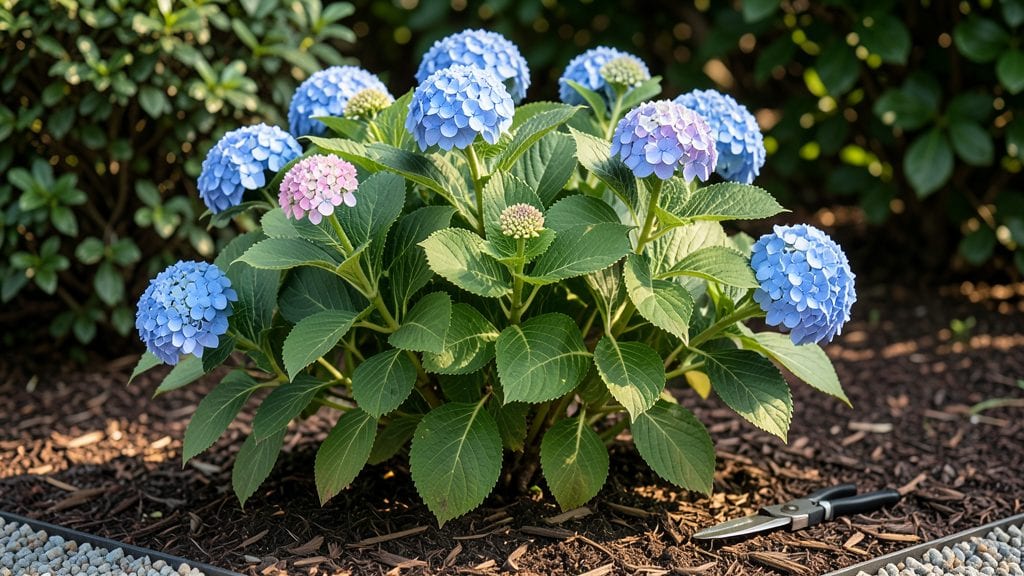
The best garden shrubs don’t just survive—they thrive year after year, creating living walls that block nosy neighbors and winter winds while requiring less fuss than most annuals. I’ve tested dozens of varieties, and these stand out for their dense growth, seasonal interest, and ability to handle neglect (yes, really).
Picture a 6-foot-tall evergreen like Emerald Green Arborvitae that stays lush even when you forget to water, or a 9-foot hydrangea like Endless Summer that blooms from summer through frost with almost no deadheading.
These aren’t just pretty faces—they’re the backbone of a garden that works as hard as you do (or don’t).
You’ll end up with a privacy screen that’s vibrant green in summer, blush-pink in fall, and still structural in winter when most plants have given up. The best part? No weekly pruning, no soil tests, and no begging for sunlight—just plant, water occasionally, and let them do their thing.
Perfect for fences, borders, or standalone statements in your landscape. Let’s dive into the top 10 that deliver on all three promises: beauty, function, and ease.
📚 In This Guide
- What you need
- Instructions
- Tips and common mistakes
- Wrapping up and next steps
What you need
- ● Shrubs: Choose 3–5 varieties (e.g., Boxwood, Holly, Arborvitae, Camellia, or Hydrangea) based on your climate and sunlight. Plan for 1–3 plants per 4–6 feet of space for dense coverage.
- ● Potting soil or garden soil: 50–100 lbs (depending on shrub size). Opt for well-draining, organic-rich soil (amend with compost if needed).
- ● Mulch: 2–3 cubic feet (e.g., pine bark, cedar chips, or shredded leaves) to retain moisture and suppress weeds.
- ● Fertilizer: Slow-release granular (10-10-10 or 20-20-20) or organic options like fish emulsion or compost tea (follow package rates).
- ● Pruning shears: Bypass pruners (for clean cuts) and loppers (for thicker branches).
- ● Garden gloves: Heavy-duty, nitrile-coated (protects from thorns and soil).
- ● Watering can or hose with nozzle: Adjustable spray setting for gentle watering.
- ● Measuring tape: 10–25 feet for spacing plants accurately.
- ● Shovel or spade: Round-point or flat-blade (for digging holes).
- ● Wheelbarrow: 2–3 cubic feet capacity (for hauling soil/mulch).
- ● Soil pH tester: Ensures your soil is ideal for your shrubs (e.g., acidic for Azaleas, neutral for Boxwood).
- ● Edging tool: Creates clean borders for a polished look (especially for formal gardens).
- ● Plant supports: Stakes or cages for young shrubs (e.g., Arborvitae or Weigela).
- ● Drip irrigation system: Automates watering for consistent moisture (great for large gardens).
- ● Plant tags: Waterproof labels to track varieties and care notes.
- ● Knee pads: For comfort during long planting sessions!
Step-by-step guide to planting the best year-round privacy shrubs
Transform your property into a lush, evergreen sanctuary with these top-performing shrubs that thrive in every season.
Choose the Right Shrubs for Your Climate and Space
Select shrubs that match your hardiness zone and available sunlight. For full sun, I recommend Emerald Green Arborvitae or Leyland Cypress—both grow 3-4 feet per year and create dense, wind-resistant screens. In partial shade, Holly bushes or Boxwood deliver vibrant foliage and structured growth patterns. Always check the mature height and spread to ensure they fit your space without overcrowding.
I like to sketch a rough layout first, marking where each shrub will go based on its mature size. For example, a 6-foot-tall shrub planted 3 feet apart will eventually form an unbroken privacy wall. This prevents future overcrowding and makes maintenance easier. If your yard has limited space, opt for compact varieties like Dwarf Fothergilla or Inkberry Holly, which stay under 4 feet tall but still offer excellent coverage.
Prepare the Planting Site for Optimal Growth
Test your soil’s drainage and pH before planting. Most privacy shrubs prefer well-draining soil with a pH between 5.0 and 7.0. If your soil is heavy clay, amend it with 2-3 inches of compost mixed into the top 12 inches of soil. For sandy soil, incorporate peat moss or coconut coir to improve moisture retention. Avoid planting in low-lying areas where water pools, as root rot will kill your shrubs within weeks.
Dig holes twice as wide as the root ball but only as deep as the container’s root base. Loosen the roots of container-grown shrubs before placing them in the hole—this encourages outward root growth instead of circling. If planting bare-root shrubs, soak the roots in water for 1-2 hours before planting to rehydrate them. Fill the hole halfway, water deeply, then finish backfilling to eliminate air pockets.
Plant Shrubs at the Correct Depth and Spacing
Position the shrub so the top of the root ball sits flush with the soil surface—never bury the stem deeper than it was in the container. Use a level to ensure the shrub sits straight, especially for tall varieties like Leyland Cypress, which can lean over time if planted unevenly. Space shrubs 3-6 feet apart, depending on their mature width. For example, Emerald Green Arborvitae needs 3-4 feet of space, while Leyland Cypress thrives with 6 feet between plants.
After planting, water deeply to settle the soil and remove any air gaps. Mulch around the base with 2-3 inches of shredded bark or wood chips, keeping it 6 inches away from the trunk to prevent rot. Water once a week for the first month, ensuring the soil stays moist but not soggy. This establishes strong root systems before the first winter.
Prune and Maintain for Year-Round Density
Prune new shrubs lightly in their first year to encourage bushier growth. Use clean, sharp pruners to trim back any leggy branches by one-third in early spring. For evergreens like Arborvitae, avoid heavy pruning in late summer or fall, as new growth won’t harden off before winter. Instead, focus on shaping in late winter or early spring when the plant is dormant. Remove any dead, diseased, or crossing branches immediately to prevent pests.
Fertilize in early spring with a slow-release, balanced fertilizer (10-10-10 or 20-20-20). Apply it 6 inches away from the trunk and water it in well. Over-fertilizing leads to weak, floppy growth, so follow the package rates precisely. In drought-prone areas, water deeply every 10-14 days during the first growing season to help roots establish. Once mature, most privacy shrubs need minimal watering but appreciate 1 inch of water per week during dry spells.
Monitor for Pests and Diseases Year-Round
Inspect your shrubs monthly for signs of pests like spider mites, scale, or bagworms, which thrive on stressed plants. Early detection is key—treat infestations with neem oil or insecticidal soap as soon as you spot them. For diseases like powdery mildew or root rot, improve airflow by thinning dense foliage and avoid overhead watering. If you notice yellowing leaves, it could signal iron deficiency—apply chelated iron in early spring to correct it.
Mature shrubs require little maintenance once established, but a light trim in late winter keeps them looking neat. If a shrub outgrows its space, prune it back by one-third in stages over 2-3 years to avoid shocking the plant. With proper care, these shrubs will provide year-round privacy, beauty, and curb appeal for decades.**
Tips & tricks for perfect year-round privacy shrubs
Creating a lush, evergreen privacy screen that thrives in every season requires a few strategic moves that most gardeners overlook. These insights will help you achieve that flawless, low-maintenance privacy hedge you've always wanted.
Soil Preparation is Everything: The foundation of success lies in your soil. Beyond the basic pH adjustment between 5.0 and 7.0, I recommend adding a mycorrhizal fungus inoculant to the planting hole. This beneficial fungus forms a symbiotic relationship with your shrub roots, dramatically improving nutrient uptake and drought resistance. Mix it directly with the backfill soil—it's a game-changer for establishing healthy root systems that will support vigorous growth throughout the year.
Root Ball Handling Technique: When removing container-grown shrubs from their pots, gently squeeze the sides of the container while lifting to encourage the root ball to release completely. This prevents root circling, which is a common issue that stunts growth. For bare-root plants, the 1-2 hour soaking time is crucial—don't skip it! This rehydration step can mean the difference between a thriving plant and one that struggles to establish. I've seen plants recover from transplant shock when properly soaked, even when they looked wilted initially.
Pruning Timing Strategy: The early spring pruning window (just as buds begin to swell) is perfect for shaping evergreens like Arborvitae, but there's a secret to maximizing growth. After your initial shaping cut, make a second, lighter pruning pass in late spring to remove any new growth that exceeds your desired shape. This two-step approach creates a fuller, denser hedge while encouraging bushier growth patterns that fill in gaps more quickly.
Seasonal Maintenance Calendar: Create a simple seasonal checklist to keep your privacy shrubs looking their best with minimal effort. Mark your calendar for early spring fertilization, monthly pest inspections (especially after rain), and light pruning in late winter. I like to set phone reminders for these key dates—it's amazing how much difference consistent, timely care makes compared to sporadic maintenance efforts.
Pro Tips for Best Garden Shrubs
- Creating a lush, evergreen privacy screen that thrives in every season requires a few strategic moves that most gardeners overlook.
- Soil Preparation is Everything: The foundation of success lies in your soil.
- Root Ball Handling Technique: When removing container-grown shrubs from their pots, gently squeeze the sides of the container while lifting to encourage the root ball to release completely.
Frequently asked questions
Got questions about choosing and caring for the best garden shrubs? You’re not alone! Here are answers to the most common queries to help you create a thriving, low-maintenance privacy screen that wows year-round.
What’s the fastest-growing shrub for quick privacy?
If you need fast results, opt for bamboo (e.g., Phyllostachys) or leucothoe. Bamboo can grow 3–5 feet per year, while leucothoe adds 12–24 inches annually. For evergreen options, Emerald Green Arborvitae grows 1–2 feet per year—perfect for instant greenery! Just ensure your soil drains well to avoid root rot.
When is the best time to plant shrubs for year-round growth?
Plant bare-root or container-grown shrubs in early spring or fall (4–6 weeks before the first frost). This gives roots time to establish before extreme weather. Evergreens (like boxwood or holly) thrive best in cool, moist soil, while deciduous shrubs (e.g., hydrangeas) can handle spring planting. Avoid planting in peak summer heat—roots stress easily!
How do I keep pests and diseases away from my shrubs?
Prevention is key! Start with healthy soil (rich in compost) and proper spacing (3–6 feet apart for airflow). Watch for aphids, spider mites, or fungal spots—treat early with neem oil or insecticidal soap. Boxwood blight? Remove infected leaves immediately and avoid overhead watering. Mulch with wood chips to deter pests and retain moisture.
Can I grow these shrubs in hot, dry climates?
Choose drought-tolerant shrubs like Texas Sage, Lavender, or Dwarf Yaupon Holly. These thrive with minimal water once established (after the first year). Mulch heavily (3–4 inches) to lock in moisture, and water deeply but infrequently (every 1–2 weeks). Avoid succulents unless your area gets full sun—most prefer partial shade.
What’s a great alternative if I hate pruning?
Skip the shears with low-maintenance shrubs like Oakleaf Hydrangea, Butterfly Bush, or Dwarf Fothergilla. These grow naturally dense and have beautiful foliage/texture without needing frequent trims. Even Arborvitae only needs a light shape-up once a year. For zero-prune options, try Russian Olive or Potentilla—they’re tough and tidy!
Wrapping up and next steps
Choosing the best garden shrubs for year-round privacy and low-maintenance beauty doesn’t have to be overwhelming—it just takes the right match for your space and climate!
From evergreen stalwarts like Holly and Boxwood to vibrant bloomers like Hydrangeas and Camellias, these shrubs offer color, texture, and resilience with minimal fuss. Whether you’re shielding your backyard or adding curb appeal, the perfect shrub is out there waiting to transform your outdoor oasis.
Ready to get started? Sketch a rough layout of your garden, note sun exposure, and pick 2–3 shrubs that fit your vision—then roll up your sleeves and plant with confidence! 🌱 Your dream private retreat is just a few clippings away.