
Pests
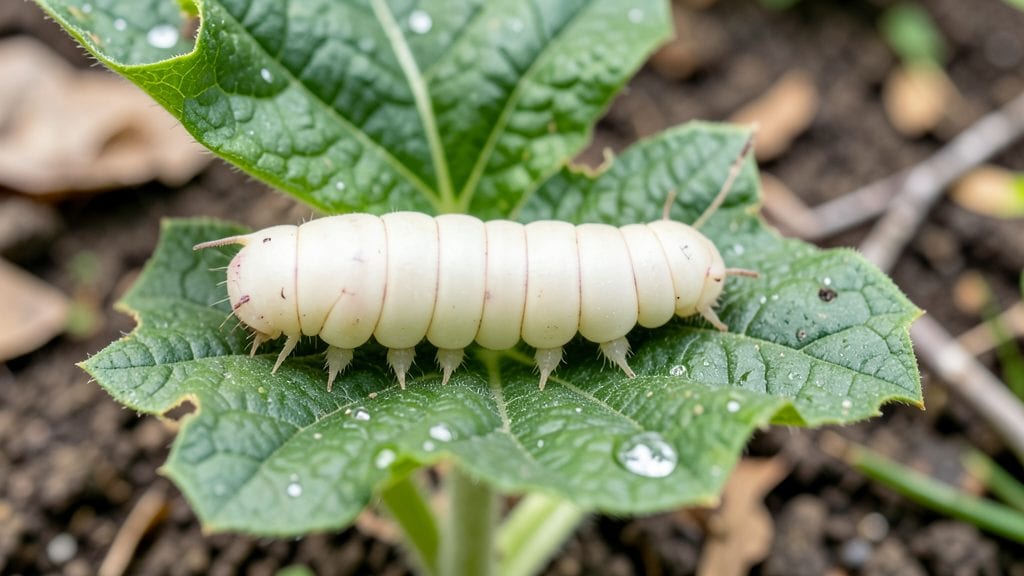
Large garden grubs chewing through your lawn roots like a buffet line? I’ve spent three summers watching my yard turn into a grub buffet, and these organic barriers finally stopped the damage without chemicals.
The key isn’t just trapping them—it’s starving them out by cutting off their food source before they even get started.
Most people reach for pesticides, but the real fix starts with soil health. Healthy grass roots outcompete grubs for food, and a sharp lawnmower blade keeps grass thick enough to resist their tunneling.
Add a layer of diatomaceous earth around plant bases—it’s like sandpaper to their soft bodies, and it breaks down naturally over time.
You’ll see results within 2-3 weeks of consistent barriers: fewer brown patches, stronger grass growth, and grubs retreating to less hospitable soil. The best part? This method works for lawns, vegetable beds, and even flower gardens without harming pollinators or your family’s pets.
Now, here’s the twist—if you’ve got severe infestations, combine barriers with beneficial nematodes in early spring. They’re microscopic predators that hunt grubs underground while your organic defenses keep new ones from moving in. Let’s get those grubs out for good.
The Hidden Triggers Behind Grubs
Large, wriggling grubs in your garden aren’t just a random nuisance—they’re the result of specific conditions that turn your lawn into a five-star buffet. Understanding why these pests thrive is the first step to outsmarting them. Let’s break down the science behind their infestation.
Grubs—particularly the larvae of beetles like Japanese beetles or European chafer—love moist, soft soil. When you overwater your lawn, you’re essentially creating a waterlogged nursery for their eggs. Here’s how it works:
- Excess moisture prevents soil from drying out, keeping it ideal for egg-laying adult beetles. They prefer to deposit eggs in damp, well-aerated soil.
- Slow-draining soil (common in clay-heavy gardens) traps water, creating pockets where grubs can burrow and feed undisturbed.
- Frequent irrigation (especially late in the day) signals to beetles that conditions are perfect for reproduction.
Pro tip: 💡 Test your soil’s drainage by digging a small hole, filling it with water, and timing how long it takes to drain. If it’s slower than 6 hours, you may be unintentionally inviting grubs.
Thatch—a layer of dead grass, roots, and debris—might seem harmless, but it’s actually a grub’s shield. Thatch:
- Traps moisture near the soil surface, creating a humid microclimate that grubs adore.
- Provides insulation, protecting eggs and young larvae from temperature fluctuations and predators.
- Blocks beneficial nematodes and microbes that would otherwise compete with grubs for food.
Warning: 🔥 If your lawn has more than ½-inch of thatch, you’re giving grubs a built-in fortress. Over-fertilizing (especially with nitrogen-heavy products) accelerates thatch growth, making the problem worse.
Grubs are detritivores, meaning they feast on organic matter like grass roots, decaying plants, and even compost. When your soil is nutrient-rich:
- Grass roots grow longer and more tender, making them easier for grubs to munch.
- Decomposing organic material (like mulch or compost piles near the lawn) attracts adult beetles to lay eggs.
- High nitrogen levels in fertilizer can stress grass, weakening its defenses and making it more vulnerable to grub attacks.
Key insight: 🌡️ Grubs thrive in soil with a pH between 6.0 and 7.5—the same range that most lawn grasses prefer. This dual appeal makes prevention tricky!
Grubs don’t appear out of nowhere—they follow a predictable life cycle tied to seasonal conditions:
| Season | What’s Happening | Grub Risk Level |
|---|---|---|
| Spring (April–June) | Adult beetles emerge, mate, and lay eggs in warm, moist soil. | ⭐⭐⭐⭐⭐ (Highest risk) |
| Summer (July–August) | Eggs hatch into larvae (grubs), which feed aggressively on roots. | ⭐⭐⭐⭐ (Very high) |
| Fall (September–October) | Grubs mature and pupate underground, then emerge as adults the following spring. | ⭐⭐ (Moderate) |
Critical window: 🎯 If you see yellowing patches in late spring or early summer, grubs are likely already feasting below. Act fast—delaying treatment lets them grow larger and harder to control.
You might not see the beetles themselves, but their presence is the root cause of grub infestations. Adult beetles:
- Are attracted to lush, green lawns (they mistake them for healthy breeding grounds).
- Lay eggs in compacted or disturbed soil (e.g., after aeration or construction).
- Thrive in warm climates (Japanese beetles, for example, favor temperatures above 70°F).
Tell-tale sign: 🔍 If you spot skeletonized leaves (chewed but veins remaining) on roses or grapes, adult beetles are likely nearby—and their larvae (grubs) will follow.
Natural Ways to Outsmart Garden Grubs
Now that you understand what’s inviting those large garden grubs to your yard, it’s time to turn the tables. The good news? You don’t need harsh chemicals to win this battle.
With a mix of organic barriers, cultural fixes, and smart garden habits, you can starve them out, disrupt their life cycle, and protect your plants—without harming your soil or local wildlife.
Here’s how to tackle the problem cause by cause, plus prevention tips to keep grubs from staging a comeback.
Grubs thrive in soggy, poorly drained soil—so the first step is to make your garden less appealing. If your lawn or garden beds feel spongy or waterlogged, these pests will see it as an all-you-can-eat buffet.
🔥 Step 1: Improve Drainage
- Test your soil: Dig a small hole (6–8 inches deep) and fill it with water. If it drains in less than 30 minutes, your soil is fine.
If it takes hours, you’ve got drainage issues. - Amend the soil: Mix in compost, sand, or perlite to loosen heavy clay or compacted dirt.
Grubs hate well-aerated soil because it’s harder for them to burrow and feed. - Raise garden beds: If drainage is chronically poor, consider elevated beds filled with a mix of topsoil, compost, and coarse sand.
💡 Pro Tip:
🌡️ Avoid overwatering—grubs need moisture to survive. Water deeply but less frequently (early morning is best) to encourage roots to grow deeper and reduce surface moisture that attracts grubs.
🍳 Step 2: Encourage Beneficial Microbes
Healthy soil teems with nematodes, fungi, and bacteria that naturally suppress grub populations.
Boost their numbers by: - Top-dressing with compost (1–2 inches annually). - Using organic mulch (straw, wood chips) to feed soil life. - Planting cover crops like clover or ryegrass in fall/winter to improve soil structure.
Grubs are opportunistic eaters—they’ll munch on grass roots, but they also love decaying organic matter. If you’re leaving grass clippings, fallen leaves, or compost piles near your lawn, you’re basically setting up a grub buffet.
🔪 Step 3: Remove Grub Hotspots
- Rake up thick thatch: A layer of dead grass (thatch) traps moisture and provides grub hiding spots.
Use a lawn rake to thin it out. - Clear leaf litter: Piles of leaves or mulch near grassy areas can harbor grubs. Spread them thinly as mulch or compost them away from lawns. - Avoid over-fertilizing: Too much nitrogen = soft, tender grass roots = grub paradise.
Use a slow-release, organic fertilizer (like compost or worm castings) instead.
✨ Step 4: Use Organic Barriers
Grubs hate gritty, abrasive textures—so create a natural barrier they can’t cross: - Sand or diatomaceous earth (DE): Sprinkle a thin layer (¼ inch) of coarse sand or food-grade DE around garden beds or between lawn and garden.
Reapply after rain. - Wood ash: Sprinkle a light layer around plants (but avoid overdoing it—it can alter soil pH). - Crushed eggshells: Sharp edges deter grubs from tunneling. Crush shells and scatter them surface-level near vulnerable plants.
Grubs reproduce quickly, so breaking their cycle early is key. Introduce natural predators and use DIY traps to thin their numbers before they multiply.
👨🍳 Step 5: Set Up Beer Traps (Yes, Really!)
Grubs are drowners—they’ll fall into shallow containers filled with beer or soapy water.
- How to do it:
- Bury a plastic cup or small container (like a yogurt cup) in the soil so the rim is level with the ground.
- Fill it with beer, vodka, or soapy water (grubs are attracted to the smell and drown).
- Check traps every few days and empty/replenish as needed.
- Bonus: This works best in late summer/early fall when grubs are near the surface.
🦋 Step 6: Invite Grub-Eating Allies
Nature’s pest control is free and effective. Attract these grub-munching heroes:
- Birds: Install birdhouses for robins, starlings, and blackbirds—they love grubs!
- Ground beetles & soldier beetles: These voracious predators thrive in healthy soil.
Leave some leaf litter in garden edges to encourage them. - Chickens or ducks: If you have backyard poultry, let them free-range on the lawn—they’ll gobble up grubs like popcorn.
The best defense? Stopping grubs before they start. Here’s how to future-proof your garden:
🎯 Prevention Checklist
✅ Rotate crops if you have vegetable gardens—grubs target corn, potatoes, and beans the most. ✅ Plant grub-resistant grasses like tall fescue or Kentucky bluegrass (they’re less appealing to Japanese beetle larvae, the most common grub culprit). ✅ Aerate your lawn once a year to disrupt grub tunnels and improve soil health. ✅ Mow high (3–4 inches) to strengthen grass roots, making them less vulnerable to grub attacks. ✅ Inspect new plants before planting—potted plants can harbor grubs in the soil.
Soak roots in neem oil solution (1 tsp neem oil + 1 gallon water) for 10 minutes before transplanting.
If grubs are still winning after a few weeks, it’s time to escalate organically: - Beneficial nematodes (Heterorhabditis bacteriophora): Tiny microscopic worms that infect and kill grubs.
Apply in early evening with a watering can (follow package instructions). - Milky spore powder (Bacillus popilliae): A long-term biological control that infects Japanese beetle grubs.
Takes 1–2 years to build up but works for decades. - Neem oil or kaolin clay: While not a grub killer, these repel adult beetles (the grubs’ parents) before they lay eggs.
After treating your lawn or garden, test your progress:
- Dig a small square (6x6 inches) in the most troubled area.
- Shake the soil in a white bucket of water—grubs will float to the surface.
- Count them: If you see more than 5–10 grubs, keep treating. If it’s just a few, you’re on the right track!
Remember: Patience is key—grubs don’t disappear overnight, but with consistent organic methods, you’ll starve them out and reclaim your garden. 🌿💪
Frequently asked questions
What are the most common signs of large garden grubs in my lawn?
Look for yellowing patches that pull up easily like sod, or grass that sounds hollow when stepped on. You may also spot birds pecking at the soil or moles tunneling—both are signs grubs are feasting underground. Check for C-shaped larvae (½–1 inch long) when digging up suspicious areas.
Can I use diatomaceous earth on my entire lawn, or just problem areas?
Focus on high-risk zones like garden edges or patchy grass first. A light dusting (¼ inch) around plant bases or between lawn and garden works best—overapplying can harm beneficial soil microbes. Reapply after rain, as moisture reduces its effectiveness.
How do beer traps work, and when should I set them up?
Grubs are attracted to fermenting smells and drown in shallow containers filled with beer, vodka, or soapy water. Bury cups rim-level with soil in late summer/early fall when grubs move upward. Check traps every 3–4 days—they’re most effective when combined with other organic barriers.
Will chickens or ducks actually eliminate grubs from my yard?
Free-ranging chickens and ducks devour grubs like popcorn. For best results, let them forage on early morning dew-wet grass (when grubs are near the surface). A few hens can clear a 1,000 sq ft lawn in 1–2 weeks, but supplement with barriers for long-term control.
Are there any plants that naturally repel grubs?
Yes! Marigolds, garlic, and chives deter grubs with their strong scents. Plant them as borders around lawns or garden beds. Catnip and pennyroyal also work—though use them sparingly, as they can spread aggressively. Combine with soil amendments for best results.