
Tools
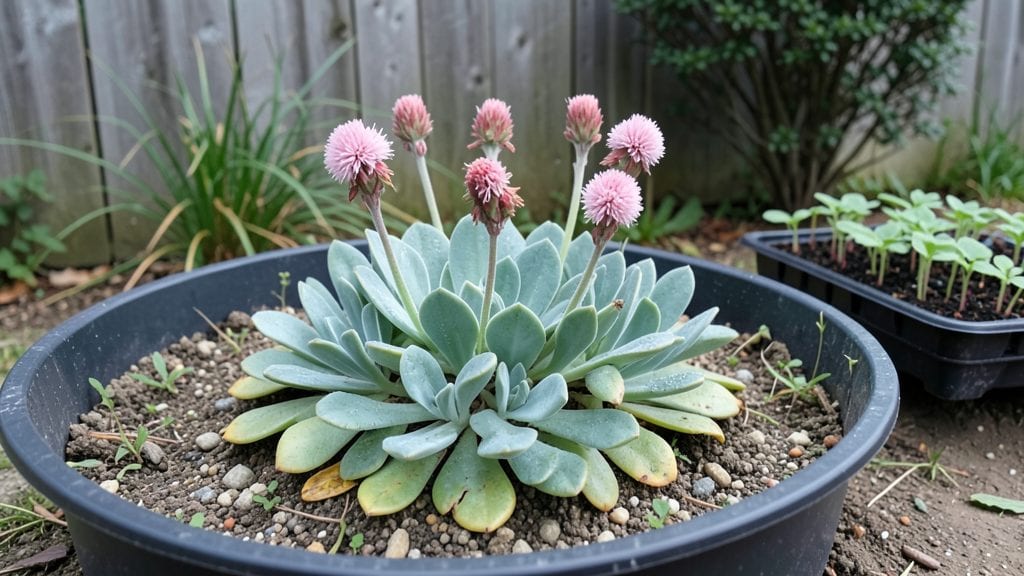
Transforming an old kiddie pool into a kiddie pool garden turned my backyard into a lush, playful oasis that even my neighbor’s kids beg to visit. 🌿 The best part?
It’s not just for show—this space grows herbs, shallow-rooted flowers, and even aquatic plants that thrive in just a few inches of water.
You’ll need a sturdy plastic pool (no cracks!), some gravel for drainage, and lightweight soil or hydroponic mats for plants. I lined mine with a pond liner to prevent leaks, then added a solar-powered fountain for extra charm.
The key is choosing plants that love moisture—like sweet potatoes, lettuce, or water hyacinths—so they stay happy without drowning.
By summer’s end, you’ll have a garden that’s both functional and fun: fresh basil for cooking, vibrant blooms for bouquets, and a spot for kids to splash (and learn) in the shallow water. Plus, it’s a breeze to move if you ever need to rearrange your yard.
The real magic happens when you let creativity take over—paint the pool’s rim, add floating planters, or turn it into a mini water feature. It’s gardening that grows with your space, not against it. Ready to dive in?
📚 In This Guide
- What you need
- Instructions
- Tips and common mistakes
- Wrapping up and next steps
What you need
- ● Kiddie pool: 1 (3–4 ft diameter, lightweight plastic, with a sturdy base). Pro tip: 💡 Choose one with a textured bottom for drainage!
- ● Potting soil: 2–3 bags (20–30 lbs each, well-draining mix like Miracle-Gro Moisture Control).
- ● Drainage layer: 1 bag (5 lbs) of pebbles, gravel, or recycled styrofoam pieces (cut into chunks).
- ● Child-safe plants: 5–10 small pots of non-toxic plants like: Marigolds (🌼)
- ● Sunflowers (🌻)
- ● Basil or mint (🌿)
- ● African violets (💜)
- ● Watering can: 1 (with a long spout for easy reach).
- ● Scissors or pruners: 1 pair (for trimming plants).
- ● Measuring tape: 1 (to check pool depth and plant spacing).
- ○ Solar lights (optional but fun!): 2–4 (battery-operated, waterproof).
- ● Plastic gems or painted rocks (🎨) for decorative accents.
- ● Mini garden tools (🪴) for kids (e.g., kid-sized trowel, watering wand).
- ● Fairy lights or LED strips (✨) for nighttime ambiance.
- ● Waterproof paint (🎨) to customize the pool’s rim with murals or names.
- ● Floating solar-powered fountain (💦) for a soothing touch.
How to create a whimsical kiddie pool garden
Turn an old kiddie pool into a magical, low-maintenance garden that kids love and flowers adore.
🪴 Step 1: Choose and Prep Your Kiddie Pool
Pick a sturdy plastic kiddie pool that’s at least 24 inches deep—deeper pools hold more soil and create a better microclimate for plants. Clean it thoroughly with soapy water, then rinse well to remove any detergent residue. This step is critical because leftover soap can harm plant roots and attract pests.
Drill 4-6 small drainage holes near the bottom if your pool doesn’t have them. Place the pool in a spot that gets at least 6 hours of sunlight daily—most flowers and herbs thrive with plenty of light. If your yard is shady, opt for shade-tolerant plants like impatiens or ferns instead of sun-lovers like marigolds.
🌱 Step 2: Layer the Pool for Drainage and Soil
Line the bottom of the pool with 2-3 inches of small gravel or pebbles—this layer ensures water drains properly and prevents soggy roots. I like to use ½-inch river rocks because they’re lightweight and let excess water flow through easily. Spread them evenly across the entire bottom.
Next, add 6-8 inches of high-quality potting mix on top of the gravel. Avoid garden soil—it compacts too much and can clog drainage. Mix in 1 cup of slow-release fertilizer per 4 cubic feet of soil to give your plants a nutrient boost right from the start. Tap the sides of the pool gently to settle the soil without compacting it too tightly.
☀️ Step 3: Plant with Kids in Mind
Let the kids pick 4-6 easy-to-grow plants like sunflowers, marigolds, or herbs (basil and mint are great choices). Dig small holes with a trowel—about twice as wide as the root ball and just as deep. Gently place each plant in its hole, then fill the space with soil and press lightly around the base to secure it.
Space plants 8-12 inches apart to give them room to grow. If you’re planting seeds, follow the packet instructions for depth—usually ¼ to ½ inch deep—and water gently afterward. Here’s the thing: kids love seeing quick results, so choose fast-growing plants like nasturtiums or radishes for instant gratification.
💧 Step 4: Water and Mulch for Success
Water the soil deeply right after planting—this helps settle the roots and washes away any air pockets. Use a gentle stream from a watering can so you don’t disturb the plants. After watering, add 1-2 inches of mulch (like shredded bark or straw) on top of the soil. Mulch keeps moisture in, suppresses weeds, and makes the garden look tidy.
Water every 2-3 days until the soil feels dry to the touch 1-2 inches down. Once plants are established (after 2-3 weeks), you can cut back to watering 2-3 times per week, depending on your climate. A kiddie pool garden stays moist longer than regular planters, so don’t overwater—soggy soil leads to root rot.
✂️ Step 5: Maintain and Have Fun
Encourage the kids to check the garden daily—they’ll love spotting new growth or blooms. Teach them to pull weeds gently (use a small hand trowel for stubborn ones) and deadhead spent flowers to encourage more blooms. This turns gardening into a game instead of a chore.
Every 4-6 weeks, sprinkle ½ cup of balanced fertilizer around the base of the plants (but not touching the stems). Water it in right away so the roots can absorb the nutrients. If pests like aphids appear, spray the leaves with soapy water (1 tablespoon mild dish soap per gallon of water) to keep them under control without harsh chemicals.
Tips & tricks for perfect kiddie pool gardens
Transforming a kiddie pool into a thriving garden takes a few smart tricks to keep your plants happy and your kids excited.
Drainage is Everything: In Step 1, those 4-6 drainage holes aren't just optional—they're non-negotiable. If your pool doesn't have them, drill them yourself. I learned this the hard way when my first pool garden turned into a swampy mess after heavy rain. The gravel layer in Step 2 works with the holes to create perfect drainage, so don't skip either step!
Soil Selection Tip: For the 6-8 inches of potting mix in Step 2, look for a blend specifically labeled for containers. Regular garden soil compacts too much and can clog those drainage holes we just talked about. I like to mix in some perlite (about 10% of the total volume) to improve aeration—your plants will thank you with healthier roots.
Kid-Friendly Plant Choices: When letting kids pick their 4-6 plants in Step 3, focus on fast growers like nasturtiums or radishes. These give visible results in just 2-3 weeks, which keeps little ones engaged. I also recommend including at least one edible plant like basil or mint—they'll love harvesting their own herbs for cooking!
Watering Wisdom: That gentle stream from a watering can in Step 4 is crucial—it prevents disturbing the soil around delicate new plants. I've found that watering in the morning gives plants a full day to absorb moisture before evening evaporation. And remember, the soil should feel dry only 1-2 inches down before watering again, not completely bone-dry.
Pro Tips for Kiddie Pool Garden
- Transforming a kiddie pool into a thriving garden takes a few smart tricks to keep your plants happy and your kids excited.
- Drainage is Everything: In Step 1, those 4-6 drainage holes aren't just optional—they're non-negotiable.
- Soil Selection Tip: For the 6-8 inches of potting mix in Step 2, look for a blend specifically labeled for containers.
Frequently asked questions
Got questions about turning a kiddie pool into a magical garden? We’ve got answers! Here are some of the most common queries to help you dive in with confidence.
Can I use any kiddie pool for a garden, or are there specific types?
A standard plastic kiddie pool (18–36 inches deep) works best for shallow-rooted plants like herbs, lettuce, or flowers. Avoid inflatable pools—they’re not sturdy enough. Look for ones with smooth edges (no sharp rims) and drainage holes for excess water. Pro tip: Check the material for UV resistance to prevent cracking over time!
When is the best time to plant in a kiddie pool garden?
Start after the last frost in your area (spring or early summer). For year-round gardens in mild climates, plant in fall for winter harvests. Avoid extreme heat—kiddie pools dry out fast! If you’re in a hot zone, opt for shade-tolerant plants like basil or Swiss chard and water twice daily.
How often should I water a kiddie pool garden?
Check soil moisture daily—stick your finger 1 inch deep. Most plants need water when the topsoil feels dry. Kiddie pools lose water faster than ground beds due to their shallow depth. Use a gentle spray nozzle or drip irrigation to avoid eroding soil. Pro tip: Add a layer of mulch (like straw) to retain moisture and deter weeds!
Will pests like ants or slugs be a problem in a kiddie pool garden?
Yes, but there are easy fixes! Ants? Sprinkle diatomaceous earth around the edges. Slugs? Handpick them at night or use beer traps (bury a cup filled with beer—slugs crawl in and drown). Elevate the pool slightly with bricks or a stand to discourage crawling critters. Companion planting (like marigolds) can also help!
What if my plants wilt or look unhealthy?
Wilting usually means underwatering or overwatering. Check the soil—if it’s soggy, let it dry out. Yellow leaves? Could be overwatering or nutrient deficiency. Try a balanced liquid fertilizer (like fish emulsion) every 2–3 weeks. Pro tip: Rotate plants every few weeks to ensure even sunlight exposure!
Can I reuse the kiddie pool for something else after gardening?
Clean it thoroughly with soap and water, scrub off any plant residue, and let it dry in the sun. Rinse with vinegar to kill bacteria. It’s perfect for a rainwater collection system, a kids’ splash pad, or even a DIY dog pool!
Wrapping up and next steps
A kiddie pool garden isn’t just a playful project—it’s a creative, low-maintenance way to bring nature into your space while sparking joy for kids (and adults!) alike. 🌸 Whether you’re growing herbs, flowers, or veggies, these whimsical planters prove that gardening can be as fun as it is rewarding.
The best part? You’ve got everything you need to start small and dream big.
Ready to dive in? Grab your pool, pick your plants, and let your green thumb (and little helpers!) flourish. Next up: Snap a photo of your kiddie pool garden and tag us—we’d love to see your blooming masterpiece! 📸✨