
Tools
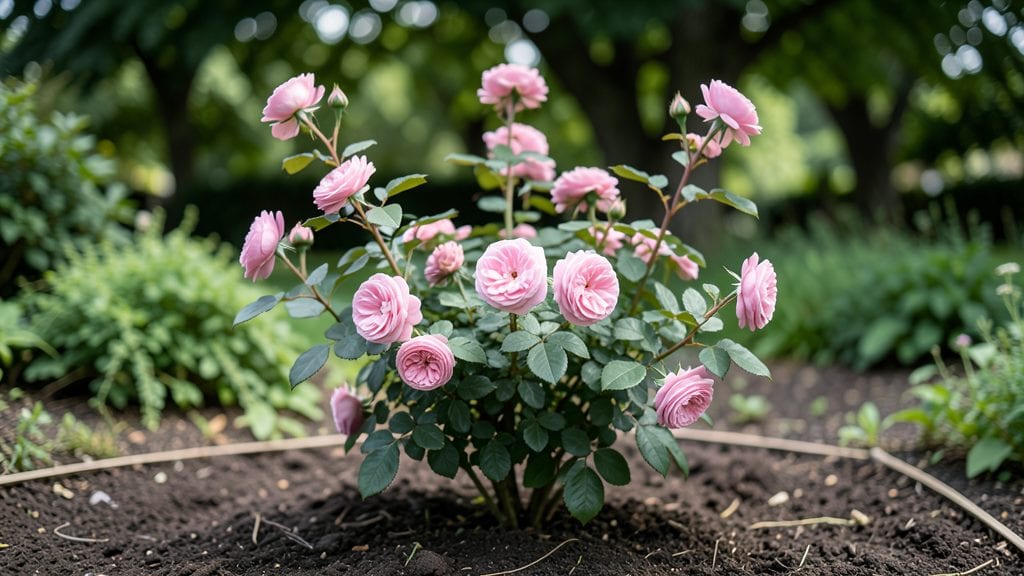
Nothing says "romance in the garden" like Juliette Garden Roses spilling over an archway, their soft pink blooms creating a cloud of color. 🌸 I fell for these roses the first time I saw them—how they drape effortlessly, how the petals feel like silk against your fingertips, and how they keep blooming from early summer through frost.
They’re not just pretty; they’re the kind of roses that make neighbors stop and say, "How do you do it?"
The magic is in how versatile they are. Train them over a 6-foot arch for a grand entrance, weave them through a wooden trellis for a cottage garden feel, or let them climb a rustic fence for instant privacy.
They pair beautifully with lavender for a Mediterranean vibe or alongside peonies for a lush, old-fashioned border. Even their hips add winter interest, turning the garden into a romantic tableau year-round.
What you’ll get is a garden that feels like a storybook—layers of blooms, the intoxicating scent of roses, and that "I can’t believe this is mine" moment every time you walk through.
The roses thrive with minimal fuss, reblooming reliably if you deadhead spent flowers and feed them in spring. Imagine morning coffee under that arch, surrounded by petals and the quiet hum of bees.
Perfect for small spaces, grand entrances, or anywhere you want to add drama without the high-maintenance fuss. These roses don’t just grow—they transform a garden into a living, breathing work of art. Let’s get you started on creating your own romantic retreat.
📚 In This Guide
- What you need
- Instructions
- Tips and common mistakes
- Wrapping up and next steps
What you need
- ● Juliette Garden Rose Bushes: 2–4 bare-root or potted plants (depending on arch width; standard spacing is 3–4 feet apart). Choose disease-resistant varieties like 'The Fairy' or 'Zéphirine Drouhin' for best results.
- ● Arch Structure: Metal or PVC trellis arch (6–8 feet wide, 5–6 feet tall). Look for one with a minimum 1-inch diameter for stability.
- ● OR DIY materials: 2x4 lumber, galvanized wire (14-gauge), and post anchors for a custom build.
- ● Soil Amendments: 50 lbs compost or aged manure per plant.
- ● 2 lbs rose-specific fertilizer (10-10-10 or similar) or slow-release granules.
- ● 1 lb sulfur (if soil pH is above 6.5; roses thrive in 6.0–6.5).
- ● Mulch: 2–3 inches of wood chips or straw to retain moisture and suppress weeds.
- ● Digging Tools: Garden shovel, trowel, and post-hole digger (if installing DIY arch).
- ● Measuring & Marking: Tape measure, stakes, and string (for leveling).
- ● Fasteners: Galvanized screws, zip ties, or wire (for securing vines).
- ● Pruning Shears: Bypass pruners (sterilized with rubbing alcohol).
- ○ Watering Supplies: Garden hose with adjustable nozzle + drip irrigation kit (optional but highly recommended for consistent moisture).
- ● Epsom Salt: 1 tbsp/month during blooming season for magnesium boost.
- ● Rose Food Spikes: 2–4 stakes per plant for seasonal feeding.
- ● Fungicide: Copper-based spray (preventative for black spot).
- ● Decorative Touches: Solar-powered string lights or lattice panels for extra charm.
How to plant and care for juliette garden roses
These stunning climbers thrive with the right setup—here’s my straightforward approach to get them growing strong.
🌱 Step 1: Choose the Right Location and Prepare the Soil
Juliette Garden Roses need 6-8 hours of direct sun daily—no compromise here. I always plant mine where they’ll get morning sun and afternoon shade in hotter climates. The soil should drain well but hold moisture; amending with compost improves fertility without compacting.
Dig a hole twice as wide as the root ball but only as deep as the container’s bottom. Loosen the roots gently if they’re circling—this prevents girdling later. Mix the removed soil with 2 cups of compost and a handful of bone meal for phosphorus to encourage strong root growth.
🪴 Step 2: Plant Bare-Root Roses Properly
Place the rose in the hole so the graft union (the swollen bump near the base) sits 2-3 inches below soil level. This protects it from freezing and encourages bushier growth. Fill the hole slowly, tapping the soil down every few inches to remove air pockets.
Water deeply after planting to settle the soil and eliminate gaps. The top inch should feel damp but not soggy. Mulch with 2-3 inches of organic mulch around the base, keeping it away from the stem to prevent rot. This conserves moisture and keeps roots cool.
☀️ Step 3: Provide Support and Prune for Structure
Install a 5-foot arch or trellis immediately—waiting until roses are established makes it harder. I use metal arches because they’re sturdy and blend into the landscape. Tie the main stems loosely with soft plant ties or old fabric strips to avoid damaging the bark.
Prune the canes back by one-third after planting to encourage branching. Remove any dead or crossing stems, and cut at a 45-degree angle just above an outward-facing bud. This ensures airflow and prevents disease. Water at the base weekly until new growth appears.
💧 Step 4: Water and Fertilize for Continuous Blooms
Deep watering once a week is better than frequent shallow watering. Juliette roses hate soggy roots, so always check the top 2 inches of soil—if it’s dry, water slowly until it drains through. Drip irrigation works best to keep foliage dry and reduce fungal risks.
Feed with a balanced rose fertilizer every 4-6 weeks during the growing season. I switch to a low-phosphorus formula in late summer to avoid excessive foliage growth before winter. Deadhead spent blooms regularly to redirect energy into new flowers.
✂️ Step 5: Winterize for Year-Round Beauty
Before the first frost, cut back canes by half their height and wrap them with rose collars or burlap**. I mound extra mulch around the base to insulate roots. In colder zones, add a layer of straw or leaves for extra protection.
Remove the winter wrap in early spring once new shoots appear. Prune again to open the center of the plant and shape it for the season. Juliette roses reward patience—with proper care, they’ll bloom from early summer through fall and even into winter in mild climates.
Tips & tricks for perfect juliette garden roses
Here's what I've learned after years of growing these stunning climbers—small details make all the difference for lush, long-lasting blooms.
The Sunlight Secret: Juliette roses need that 6-8 hours of direct sun daily, but here's the thing: morning sun and afternoon shade in hotter climates actually prevents leaf scorch while still giving them enough energy for those spectacular flowers. I've seen roses in full afternoon sun get crispy edges—trust me, it's not pretty. If your garden gets intense afternoon heat, consider planting near a north-facing wall or under a light canopy.
Root Care That Changes Everything: When you're loosening those circling roots in Step 1, don't just pull them apart—gently spread them outward like a star. This prevents girdling later. I also add a handful of bone meal to the planting hole because the phosphorus boosts root development, and you'll notice stronger stems within weeks. The 2 cups of compost mixed into the soil is non-negotiable—it's the foundation for everything that follows.
Pruning Pro Tip: That one-third pruning in Step 3 might seem drastic, but it's what creates that lush, bushy growth. Cut at a 45-degree angle just above an outward-facing bud—this isn't just a rule, it's a game-changer for how your rose grows. I use clean pruners and dip them in rubbing alcohol between cuts to prevent disease spread. And here's a little secret: the first year after planting, I actually prune even more aggressively to establish a strong framework for future blooms.
Winter Prep That Saves Roses: When you're cutting back canes by half in Step 5, don't just hack them off—make clean cuts just above outward-facing buds. The rose collars or burlap wrapping is crucial, but I add an extra layer of frost cloth for the first winter to be safe. In colder zones, I mound that extra mulch up to the base of the arch—it's like giving your roses a cozy blanket through winter. I've seen roses survive winters with this method that would have otherwise died back completely.
Pro Tips for Juliette Garden Roses
- Here's what I've learned after years of growing these stunning climbers—small details make all the difference for lush, long-lasting blooms.
- I've seen roses in full afternoon sun get crispy edges—trust me, it's not pretty.
- Root Care That Changes Everything: When you're loosening those circling roots in Step 1, don't just pull them apart—gently spread them outward like a star.
Frequently asked questions
Got questions about Juliette Garden Roses?
You’re not alone! Here are answers to the most common queries—from planting to pruning—so you can create your dream climbing rose arch with confidence.
When is the best time to plant Juliette Garden Roses?
Plant your Juliette Garden Roses in early spring or fall when the soil is workable but not frozen. Avoid extreme heat or cold, as roots need time to establish. If planting in spring, do it 4-6 weeks before the last frost for optimal growth. For fall, aim for 6-8 weeks before the first frost—this gives roots time to settle before winter.
How do I prune Juliette Garden Roses for the best arch shape?
Prune in early spring (before buds swell) and again after flowering. Remove dead, weak, or crossing branches first. For arches, train the main canes along the trellis, cutting back side shoots to encourage upward growth. Never prune more than 1/3 of the plant at once—this ensures healthy blooms. Use clean, sharp shears to avoid disease.
How often should I water Juliette Garden Roses, especially in hot climates?
Water deeply 1-2 times per week, soaking the root zone (about 12-18 inches down). In hot or dry climates, increase to every 2-3 days and mulch heavily to retain moisture. Avoid wetting the leaves (water at the base) to prevent fungal diseases like black spot. Early morning watering is ideal—it reduces evaporation and gives foliage time to dry.
What pests or diseases should I watch for with Juliette Garden Roses?
Common issues include aphids, spider mites, and powdery mildew. Inspect leaves regularly for signs like yellowing, spots, or sticky residue. Treat aphids with a strong spray of water or insecticidal soap. For powdery mildew, apply a fungicide and improve airflow by pruning crowded branches. Healthy soil and proper spacing prevent 80% of problems!
Can I grow Juliette Garden Roses in containers, or do they need a garden bed?
While they thrive in garden beds, Juliette Garden Roses can grow in large containers (at least 15-20 gallons) if given proper care. Use a well-draining potting mix and a container with drainage holes. Ensure the pot is wide enough for root growth and move it to a sunny spot (6+ hours of light daily). Container-grown roses may need more frequent watering and fertilizer than in-ground plants.
Wrapping up and next steps
Juliette garden roses are more than just a pretty face—they’re a timeless investment in beauty, charm, and low-maintenance elegance. Whether you’re dreaming of a whimsical trellis or a fragrant archway, these climbers deliver year-round interest with their lush foliage and stunning blooms.
Ready to transform your space? Start small—plant a single arch or sketch a grand design—then watch your garden bloom into a romantic masterpiece! 🌹✨
Next step: Gather your supplies, pick your perfect spot, and let the magic grow!