Succulent
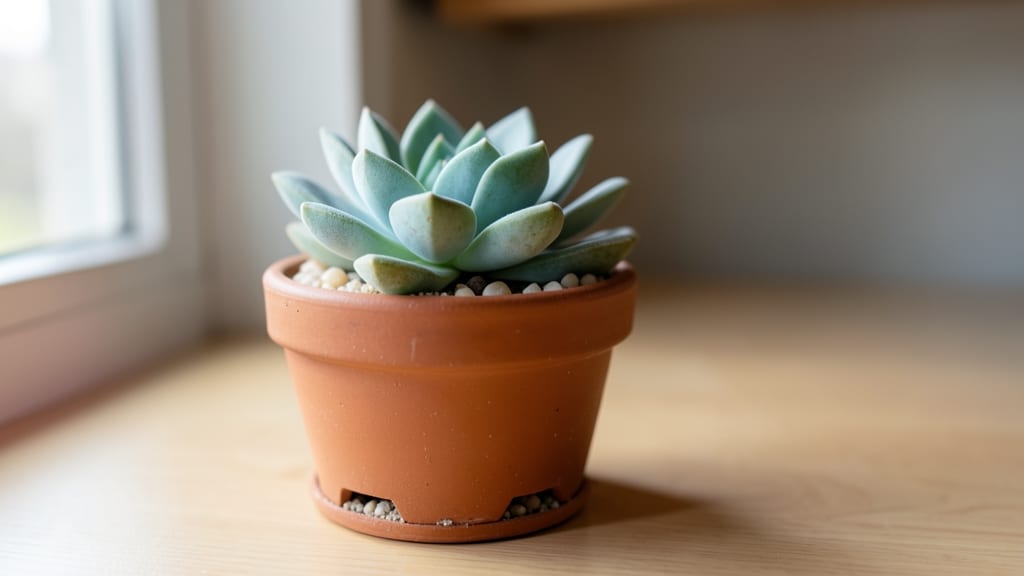
Creating an indoor succulent garden is the perfect way to bring desert vibes into your home—no green thumb required. 🌵 I started mine with just a few pots and a sunny windowsill, and now my living room doubles as a mini jungle that barely needs watering.
The secret lies in pairing the right plants with simple containers and smart lighting.
You’ll need shallow containers with drainage holes, a mix of small to medium-sized succulents, and a bright spot that gets at least 4-6 hours of sunlight daily. Think terrariums, geometric planters, or even repurposed teacups for a whimsical touch. Grouping plants by sunlight needs keeps everything thriving without fuss.
By the end of the setup, you’ll have a low-maintenance display that adds texture and color to any room. The right arrangement—like a boho layered tray or a minimalist single-pot statement—turns your space into a serene retreat. Plus, succulents purify the air while requiring almost no upkeep.
Works in apartments, offices, or even bathrooms with the right lighting. Here’s how to make it happen without overcomplicating things!
📚 In This Guide
- What you need
- Instructions
- Tips and common mistakes
- Wrapping up and next steps
What you need
- ● Succulents: 3–5 small varieties (e.g., Echeveria, Haworthia, or Sedum)
- ● Containers: 1–2 shallow pots with drainage holes (terracotta or ceramic, 4–6 inches wide)
- ● Potting mix: 1 bag of cactus/succulent soil (sterile, well-draining)
- ● Gravel/pebbles: Small stones for drainage layer (1 cup)
- ● Watering can: 1 small spray bottle or watering can with a narrow spout
- ● Trowel or spoon: 1 small tool for planting
- ○ Optional: Decorative tray or saucer (to catch excess water)
- ● Garden tweezers (for delicate succulents)
- ● Plant labels (chalkboard or wooden tags)
- ● LED grow light (if natural light is limited)
- ● Prerequisites: Bright, indirect sunlight spot (e.g., near a south-facing window)
- ● Patience! Succulents thrive on a slow watering schedule.
Step-by-Step instructions for creating indoor succulent gardens
Here's the straightforward method I use to build thriving, low-maintenance succulent displays that thrive year-round.
🪴 Step 1: Select and Prepare Your Containers
Choose shallow containers with drainage holes—succulents despise soggy roots. I prefer terracotta pots because they breathe and help prevent rot. For a 4-plant arrangement, use a single tray with 4-inch diameter pots or a 12-inch wide shallow planter with 4-6 inches depth. Clean containers thoroughly with soapy water to remove any residue that could harbor disease.
Layer the bottom of each container with 1-2 inches of coarse gravel or pumice to create a drainage layer. This prevents water from pooling at the bottom while allowing excess moisture to escape. If using a shallow tray, place a plastic nursery tray underneath to catch any drainage and keep your surfaces dry.
🌱 Step 2: Assemble the Perfect Soil Mix
Succulents need fast-draining soil to thrive. Mix 2 parts potting soil with 1 part perlite and 1 part coarse sand (like horticultural grit). This blend ensures excellent aeration while retaining just enough moisture. For the 4-plant arrangement, you'll need about 2 gallons of this mix—enough to fill your containers to 1 inch below the rim. Avoid pre-mixed "cactus soil" unless it's specifically labeled for succulents; many contain too much organic matter.
Moisten the mix lightly with water until it feels like a damp sponge—not wet, not dry. Press it gently into your containers to eliminate air pockets. Succulents have shallow roots, so a well-prepared base layer ensures they establish quickly. I like to add a slow-release fertilizer (like osmocote) at this stage for a nutrient boost without overfeeding.
☀️ Step 3: Plant Your Succulents Strategically
Arrange your succulents in the container, spacing them 1-2 inches apart depending on their mature size. Larger varieties like haworthias need more space, while tiny jade plant cuttings can huddle closer. Dig small holes just deep enough to accommodate the roots—usually no deeper than the plant's current soil line. Gently remove each plant from its nursery pot and place it in the hole, ensuring the soil level matches what it grew in.
Fill the gaps with your prepared mix, pressing lightly around each plant to eliminate air pockets. Don't pack the soil too firmly—succulents need room to breathe. Water immediately after planting to help settle the soil and remove any air gaps. For the first 24 hours, keep your new arrangement in a shaded spot to reduce transplant shock.
💧 Step 4: Establish a Watering Routine
Succulents thrive on neglect, but they do need water—just the right amount. Water deeply but infrequently: soak the soil until water runs out the drainage holes, then wait until the top 2 inches feel completely dry before watering again. This usually means every 2-3 weeks in winter and every 1-2 weeks in summer, depending on your home's humidity and light levels. I use a spray bottle for small pots and a watering can with a narrow spout for larger trays to avoid disturbing the soil.
Never let your succulents sit in standing water. Empty the saucer or tray underneath 30 minutes after watering to prevent root rot. Overwatering is the #1 killer of indoor succulents—if the leaves start looking puffy or translucent, you're watering too much. A healthy succulent should feel firm to the touch; if it gives slightly, it's thirsty.
✂️ Step 5: Provide Light and Maintenance
Place your succulent garden in the brightest spot you have—a south- or west-facing window is ideal. Succulents need 4-6 hours of direct sunlight daily, but avoid harsh midday sun in summer, which can scorch delicate leaves. If your space lacks natural light, supplement with a grow light positioned 6-12 inches above the plants for 12-14 hours daily. Rotate the tray a quarter turn weekly to ensure even growth.
Dust the leaves occasionally with a soft brush or damp cloth to help them absorb light efficiently. Remove any dead or dying leaves promptly—they attract pests and can spread rot. Every 2-3 months, top-dress the soil with a thin layer of fresh mix to refresh nutrients. If your succulents outgrow their containers, repot them in spring using the same soil mix and a pot just 1-2 inches larger in diameter.
Tips & tricks for perfect indoor succulent gardens
Here's what I've learned after years of keeping my own thriving indoor succulent gardens—these tricks will help you avoid common pitfalls and create a display that lasts for seasons.
Drainage is Everything: In Step 1, don't skimp on that 1-2 inch gravel layer—it's not just about drainage, it's about creating an oxygen-rich zone for roots. I've seen beginners skip this and end up with root rot within weeks. Pro tip: If your container doesn't have drainage holes, drill them yourself or use a cache pot with holes inside a decorative outer pot. The extra effort prevents 90% of succulent problems.
The Soil Mix Secret: When assembling your 2-gallon soil mix in Step 2, I recommend sifting all components before mixing to eliminate clumps. The goal is uniform texture—think of it like baking a cake where the right consistency matters. If you notice your mix feels too dense after wetting, add another ¼ cup of perlite to improve aeration. This small adjustment makes all the difference in preventing compacted soil that suffocates roots.
Planting Depth Matters: During Step 3, resist the urge to bury succulents too deeply. The rule is: plant at the same depth they grew in their nursery pots. I've seen people bury stems and wonder why their plants yellow—they're essentially suffocating. For jade plant cuttings, which are particularly shallow-rooted, keep them just barely covered with soil. This ensures they establish properly without rotting.
Watering Wisdom: The 24-hour shade period after planting in Step 3 is crucial—it gives plants time to recover from transplant shock without evaporative stress. For ongoing care, I've found that using a moisture meter (inserted 1 inch deep) is more reliable than guessing. When it reads dry, that's your cue to water. And remember: the 30-minute drainage rule after watering applies to all containers, even decorative ones without visible holes—always empty that saucer!
Pro Tips for Indoor Succulent Gardens
- Here's what I've learned after years of keeping my own thriving indoor succulent gardens—these tricks will help you avoid common pitfalls and create a display that lasts for seasons.
- Drainage is Everything: In Step 1, don't skimp on that 1-2 inch gravel layer—it's not just about drainage, it's about creating an oxygen-rich zone for roots.
- The Soil Mix Secret: When assembling your 2-gallon soil mix in Step 2, I recommend sifting all components before mixing to eliminate clumps.
Frequently asked questions
Got questions about indoor succulent gardens?
Here are answers to the most common ones—so you can dive in with confidence!
How much sunlight do indoor succulents really need?
Succulents thrive on bright, indirect light—think 4-6 hours daily. South- or west-facing windows are ideal, but if natural light is scarce, supplement with a grow light (12+ inches away). Avoid harsh direct sun, which can scorch leaves. Rotate pots occasionally for even growth!
How often should I water my indoor succulents?
Water only when the soil is completely dry—usually every 2-3 weeks (less in winter). Stick your finger 1-2 inches deep; if dry, water thoroughly until it drains from the bottom. Overwatering is the #1 killer! Use pots with drainage holes and well-draining soil to prevent root rot.
Are there budget-friendly ways to start an indoor succulent garden?
Skip pricey pots—use recycled containers (clean yogurt cups, tin cans) with drainage holes. Buy small cuttings from local plant swaps or online (Etsy, Facebook Marketplace) instead of full-grown plants. DIY soil mixes (cactus soil + perlite) cut costs too!
What should I do if my succulents get pests?
Common pests like mealybugs or aphids? Wipe leaves with a damp cloth or spray with neem oil solution (1 tsp neem oil + 1 quart water). Isolate affected plants and check soil moisture—stressed plants attract pests. For severe infestations, repeat treatment every 5-7 days.
Can I grow succulents in small spaces like apartments?
Yes! Succulents are perfect for small spaces. Opt for miniature varieties (like Haworthia or Echeveria) and use vertical gardens (hanging planters, wall pockets). Group pots together to maximize humidity and light efficiency. Even a sunny windowsill can host a thriving collection!
Wrapping up and next steps
Creating an indoor succulent garden is a rewarding way to bring nature indoors with minimal effort—perfect for beginners or busy plant lovers! 🌱 These hardy plants thrive with just a little sunlight, well-draining soil, and occasional watering, making them the ultimate low-maintenance green companions.
Whether you’re refreshing a space, purifying the air, or simply enjoying their unique charm, your succulent haven is just a few simple steps away.
Ready to dive in? Start small—pick a few varieties, gather your supplies, and let your green thumb grow! With patience and care, your indoor oasis will flourish in no time. Happy planting! 🌟