
Pests
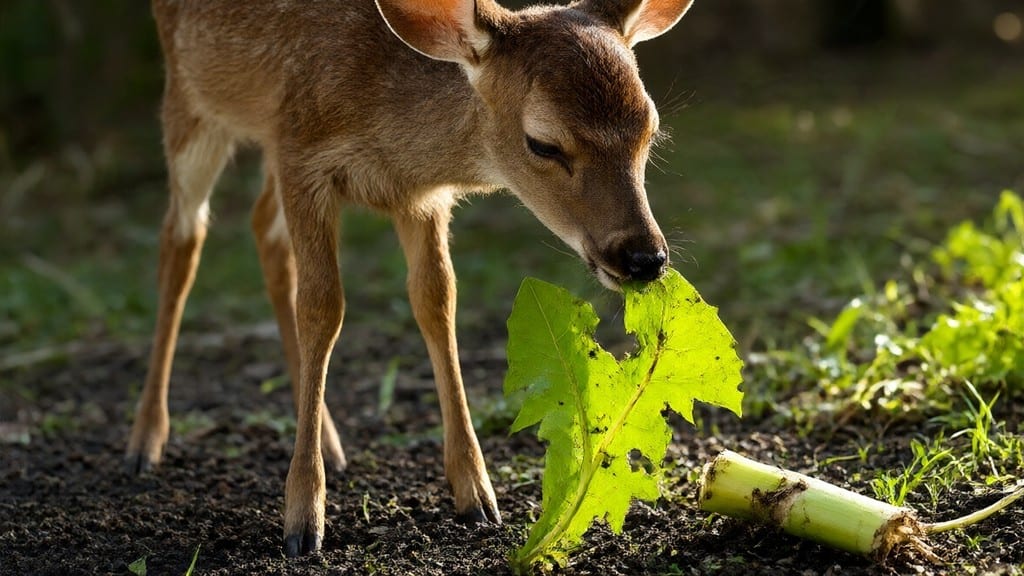
Stopping deer from eating my garden took more than just fencing—it required a mix of science-backed scents, clever visual tricks, and a few unexpected DIY hacks. 🌿 Last spring, my prized hostas and daylilies became deer buffet fare overnight, and I refused to accept defeat.
The key? Combining repellents that deer actually dislike with barriers they can’t see through.
Most commercial sprays contain ingredients like rotten eggs or predator urine, but deer adapt quickly. Instead, I layered hot pepper wax (yes, it works) with reflective tape that flashes in sunlight—deer hate both surprises.
For physical barriers, 8-foot tall fencing isn’t always practical, so I settled on electrified polywire strung at 10 inches high (just enough to give a mild zap without harming them).
By mid-summer, my garden rebounded with vibrant green foliage where there’d been chewed stumps. The secret wasn’t one solution but a multi-pronged approach: repellents for scent-sensitive deer, visual deterrents for curious ones, and barriers for persistent ones. Even my skeptical neighbor’s garden saw results after a month.
This works year-round, though you’ll need to reapply sprays every 2-3 weeks and check fencing for damage. Local regulations may limit electrified options, so always check before setting up. The payoff? A garden that thrives without becoming a deer salad bar.
Why Deer Raid Your Garden
Deer may look graceful as they glide through your yard, but when they start feasting on your carefully cultivated plants, they turn into unwanted garden guests. Understanding why they do it is the first step to stopping them.
Deer are selective browsers, not mindless snackers—they target your garden based on a mix of instinct, biology, and environmental cues. Here’s why they’re crashing your green party.
🌱 Your plants are a buffet of protein & carbs
Deer are herbivorous opportunists, and your garden is essentially a salad bar to them. Their diet is roughly 80% plant material, with a preference for tender, nutrient-rich greens. Here’s the science:
- High-protein plants (like beans, peas, and young shoots) are a deer’s favorite because they’re packed with essential amino acids—building blocks for muscle growth, especially for fawns or bucks preparing for mating season.
- Sweet or aromatic plants (e.g., lettuce, basil, marigolds) trigger their olfactory receptors, making them irresistible. Deer have 300 million scent receptors—far more than humans—so even subtle smells lure them in.
- Soft, young growth is easier to digest. Deer avoid woody stems but devour new leaves, flowers, and bulbs because their multi-chambered stomachs can’t handle tough fibers.
Pro Tip: 💡 If your garden has fast-growing, tender plants (like hostas, daylilies, or impatiens), deer see it as an all-you-can-eat buffet. They’ll return nightly until they’ve stripped it bare.
🌙 Nighttime foraging & seasonal hunger
Deer are crepuscular (most active at dawn and dusk) and nocturnal in urban areas where they face fewer predators. But their feeding habits shift with the seasons:
| Season | Why They’re Hungry | What They Target |
|---|---|---|
| Spring | Does (female deer) are lactating and need 2x their normal calories to feed fawns. Bucks are also recovering from winter. | New shoots, clover, dandelions, tulip bulbs |
| Summer | Hot weather means lower nutrient density in grasses, so they seek out high-calorie garden plants. | Fruits (tomatoes, berries), herbs (mint, cilantro), and flowers (roses, snapdragons) |
| Fall | Bucks are antler-growing, requiring extra phosphorus and calcium from plants. | Acorns (if available), root veggies (carrots, potatoes), and broadleaf plants (kale, spinach) |
| Winter | Snow covers natural food sources, forcing them to raid gardens for survival. | Evergreens (pine, spruce), bark (young trees), and stored winter crops (onions, garlic) |
Key Insight: 🌡️ Deer don’t just eat—they survive. If your garden is the only green food source in a snow-covered yard, they’ll treat it like a 24-hour diner.
🏡 Your yard lacks natural predators
In the wild, deer avoid areas with natural predators like wolves, coyotes, and mountain lions. But in suburban neighborhoods, those threats are gone—leaving deer to feel safe in your yard. Here’s how your landscape might be inviting them:
- Dense shrubbery or tall grasses provide cover for deer to sneak in undetected.
- Lack of large predators (even dogs can deter them if trained properly).
- Water sources (ponds, birdbaths, or leaky hoses) attract deer year-round.
- Fencing gaps (even 4-inch gaps) let them slip in for a quick snack.
Fun Fact: 🦌 Deer have a 325-degree field of vision—they can spot movement from far away but won’t see motionless objects (like scarecrows) unless they’re up close. That’s why they often ignore deterrents until it’s too late.
🧲 Human activity makes them bolder
Deer are habitual creatures, and if they find your garden easy pickings, they’ll return—again and again. Human behavior can accelerate this cycle:
- Unsecured trash cans with food scraps teach deer that humans = free meals.
- Overwatering lawns creates lush, deer-friendly grazing areas.
- Lack of deterrents (like motion-activated lights or noise) signals to deer that your yard is safe.
- Feeding pets outdoors (especially dog or cat food) can attract deer as secondary scavengers.
Warning: ⚠️ Once deer associate your yard with food, they’ll defend their territory—even from humans. This can lead to aggressive behavior, especially during mating season (fall).
Proven Ways to Keep Deer Away
Deer may find your garden a buffet, but with the right strategies, you can outsmart them! Below are science-backed, practical solutions tailored to the most common reasons deer munch on your plants—from scent-based deterrents to visual tricks and physical barriers.
Each fix is designed to be easy to implement, cost-effective, and long-lasting.
🌿 When Deer Are Drawn to Food: Block Their Access
Deer have an incredible sense of smell and are naturally attracted to fresh, fragrant, or sweet plants. If they’re targeting your garden for a snack, remove the temptation or make it unappealing.
🔥 Use Strong Smells They Hate
Deer avoid plants and scents that signal danger or discomfort. Try these natural repellents:
- Spray-on deterrents: Mix rotten eggs, garlic, or hot pepper with water and spray around plant beds. (Reapply after rain.)
- Commercial scents: Products like Deer Out, Bobbex, or Liquid Fence contain putrescent egg solids—deer avoid the stench.
- Herb barriers: Plant lavender, rosemary, or rue near vulnerable areas—their strong fragrance confuses deer.
🍳 Remove the Buffet
- Harvest ripe fruits/veggies promptly—deer can spot them from a distance!
- Cover young plants with floating row covers or chicken wire until they mature.
- Avoid planting deer favorites like hostas, tulips, or daylilies if deer are frequent visitors.
💡 Pro Tip:
🌡️ Rotate repellents every few weeks—deer can grow accustomed to the same scent over time!
👀 When Deer Ignore Scents: Use Visual Deterrents
Some deer are bold or scent-blind to sprays. If they keep returning despite repellents, trick their eyes with motion, color, or reflection.
🔪 Scare Them with Movement
Deer are skittish—unpredictable motion makes them think predators are near.
- Motion-activated sprinklers (like ScareCrow) spray water when deer approach—startling them away.
- Wind spinners or old CDs on strings create shiny, moving objects that confuse them.
- Reflective tape or old CDs hung in trees reflect sunlight, creating flickering light that deters them.
🎯 Use Bright Colors & Strange Objects
Deer associate unusual shapes and colors with danger.
- Hang brightly colored flags, pinwheels, or even old CDs on stakes around the garden.
- Place fake owls or snakes (realistic ones work best)—deer see them as threats.
- Try predator urine flags (coyote or fox urine) to mimic territorial animals.
✨ Pro Tip:
🎯 Combine visual and scent deterrents for best results—deer are less likely to ignore a spray + motion sprinkler combo!
🏗️ When Nothing Else Works: Build a Barrier
If deer are determined or your garden is large, a physical barrier is the most reliable solution.
👨🍳 Fencing: The Gold Standard
- 8-foot tall fence: Deer can jump 6-8 feet, so 8 feet is ideal (bury the bottom 12 inches deep to prevent digging).
- Electric fencing: A single hot wire at 5,000 volts (safely low for humans) deters deer effectively.
- Mesh or hardware cloth: If fencing isn’t an option, wrap vulnerable plants in 1-inch mesh (deer can’t push through).
🥘 Temporary Fixes for Small Gardens
- Tree guards or wire baskets around young trees/shrubs.
- Portable exclosures (like cage-like frames) over raised beds.
- Deer-resistant plants as a living barrier (e.g., boxwood, barberry, or Russian sage).
⏰ Long-Term Prevention
- Plant a "deer-proof" border around your garden with thorny shrubs (e.g., roses, barberry, or holly).
- Keep grass short near garden edges—deer prefer to graze in open areas.
- Remove brush piles where deer hide and stalk gardens.
Final Thought: Deer aren’t trying to hurt your garden—they’re just hungry! By combining scent, motion, and barriers, you can make your garden less appealing without harming them. Start with one or two methods, observe what works, and adjust as needed. 🚀
Frequently asked questions
Why do deer suddenly start eating my garden?
Deer often target gardens when they sense food scarcity or increased hunger. During spring and fall, lactating does or antler-growing bucks require extra calories, making your plants irresistible. They’re also drawn to tender, nutrient-rich growth—like young shoots or aromatic herbs—because their multi-chambered stomachs can’t handle tougher fibers. If your yard lacks natural predators or provides easy access, deer will exploit it as a reliable food source.
Do commercial deer repellents really work, or are they a waste of money?
Commercial repellents like Deer Out or Liquid Fence can be effective, but their success depends on application and consistency. Deer adapt to familiar scents, so rotate products every 2-3 weeks for best results. Natural alternatives like hot pepper wax or garlic sprays often work too—just reapply after rain. The key is persistence; deer won’t avoid a repellent if it’s no longer effective.
What’s the most humane way to keep deer away without harming them?
Humane deterrents focus on making your garden unappealing rather than painful. Combine scent-based repellents (like predator urine) with visual deterrents (reflective tape or motion-activated sprinklers) for a multi-layered approach. Physical barriers like 8-foot fencing or 1-inch mesh around vulnerable plants also work without harm. Always avoid harmful traps or poisons—deer are wild animals, not pests to be eradicated.
Can I use my dog to scare deer away, or will it make things worse?
A well-trained, confident dog can deter deer, but only if they’re properly introduced. Dogs with a strong prey drive (like terriers) may provoke deer, leading to aggressive encounters. Instead, use a calm, protective dog that barks at intruders—deer associate unfamiliar sounds with danger. Always supervise interactions and avoid letting dogs chase deer, which can stress both animals.
Why do some deterrents fail, even if I follow instructions?
Deterrents fail most often because deer adapt to predictable patterns. If you rely on just one method (like a single repellent), deer will learn to ignore it. Mix scent-based, visual, and physical deterrents for better results. Also, check for gaps in barriers or hidden entry points—deer are clever and will exploit weaknesses. Rotate your strategies seasonally, as their hunger and behavior change with the seasons.