
Fertilization
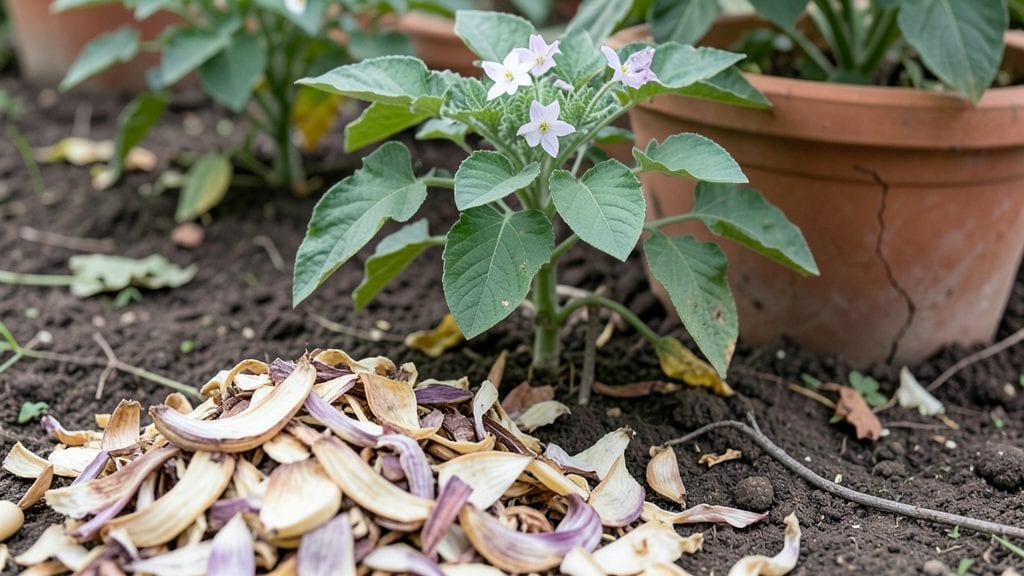
Potato peels are good for the garden because they break down fast, enriching soil with nitrogen while improving its structure. Always chop or compost them first to stop pests and disease from spreading.
Potato peels pack a nutrient punch that gardeners love—especially for nitrogen-hungry plants like tomatoes and leafy greens. 🌱 The key is their high organic content, which feeds beneficial soil microbes while breaking down into a crumbly, water-retentive texture.
I’ve seen firsthand how a handful of chopped peels mixed into compost heats up faster, speeding up decomposition for richer soil in just a few weeks.
But here’s the catch: never toss whole peels directly into garden beds. Their thick skins can attract slugs or harbor fungal spores if not properly prepped.
For best results, I shred them into a compost pile or bury them deep in planting holes—this keeps their benefits locked in while avoiding any risks.
💡 In This Article
- Potato Peel Nutrient Breakdown for Soil Health
- Safe Ways to Use Potato Peels in Your Garden
Potato peel nutrient breakdown for soil health
Potato peels contain a nutrient profile that makes them a gardener's secret weapon. When broken down, they deliver approximately 1.5-2% nitrogen by dry weight, along with smaller but meaningful amounts of potassium (0.4-0.6%) and phosphorus (0.1-0.2%).
This nitrogen content comes primarily from proteins and amino acids in the peel's cells, which decompose into ammonium (NH₄⁺) that plants can absorb. The potassium helps regulate water movement in plant cells, while phosphorus supports root development and energy transfer.
The real magic happens when these nutrients interact with soil microbes. Potato peels contain pectins and cellulose that act like a buffet for decomposers, accelerating microbial activity by up to 30% compared to bare soil.
These microbes then break down the organic matter into humus, creating a spongy soil structure that holds 20-30% more moisture than untreated soil.
You'll notice this in your garden as the soil becomes darker and lighter to work with—almost like adding a layer of rich loam without any chemical fertilizers. 🌿
Here's what's actually happening chemically: The decomposition process is aerobic, meaning it requires oxygen. When you chop peels into small pieces (about ¼-inch or less), you increase surface area by 400% or more, allowing microbes to colonize faster.
In compost piles, this creates "hot spots" where temperatures can reach 120-140°F—perfect for killing weed seeds and pathogens while accelerating nutrient release. The process typically takes 4-6 weeks for complete breakdown, though larger chunks may take twice as long.
Direct soil application works differently. When buried 6-8 inches deep, peels decompose more slowly but provide a steady nutrient release over 2-3 months.
The key difference is that composting creates a more balanced nutrient profile by blending with other organic materials, while direct burial risks creating localized nitrogen spikes that can burn young plants.
For container gardens, I've found that mixing 1 part chopped peels to 4 parts finished compost gives the best results without overwhelming plant roots.
What most gardeners don't realize is how the peel's waxy surface affects decomposition rates. The natural cutin layer (a fatty substance) makes whole peels resistant to breakdown, which is why chopping is essential.
This wax also contains alkaloids like solanine in green peels, which can inhibit microbial activity if not properly decomposed. For maximum benefit, always use mature, yellowed peels from disease-free potatoes and avoid varieties like Green Mountain or Yukon Gold that have thicker skins with higher solanine content.
For visual learners, imagine this: A single pound of potato peels contains roughly 15-20 grams of organic carbon that will feed soil microbes for weeks.
When properly incorporated, they transform compacted clay soil into a friable medium that improves drainage while retaining moisture—like adding tiny water reservoirs throughout your garden beds. The result is healthier plants with stronger roots and fewer nutrient deficiencies, especially for heavy feeders like tomatoes and peppers.