Fertilization
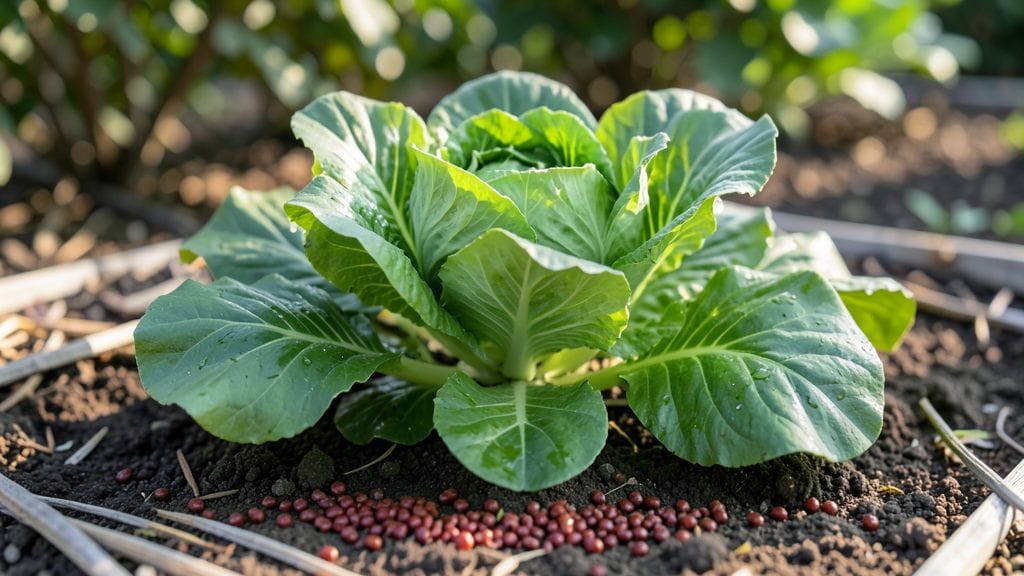
Blood meal garden fertilizer delivers rapid nitrogen to promote lush, green foliage and vigorous plant growth, ideal for leafy vegetables, grasses, and nitrogen-hungry crops like corn or tomatoes. Apply sparingly—overuse can burn roots—using 1-2 tablespoons per plant every 4-6 weeks during the growing season.
This organic fertilizer works by breaking down quickly in the soil, releasing nitrogen that plants absorb almost immediately. 🌱 Unlike slow-release options, blood meal kicks in fast—perfect for jumpstarting growth in seedlings or reviving nutrient-starved plants.
The key is moderation; too much can overwhelm roots, so I always test soil first and start with smaller amounts, especially for sensitive plants like lettuce or spinach.
For best results, mix it lightly into the top inch of soil or sprinkle around the base before watering. I’ve found it especially helpful when transplanting—just a pinch around the roots gives young plants the energy they need to establish themselves.
Just remember: blood meal is potent, so store it in a cool, dry place and wear gloves when handling to avoid skin irritation.
💡 In This Article
- How Blood Meal Works as a Fast-Acting Plant Fertilizer
- Best Practices for Applying Blood Meal in Gardens
How blood meal works as a fast-acting plant fertilizer
Blood meal delivers nitrogen in a form plants can absorb almost instantly because it's highly soluble and breaks down rapidly in the soil.
Unlike synthetic fertilizers that release nitrogen in a controlled, timed manner, blood meal contains 12-14% nitrogen by weight in an organic form that soil microbes quickly convert into plant-available ammonium (NH₄⁺) and nitrate (NO₃⁻).
This process happens within days, not weeks, making it ideal for plants needing quick nutrient uptake, like seedlings or stressed transplants.
The rapid release mechanism works because blood meal consists of finely ground animal blood proteins that decompose through microbial action. When mixed into moist soil, these proteins break down into amino acids, which microbes further metabolize into ammonia.
This ammonia then oxidizes into nitrates, the primary nitrogen form plants absorb through their roots. 🌱 Unlike compost or manure—which can take weeks to months to release nutrients—blood meal provides nitrogen within 3-7 days, depending on soil temperature and moisture.
This fast-acting nitrogen plays a crucial role in chlorophyll production, the green pigment that drives photosynthesis. When plants get enough nitrogen, they produce more chlorophyll, resulting in darker green leaves and increased energy for growth.
For example, leafy greens like spinach or kale show dramatic improvement within 1-2 weeks of application, with leaves becoming thicker and more vibrant. The fertilizer also helps plants recover from transplant shock by replenishing nitrogen lost during uprooting.
One key advantage is its ability to correct nitrogen deficiencies quickly in soil. Unlike slow-release organic fertilizers, blood meal doesn't tie up nitrogen in the soil for long periods. Instead, it provides an immediate boost, making it perfect for correcting yellowing leaves or stunted growth.
However, this speed also means it's less suitable for long-term soil enrichment compared to compost or aged manure, which build soil fertility over time.
For seedlings, blood meal is particularly effective because young plants have limited root systems and need rapid nutrient access. A light application of 1 teaspoon per square foot can stimulate root development and leaf production without overwhelming tender roots.
The fertilizer's granular texture also makes it easy to distribute evenly, unlike powdered forms that can clump or blow away.
What most gardeners don't realize is that blood meal's effectiveness depends heavily on soil conditions. In cold, wet soil, microbial activity slows down, reducing nitrogen release. For best results, apply it to warm, moist soil (ideal temperature: 60-75°F) and water it in immediately to activate microbial breakdown.
This ensures plants get the nitrogen boost when they need it most.