
Planting
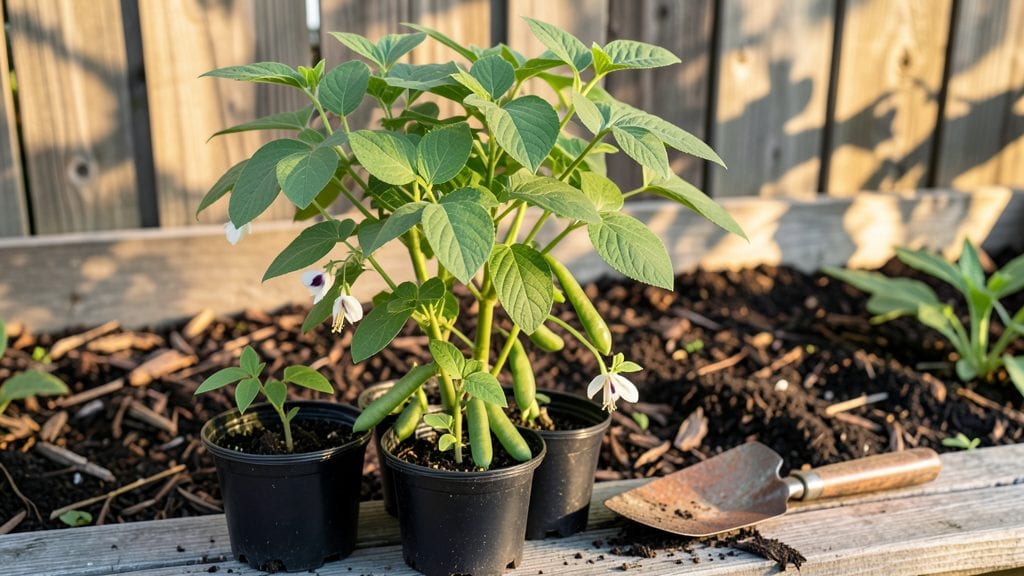
To plant green beans in garden soil, start by sowing seeds 1 inch deep in well-drained earth after the last frost—typically between April and May in zone 6a.
Green beans are one of the easiest and most rewarding crops to grow, but proper spacing can mean the difference between a thriving harvest and a tangled mess.
Whether you're planting bush beans or pole varieties, these spacing secrets will help you maximize yield and minimize pests—without wasting precious garden space.
You’ll need full sun, 6-8 hours daily, and soil that’s loose and rich in organic matter.
The key is patience: seeds can take 7-14 days to sprout, but once they do, consistent moisture and a little support (for pole beans) will reward you with a summer-long supply of fresh pods.
Below, I’ll walk you through the exact spacing for bush vs. pole beans, watering tricks to avoid common pitfalls, and how to tell when your plants are ready to harvest—so you can go from seed to table in no time.

Green bean planting guide: spacing rules for bush vs pole varieties
Green beans thrive when planted with the right spacing—this simple rule prevents crowding, improves airflow, and boosts your harvest. Bush beans stay compact, while pole beans climb and need vertical support.
Getting the spacing wrong can lead to stunted growth or disease-prone plants. Let’s break down the exact measurements for each type, plus pro tips to maximize your garden’s potential.
Before planting, check your soil temperature—green beans need warm soil (at least 60°F/15°C) to germinate. Work in compost or aged manure to enrich the soil, and avoid fresh nitrogen-heavy fertilizers, which can burn young seedlings.
A pH between 6.0 and 7.0 is ideal, so test your soil if you’re unsure.
Now, let’s compare the spacing needs for bush beans and pole beans—these differences will change how you plan your garden layout. Whether you’re working with a small urban plot or a sprawling backyard, these rules apply.
Here’s a quick comparison to guide your planting:
| Type | Plant Spacing | Row Spacing | Depth | Support Needed | Yield Potential |
|---|---|---|---|---|---|
| Bush Beans (Compact) | 4-6 inches apart | 18-24 inches between rows | 1 inch deep | None (self-supporting) | High (all at once) |
| Bush Beans (Sprawling) | 6-8 inches apart | 24-30 inches between rows | 1 inch deep | None (but may need staking) | Moderate (extended harvest) |
| Pole Beans (Trellis) | 4-6 inches apart | 30-36 inches between rows | 1 inch deep | Trellis or sturdy fence | Very High (prolonged harvest) |
| Pole Beans (Free-Standing) | 6-8 inches apart | 24-30 inches between rows | 1 inch deep | Bamboo stakes or poles | High (prolonged harvest) |
For bush beans, stick to the tighter spacing—this ensures each plant gets enough nutrients and sunlight.
If you’re growing sprawling varieties, give them a little extra room to prevent tangling. Pole beans, on the other hand, need more space between rows because they’ll climb and spread vertically, saving ground space for other crops.
Pro tip: If you’re short on space, try interplanting bush beans with fast-growing crops like radishes or lettuce. Once the beans mature, the lettuce will have finished its cycle, leaving room for succession planting. This technique maximizes your garden’s productivity without sacrificing yield.
After planting, keep the soil consistently moist but never soggy—green beans hate wet feet. Mulch around the base with straw or grass clippings to retain moisture and suppress weeds. Water in the morning to let foliage dry quickly, reducing the risk of fungal diseases like rust or powdery mildew.
When it comes to companion planting, pair green beans with corn and squash (the "Three Sisters" method) or onions and garlic to deter pests like Mexican bean beetles.
Avoid planting near potatoes or fennel, as these can stunt bean growth. A well-planned garden layout keeps pests at bay naturally.
Finally, don’t forget to rotate your crops next year. Green beans are part of the legume family, so avoid planting them in the same spot annually. This prevents soil-borne diseases and keeps nutrients balanced.
With the right spacing and care, you’ll enjoy a bountiful harvest of crisp, tender green beans all season long!
Step-by-step green bean planting process: from seed to soil
Green beans thrive when planted at the right time and in the perfect conditions. The key to success starts with soil temperature—wait until the ground warms to at least 60°F (15°C) before sowing seeds.
This usually aligns with your last frost date, typically mid-April to May in most U.S. zones. Cold soil can stunt germination, so always check with a soil thermometer for accuracy.
For container gardeners, use well-draining pots with holes to prevent root rot, a common issue in crowded or poorly aerated soil.
Before planting, enrich your soil with compost or aged manure to provide nutrients without overwhelming young seedlings. Green beans prefer loamy, slightly acidic soil (pH 6.0–7.0), but they’re adaptable. Avoid fresh manure, which can burn tender roots.
If your soil is heavy clay or sandy, amend it with peat moss or coconut coir to improve structure and moisture retention. This step saves you from later struggles with poor drainage or nutrient deficiencies.
How to Plant Green Beans in Garden
- 1. Choose Your Spot: Select a location with full sun (6–8 hours daily). For pole beans, ensure a trellis or sturdy support is nearby to save space and improve airflow.
- 2. Prepare Soil: Loosen soil to a depth of 12 inches with a garden fork. Mix in 2–3 inches of compost to boost fertility. For containers, use a lightweight potting mix with perlite.
- 3. Plant Seeds: Sow seeds 1 inch deep, spacing them 2–3 inches apart in rows 18–24 inches apart. For bush beans, thin seedlings to 4–6 inches apart once they’re 2 inches tall.
- 4. Water Gently: Keep soil consistently moist but avoid soggy conditions. Water at the base of plants in the morning to reduce disease risk. Use a fine mist for seeds to prevent washing them away.
- 5. Mulch for Moisture: Apply a 2-inch layer of straw or grass clippings around plants to retain moisture and suppress weeds. Mulch also keeps soil cool, which is ideal for hot summer months.
- 6. Support Pole Beans: As pole beans grow, gently weave vines onto a trellis or stakes. This prevents sprawling and makes harvesting easier. For small spaces, use 5-foot tall cages instead of traditional trellises.
- 7. Monitor for Pests: Watch for bean beetles or aphids. Use neem oil or insecticidal soap if needed, but avoid chemical sprays during flowering. Companion plants like marigolds or nasturtiums can deter pests naturally.
One of the biggest mistakes I see is overcrowding seeds to save space, which leads to weak, disease-prone plants. Always follow the 2–3 inch spacing for seeds and thin seedlings properly.
Another pitfall is planting too early—cold soil delays germination and can rot seeds. If your area has unpredictable spring weather, opt for biodegradable seed pots to transplant seedlings later if needed.
For container gardening, choose 5-gallon pots or larger to accommodate root growth. Use a balanced fertilizer (10-10-10) lightly when plants are 4–6 inches tall to encourage flowering. Water containers daily in hot weather, as they dry out faster than in-ground soil.
Elevate pots to improve drainage and prevent root rot, a silent killer of potted green beans.
Once your green beans are established, focus on consistent moisture and regular harvests. Pick pods every 2–3 days to encourage more production. If you miss this window, pods can become woody and tough.
Save seeds from your healthiest plants for next year—let a few pods mature fully on the vine before drying them indoors. This saves money and ensures varieties suited to your climate.
🌱