
Pests
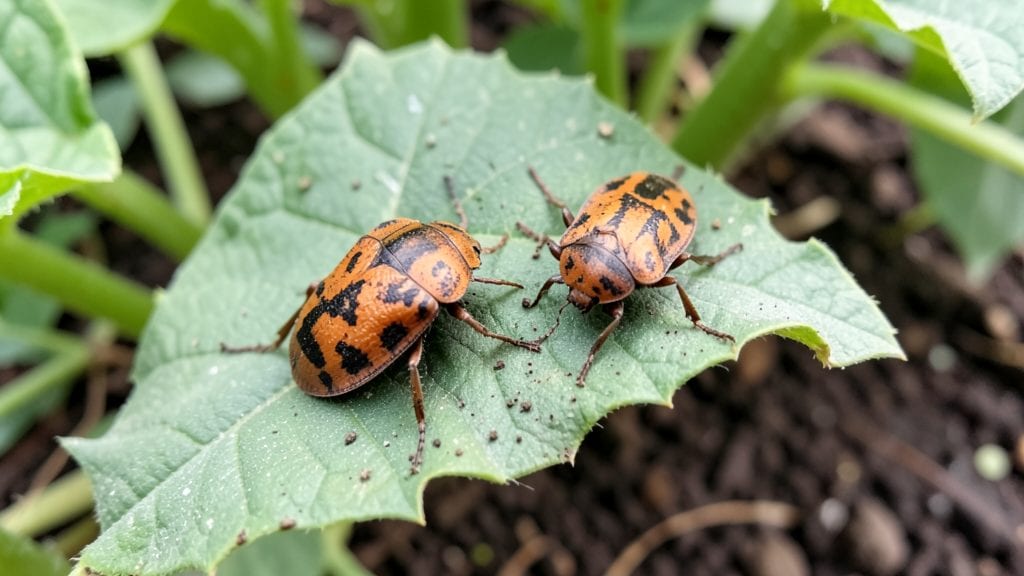
Getting rid of potato bugs in your garden starts with knowing their weak spots—because these striped invaders chew through plants faster than you can say "harvest ruined." 🌱 I’ve battled them for years, and the key is stopping them before they lay eggs, not after they’ve turned your potato leaves into lace.
The right barriers, traps, and timing can make all the difference between a thriving patch and a skeleton plant.
Most gardeners reach for sprays first, but the real game-changer is prevention—think row covers, companion plants, and hand-picking eggs before they hatch. I’ve tested everything from diatomaceous earth to neem oil, and some methods work better in early season while others shine when beetles are already munching.
The secret? A layered approach that confuses their senses and cuts off their life cycle.
By the time you’re done reading, you’ll spot the first signs of an infestation before it spreads, and you’ll have three foolproof tactics to keep your potatoes safe.
No more watching your plants turn into Swiss cheese overnight. The best part? These methods work for eggplants, tomatoes, and peppers too—so your whole garden gets protection.
Whether you’re dealing with a small backyard plot or a larger farm, these strategies adapt easily. The only real rule? Stay one step ahead of those yellow-and-black striped bullies. Let’s get your garden back—and keep it that way.
Root Causes Of Garden Invaders
Potato bugs—whether they’re the Colorado potato beetle or aphids—don’t just show up in your garden for fun. Their presence is usually a sign of an imbalance in your growing environment.
Understanding the why behind these pests helps you tackle the problem at its source. Let’s break down the key reasons these critters crash your garden party.
Potato bugs, especially Colorado potato beetles, thrive in dense, unmanaged plantings. Here’s why:
- Lack of airflow creates a humid microclimate, which aphids and beetles love. Stagnant air traps moisture, making plants more vulnerable to stress—and stressed plants attract pests. - Monoculture gardens (planting the same crop repeatedly) remove natural biodiversity.
Without predator insects (like ladybugs or lacewings) or competing plants, potato bugs have a feast with no competition. - Weeds and debris provide hiding spots. Overgrown areas give pests shelter from birds, spiders, and other natural enemies.
Actionable insight: Rotate crops yearly and space plants 12–18 inches apart for better airflow. Mulch sparingly—thick mulch layers can trap pests, not deter them.
Potato bugs aren’t picky—they’ll munch on anything weak. But poor soil health makes plants extra tempting:
- Low nitrogen weakens plant defenses. Beetles and aphids detect stressed foliage and target it first. - Excess phosphorus (from over-fertilizing) can make plants grow rapidly but soft—easy pickings for chewing insects. - Compacted or waterlogged soil starves roots, leading to stunted growth.
Weak plants can’t fend off pests effectively.
Science check: A soil test (available at garden centers) reveals imbalances. Amend soil with compost (not synthetic fertilizers) to boost microbial life, which naturally deters pests.
Climate plays a huge role in potato bug outbreaks. Here’s how:
| Weather Factor | How It Helps Pests | What You Can Do |
|---|---|---|
| Warm, dry springs | Beetles emerge early; eggs hatch faster. | Plant early-season trap crops (like mustard greens) to lure them away. |
| Cool, wet summers | Aphids multiply rapidly in damp conditions. | Improve drainage; use row covers to block moisture-loving pests. |
| Late-season heat waves | Stressed plants release chemical signals that attract beetles. | Prune to reduce foliage stress; avoid overwatering. |
Pro tip: 🌡️ Monitor your local growing degree days (a measure of heat accumulation) to predict beetle emergence. Many extension services provide free alerts!
A healthy garden is a balanced ecosystem. When predator populations drop, potato bugs take over:
- Lack of diversity = fewer birds, toads, or parasitic wasps to keep pests in check. - Pesticide use (even "organic" sprays) can kill beneficial insects like lacewings or ground beetles. - Monoculture disrupts food chains.
For example, dill or fennel attract parasitic wasps that prey on aphids—but if you only grow potatoes, these helpers vanish.
Solution: Plant companion flowers (marigolds, alyssum) near potatoes to attract predators. Avoid broad-spectrum sprays—opt for neem oil or soapy water sprays instead.
Not all potatoes are equally appealing to bugs. Some varieties are naturally resistant or less palatable:
- Russet potatoes are a favorite of Colorado potato beetles because their leaves are tender and high in water content.
- Fingerling or heirloom varieties (like 'Yukon Gold') often have thicker skins or bitter compounds that deter pests.
- Late-maturing potatoes stay in the ground longer, giving beetles more time to reproduce.
Smart swap: Try 'Red Pontiac' or 'Kennebec'—they’re less targeted by beetles. Or grow potato traps (like 'Green Mountain') to lure pests away from your main crop.
Potato bugs overwinter in garden debris. If you don’t clean up:
- Beetle eggs hide in old plant stems or soil.
- Aphids survive in weedy patches near your garden.
- Rotten tubers left in the ground become a protein source for emerging pests.
Non-negotiable step: After harvest, remove all plant debris and till the soil to expose overwintering eggs to predators (like birds) or freeze. Store potatoes in a cool, dark, dry place—not in the garden!
Potato bugs don’t appear randomly—they’re drawn by weak plants, poor soil, lack of predators, and sloppy garden hygiene. The good news? Fixing these issues reduces future infestations without harsh chemicals. Start with soil health, diversity, and cleanup, and you’ll see fewer unwelcome visitors next season. 🚜✨
Natural Fixes That Actually Work
Now that you know why potato bugs (like Colorado potato beetles, flea beetles, and wireworms) are crashing your garden party, let’s roll up our sleeves and tackle them—without relying on harsh chemicals.
Below, we’ve mapped out targeted solutions for each common cause, along with preventive strategies to keep your potatoes (and sanity) intact.
Fix: Give your plants space and strengthen their defenses.
- 🌱 Rotate Crops Religiously Potato bugs thrive where they’ve feasted before. Avoid planting potatoes, tomatoes, or eggplants in the same spot for 3–4 years. Keep a garden journal to track rotations!
- 🌿 Interplant with Repellents Bugs hate strong scents. Tuck in basil, marigolds, or nasturtiums between your potatoes. Bonus: These plants also boost flavor and deter other pests like aphids.
- 💪 Boost Plant Health Healthy plants fight off pests better. Use compost or fish emulsion to give your potatoes a nutrient boost. Weak plants = all-you-can-eat buffet for bugs.
Fix: Smash the life cycle before it starts.
- 🔍 Scout Early & Often Check undersides of leaves and soil cracks for tiny orange eggs (Colorado potato beetles) or tiny black eggs (flea beetles). If you spot clusters, scrub them off with soapy water or cover with row fabric immediately.
- 🌡️ Heat Treatment for Eggs Colorado potato beetle eggs hate heat. After planting, cover rows with black plastic mulch for 2–3 weeks. The trapped heat boils eggs alive (yes, really). Remove mulch before planting to avoid overheating roots.
- 🐝 Encourage Predatory Bugs Ladybugs, lacewings, and parasitic wasps devour potato bug eggs. Plant dill, fennel, or yarrow to attract them. Skip pesticides—these guys are your free cleanup crew!
Fix: Trap, trap, trap—then remove them manually.
- 🍎 Beer Traps (Yes, Really!) Bury a shallow container (like a tuna can) filled with beer near your plants. The beetles crawl in, get drunk, and drown. Refresh every few days. 🍺🐞
- 🕷️ Diatomaceous Earth (DE) Barrier Sprinkle food-grade DE around plants (but not directly on leaves—it can harm bees). It’s like tiny glass shards that dehydrate beetles in 48 hours. Reapply after rain.
- 🧤 Handpick Like a Pro Wear gloves and pluck beetles into soapy water (they’ll dissolve instantly). Do this early in the morning when they’re sluggish. Pro tip: Use a white sheet to shake plants over it—beetles stand out against the fabric.
Fix: Starve them out or trap them before they strike.
- 🌾 Use "Beetle Banks" Bury a sod strip (grass patch) near your garden. Wireworms love grass roots—they’ll migrate there, leaving your potatoes alone. Dig up and burn the sod in fall to kill them.
- 🥔 Plant Trap Crops Grow wheat, oats, or buckwheat nearby. Wireworms prefer these over potatoes. After harvest, till them under to expose the pests to birds and predators.
- 🔥 Solarization (For Serious Infestations) In late spring, cover moist soil with clear plastic for 4–6 weeks. The sun cooks wireworms alive (temperatures hit 120°F+). Only do this if your climate cooperates—it’s extreme but effective.
Stop potato bugs before they start with these low-effort habits:
- 🛡️ Row Covers to the Rescue Use floating row covers (lightweight fabric) over young plants. Beetles can’t chew through it, and it lets pollinators (like bees) through. Remove when flowers appear.
- 🌿 Mulch Smartly Straw or grass clippings suppress weeds (which attract bugs) and keep soil moist, making it harder for beetles to lay eggs. Avoid wood chips—they can harbor pests.
- 🚫 Avoid Late Plantings Potato bugs time their life cycle with potato growth. Plant early-season varieties or use container growing to harvest before beetles peak (usually June–August).
- 🧹 Clean Up Debris Remove old plant debris in fall—it’s a hotel for overwintering bugs. Compost only after freezing to kill hidden eggs.
Final Pro Tip: 💡 Combine methods for best results. For example:
- Rotate crops + interplant with marigolds + use row covers early.
- Solarize soil in spring + plant trap crops + handpick daily.
Potato bugs are annoying but beatable—with consistency and a mix of these tricks, your garden will be bug-free and bountiful in no time. Now go forth and reclaim your spuds! 🥔💪
Frequently asked questions
What are the most common types of "potato bugs" I might find in my garden?
The term "potato bugs" usually refers to Colorado potato beetles (yellow-and-black striped) or flea beetles (tiny, jumping black bugs). Wireworms (pale, worm-like larvae) and aphids also target potatoes. Colorado beetles are the worst offenders—they devour leaves and lay orange eggs on undersides.
How do I tell if my potatoes are being attacked by bugs before the damage is severe?
Watch for chewed leaves (especially lacy holes), tiny orange or black eggs on stems, or wilting plants despite good water. Check undersides of leaves daily—early detection means you can remove eggs before they hatch. Early signs include clusters of tiny beetles on foliage.
Is it safe to use neem oil on potatoes, or will it harm the plants?
Neem oil is safe for potatoes when used correctly—apply it evening or early morning to avoid harming bees. Mix 1 tablespoon per quart of water and spray foliage thoroughly. Reapply every 5-7 days during infestations. It disrupts beetle life cycles but won't kill established pests instantly.
Can I still harvest potatoes if I see bugs on the plants?
Yes! Potato bugs only eat leaves—they never attack the tubers below ground. Keep harvesting as usual, but focus on removing adult beetles and eggs to protect future growth. Healthy foliage helps tubers develop properly.
What's the fastest way to eliminate an existing infestation?
For immediate results, combine handpicking beetles (drop them in soapy water) with diatomaceous earth around plants (reapply after rain). Add row covers during peak beetle activity (June-August). This 3-step combo stops reproduction while dehydrating adults in 48 hours.