
Watering
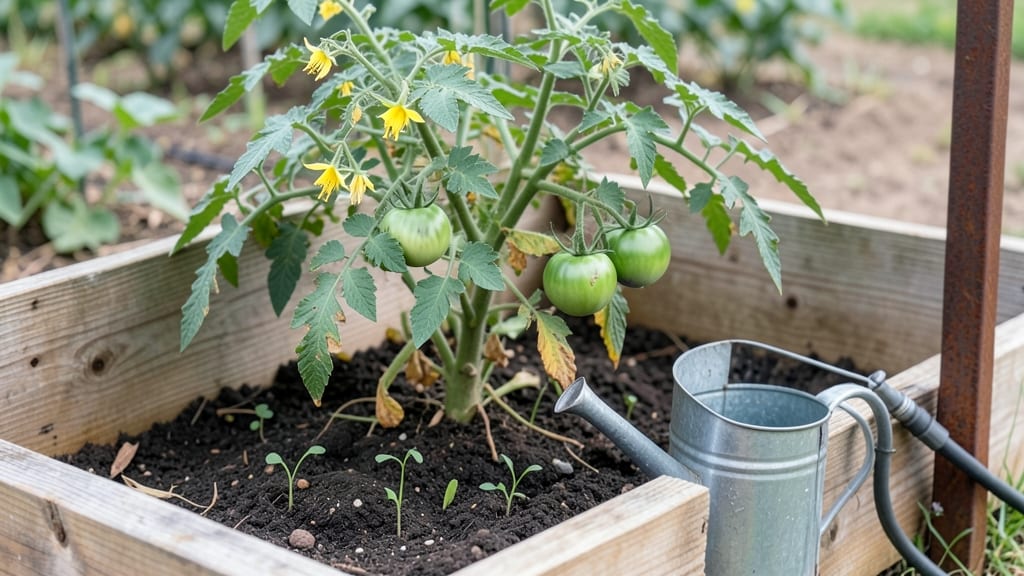
Watering your garden in summer is all about knowing how often to water—because once the sun cranks up, guesswork leads to wasted water or sad, wilted 🌱 plants.
Summer’s scorching heat can turn your lush garden into a crispy disaster if you don’t water correctly—but guessing how often is a recipe for over- or under-watering. The truth? Science reveals a precise schedule that keeps roots happy, saves water, and prevents wilting.
Most garden plants need 1 to 2 inches of water per week in summer, but that changes with soil type, plant variety, and your local climate. Sandy soil drains fast, while clay holds moisture longer, and a drought spell means deeper watering more often.
Below, I break down the exact watering schedule by plant type, how to spot when your garden is thirsty (or drowning), and the smartest ways to water so you save time and resources—no more guessing, just thriving plants.
Science-backed watering frequency by plant type in summer heat
Summer heat doesn’t treat all plants equally—what works for tomatoes can stress lavender or drown succulents. The key lies in root depth, soil type, and plant physiology. Shallow-rooted lettuce needs frequent sips, while deep-rooted roses thrive on deep watering every 3-4 days.
Science shows that 1-2 inches of water per week is the baseline, but clay soil holds moisture longer than sandy soil, and mulch can cut evaporation by 30-50%. Let’s break it down by plant category so you water like a pro, not a guesser.
Most gardeners make two critical mistakes: shallow watering (encouraging roots to stay near the surface) and inconsistent schedules (leading to stress cycles). Research from the University of California Cooperative Extension proves that deep, infrequent watering trains roots to grow downward, making plants 20% more drought-resistant.
For example, peppers and eggplants need 1-1.5 inches of water twice weekly, while herbs like rosemary prefer once-weekly deep soaks. The secret? Water until the soil is moist 6 inches deep—use a soil probe or your finger to check.
Soil type is the silent watering scheduler. Sandy soil drains fast, requiring daily watering in 90°F+ heat, while clay soil can go 5-7 days between waterings. Amend heavy clay with compost to improve drainage, and add organic matter to sandy soil to retain moisture. Mulching with wood chips or straw keeps soil temps 10°F cooler and reduces water loss by up to 50%. Pro tip: Apply 3-4 inches of mulch, keeping it 2 inches away from stems to prevent rot.
Mulch isn’t just for looks—it’s a water-saving superhero. Studies show mulched beds retain moisture 3x longer than bare soil. For vegetable gardens, use straw or grass clippings; for perennials, shredded bark works best. Avoid plastic mulch in summer—it traps heat and can cook roots. Instead, opt for living mulches like clover under fruit trees to suppress weeds while hydrating soil.
Here’s the golden rule: Water in the morning (before 10 AM) to let foliage dry before nightfall, reducing fungal diseases like powdery mildew. Evening watering is a no-go—wet leaves overnight create the perfect blight breeding ground.
Use a rain gauge or tuna can to measure 1 inch of water—that’s about 6-10 minutes per sq ft with a hose. For container plants, check soil moisture daily; pots dry out 3-5x faster than ground soil.
Now, let’s get to the nitty-gritty.
Not all plants play by the same rules. Leafy greens like spinach and kale wilt fast in heat—they need daily watering in summer. Root crops such as carrots and beets prefer consistent moisture but hate soggy soil. Fruiting plants like tomatoes and cucumbers thrive on deep watering every 2-3 days, while drought-tolerant plants like lavender and yarrow can survive on weekly waterings.
The table below breaks it all down by category.
🌱 Pro Tip: Group plants with similar water needs together in your garden layout. This zone watering method saves time and water—no more running back and forth with the hose!
💧 Warning: Overwatering is just as deadly as underwatering. Yellowing leaves, mushy stems, and root rot are red flags. If your soil smells sour or feels slimy, you’ve overdone it. Let the top 2 inches dry out between waterings for most plants.
🌿 Key Insight: Lawns are the thirstiest garden residents. Cool-season grasses like fescue need 1-1.5 inches per week, while warm-season grasses such as Bermuda prefer deep, infrequent watering (every 4-5 days).
Water lawns early morning to avoid fungal growth, and never water at night—it’s a disease magnet.
🌻 Remember: Heatwaves change the game. When temps hit 95°F+, increase watering by 30-50%. Monitor your garden daily—if leaves curl or droop by noon, it’s time to hydrate ASAP. For container gardens, move pots to shadier spots during extreme heat to slow evaporation.
🌱 Final Advice: Invest in a moisture meter or soil probe—it’s the best $20 you’ll spend this summer. These tools tell you the real story beneath the surface, so you’re not guessing whether your roses are thirsty or your succulents are drowning.
🌿 Action Step: Grab a notebook and track your garden’s water needs for 2 weeks. Adjust based on rainfall, temperature spikes, and plant responses. Before you know it, you’ll have a custom watering schedule tailored to your microclimate.