
Companion Plants
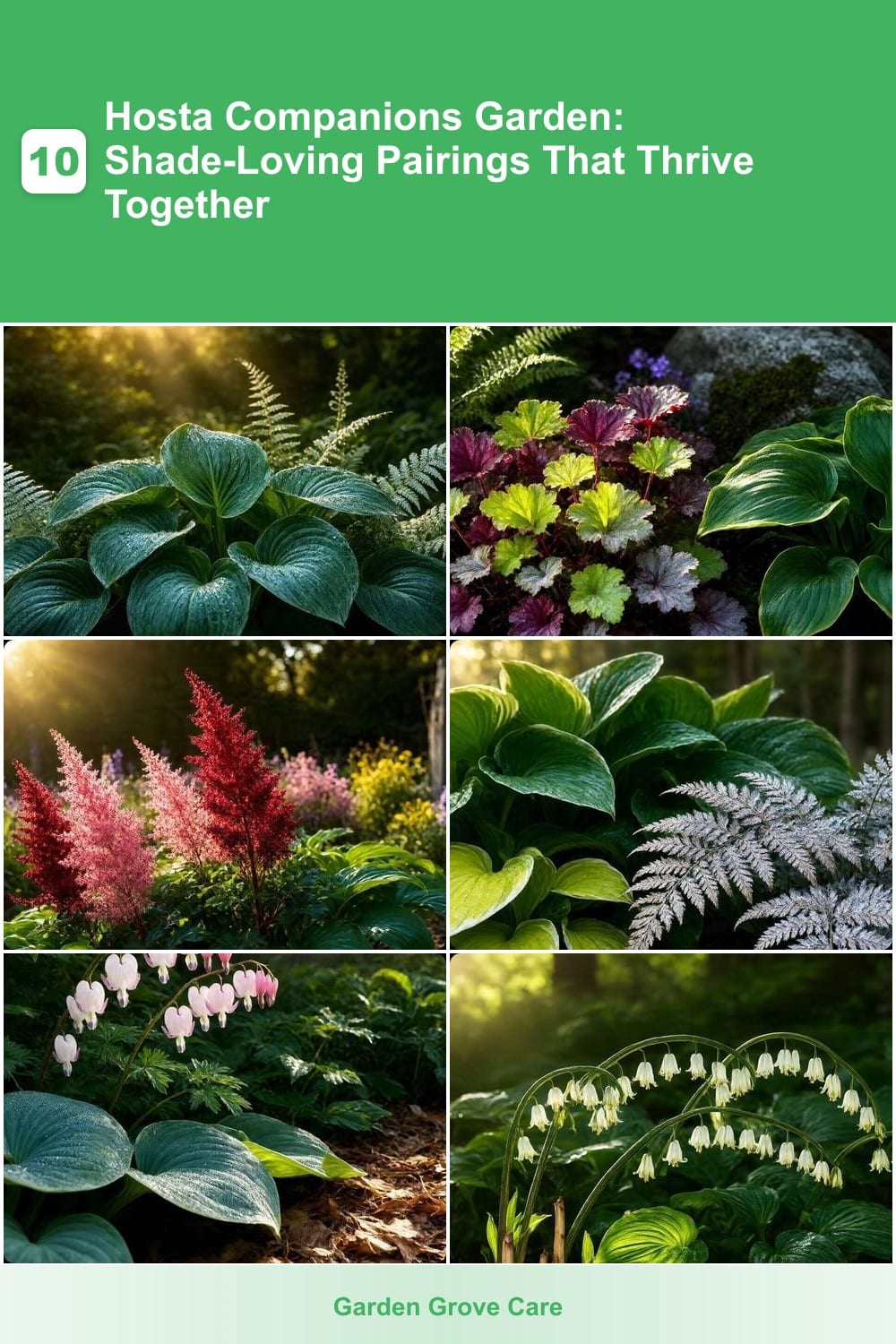
Hostas are shade garden staples, but their true beauty shines when paired with complementary plants. These seven shade-loving companions elevate your garden by enhancing texture, color, and seasonal interest while creating a thriving low-maintenance ecosystem.
Fern Varieties for Lush Texture Contrast
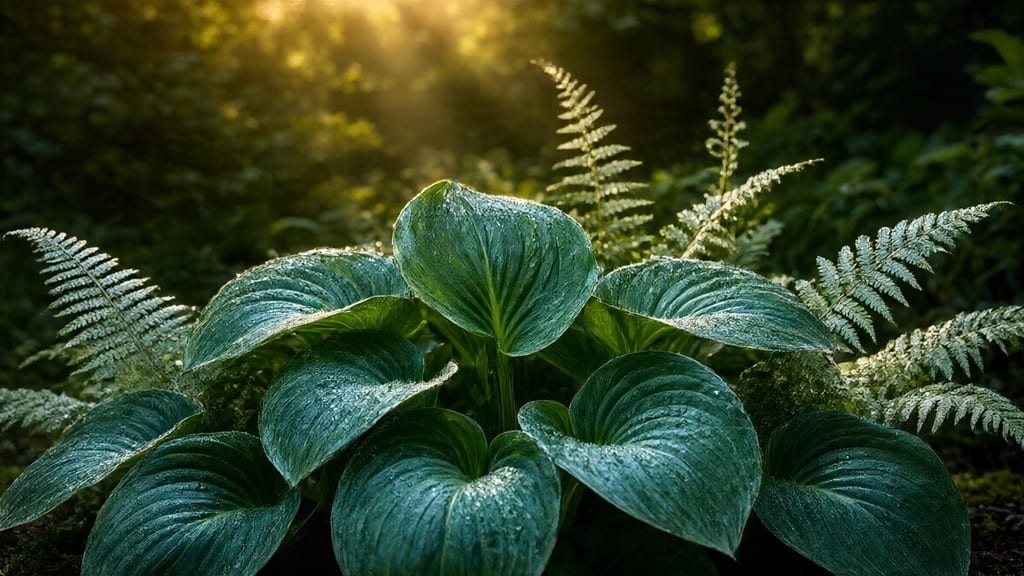
If your shade garden feels flat despite stunning hostas, delicate ferns are the secret weapon to add ethereal texture. Their lacy fronds create a soft, airy contrast that makes hosta's bold leaves stand out—like a watercolor painting with depth.
Try maidenhair fern for its fine, almost translucent foliage or Japanese painted fern for silvery-green fronds with burgundy highlights. Both thrive in partial to full shade and prefer consistently moist, well-draining soil—just like hostas. Plant them in front of hostas to frame their leaves or intersperse them for a cascading effect.
This pairing is perfect for gardeners who love low-maintenance elegance and want to extend their shade garden's visual appeal year-round. The contrast creates instant sophistication with minimal effort. 🌿
Heuchera for Striking Color Accents
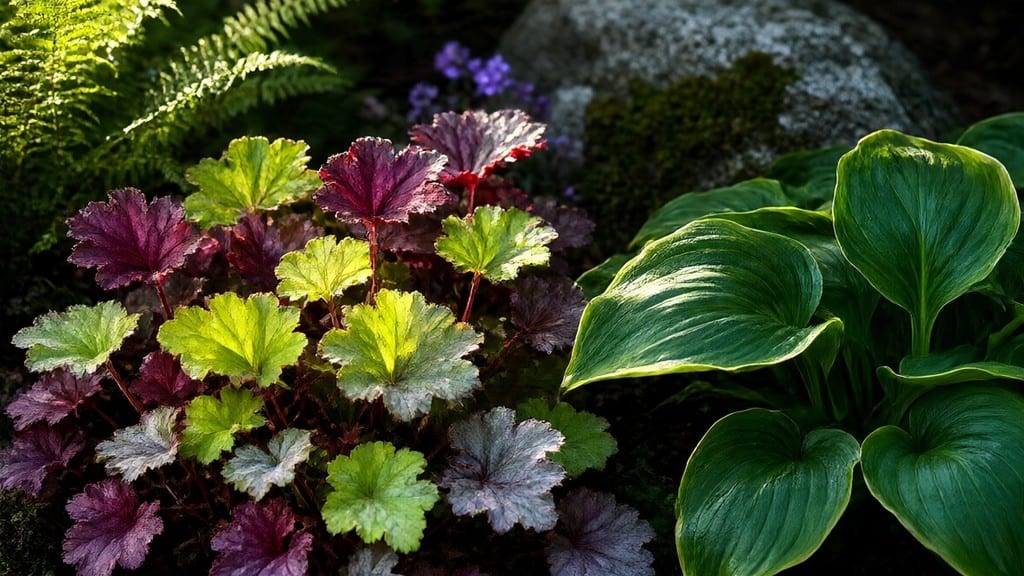
Looking for a shade-loving plant that adds year-round color without the fuss? Heuchera, or coral bells, is your secret weapon. Their velvety foliage comes in shades of purple, lime green, and even silver, creating bold contrasts against hosta’s deep greens while requiring the same care.
Start by planting Heuchera varieties like 'Palace Purple' alongside hosta 'Blue Angel' for a striking purple-and-blue duo. Both thrive in partial to full shade and moist, well-draining soil, making them effortless companions. In spring, delicate blooms add height, while autumn’s fiery foliage ensures seasonal interest—no extra work required.
This pairing is perfect for gardeners who love low-maintenance color but want to avoid boring green shades. Plus, Heuchera’s compact size keeps it from overwhelming hostas, making it ideal for borders or woodland gardens. 🌟
Astilbe for Airy Summer Blooms
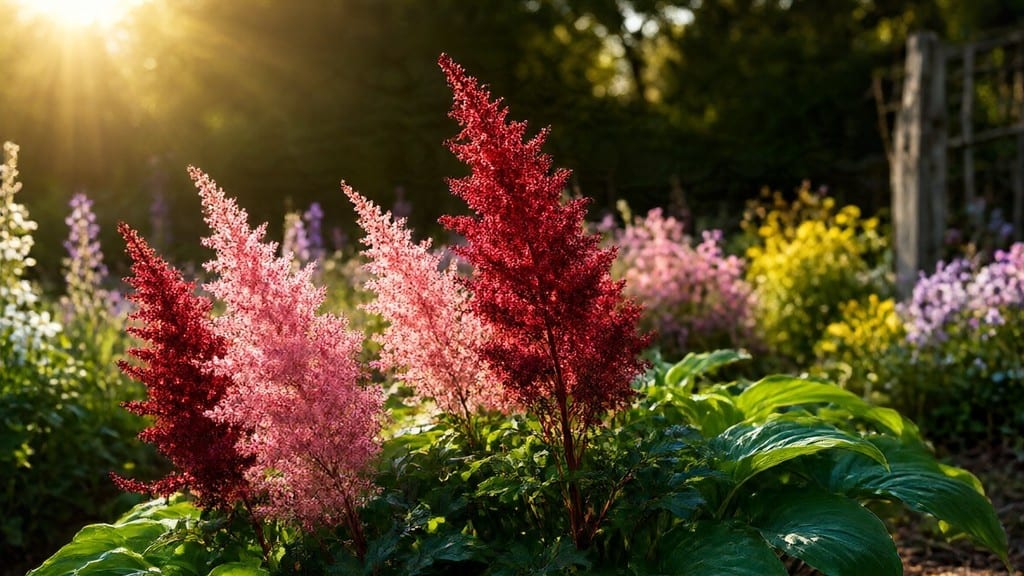
When your hosta foliage reaches its peak in midsummer, astilbe swoops in with its feathery plumes to extend the seasonal show. These airy blooms create vertical movement that lifts the eye upward, perfect for cottage gardens craving soft, romantic charm.
Plant astilbe varieties like 'Fanal' (deep pink) or 'Deutschland' (white) at the front of your hosta clumps, where their 1-3 foot height contrasts beautifully with hostas' low-growing leaves. They thrive in partial to full shade and moist, well-draining soil—just like hostas—making them effortless neighbors. For maximum impact, choose colors that complement your hosta's foliage, like soft pinks with chartreuse varieties.
This pairing is ideal for gardeners who love late-summer color without the fuss of high-maintenance plants. The feathery texture also adds movement to still shade gardens, creating a dreamy, layered effect. 🌷
Japanese Painted Fern for Seasonal Interest
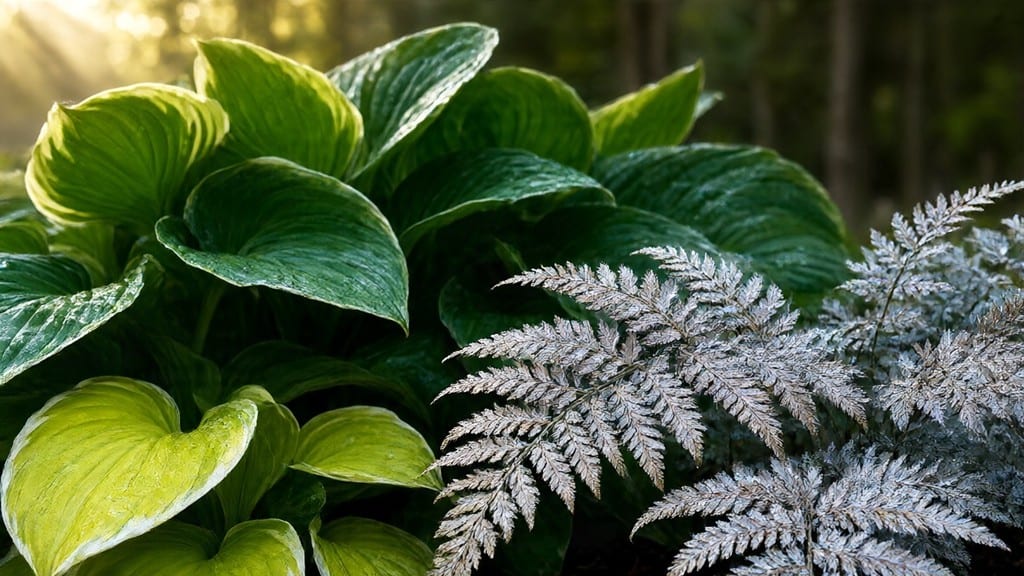
When your hosta garden needs a year-round partner that doesn’t compete for space or nutrients, the Japanese painted fern (Athyrium niponicum var. pictum) is your secret weapon. Unlike other ferns that fade in winter, its silvery-blue and green fronds hold their color through cold months, creating a striking contrast against hosta’s deep foliage.
This fern stays compact (12-18 inches tall) and spreads slowly, making it ideal for tucking between hosta clumps without crowding their roots. It thrives in partial to full shade and consistently moist soil—just like hostas—while adding delicate texture that softens their bold leaves. A bonus? Its winter hardiness (zones 4-8) means no seasonal replacements needed.
Perfect for gardeners who want low-maintenance elegance with minimal upkeep, this fern turns hosta beds into four-season displays without the fuss. 🌿
Bleeding Heart for Spring Elegance
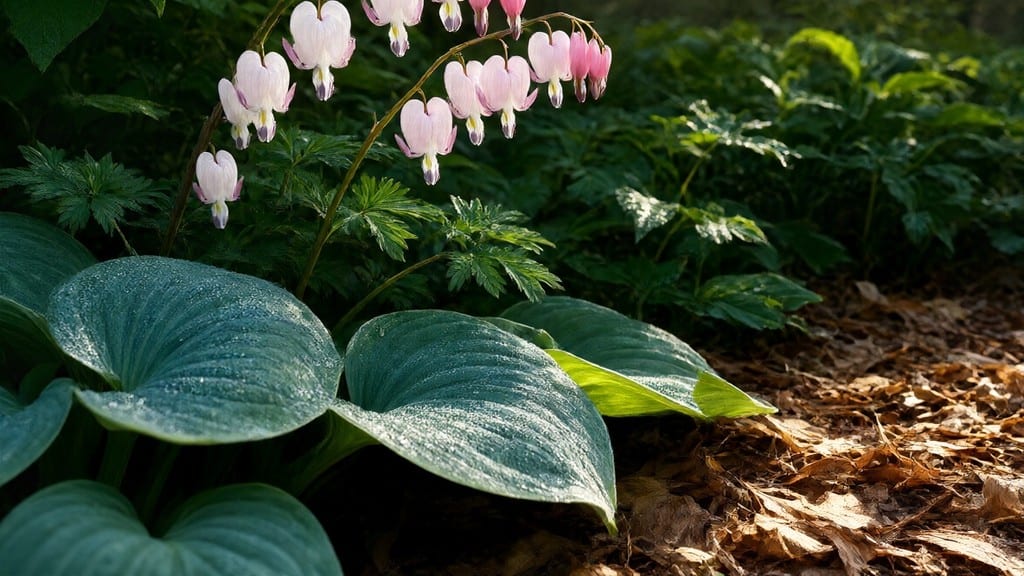
When your hostas are just waking up from winter dormancy, bleeding heart (Dicentra spectabilis) swoops in with soft pink or white heart-shaped blooms that create a dreamy spring tableau. This classic shade perennial delivers early-season color—often flowering in late April or May—just as hosta foliage begins its dramatic unfurling, creating a seamless transition from winter to spring.
Both plants thrive in partial to full shade and prefer moist, well-draining soil, making them effortless neighbors. Plant bleeding heart slightly in front of taller hostas to let its arching stems cascade gracefully, while its delicate foliage contrasts beautifully with hosta's bold textures. For prolonged blooms, deadhead spent flowers and provide consistent moisture—they reward you with a second flush of blooms in late summer.
This pairing is perfect for gardeners who crave romantic, cottage-style gardens with minimal effort. The combination of bleeding heart's ethereal flowers and hosta's lush foliage creates a low-maintenance focal point that sings "spring is here." 🌷
Solomon's Seal for Architectural Structure
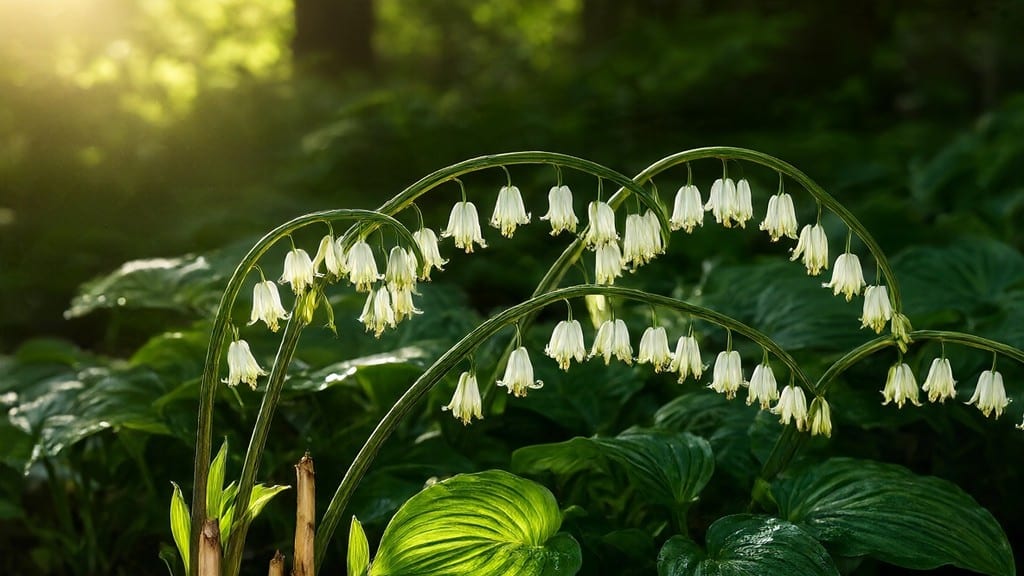
Looking for a way to add three-dimensional interest to your hosta garden without sacrificing shade tolerance? Solomon's Seal transforms flat planting beds into dynamic architectural displays with its graceful, arching stems that reach 2-3 feet tall while spreading just 18 inches wide.
This perennial thrives in the same partial shade conditions as hostas, producing dangling white or greenish flowers in spring followed by glossy seed pods that persist through summer. The contrasting growth habits create natural vertical lines that draw eyes upward, while its deep roots prevent competition with hosta rhizomes.
Perfect for gardeners who want structure without high maintenance, Solomon's Seal offers year-round interest and pairs beautifully with hostas in woodland gardens or shady borders. 🌿
Moss for Natural Ground Cover
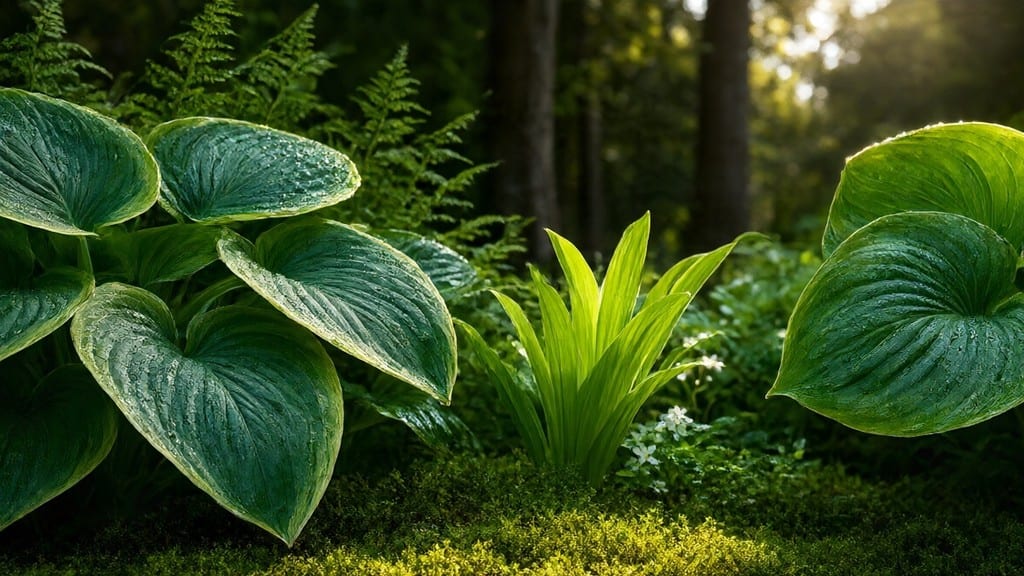
Skip the mulch and let moss weave its magic between your hostas for a velvety, weed-free carpet that feels like stepping into a fairy tale. Unlike traditional ground covers, moss thrives in the same shady, moist conditions hostas love while adding a lush, emerald-green texture that makes foliage stand out even more.
To establish moss, keep the area consistently damp for 4-6 weeks—think of it as a spa treatment for your soil. Once established, moss requires zero maintenance beyond occasional misting during dry spells. It naturally suppresses weeds by blocking sunlight and retains moisture better than mulch, making it perfect for woodland gardens where summer drought can stress plants.
This living ground cover is ideal for gardeners who want a low-effort, high-impact solution that enhances hosta displays while reducing chores. 🌿