
Tools
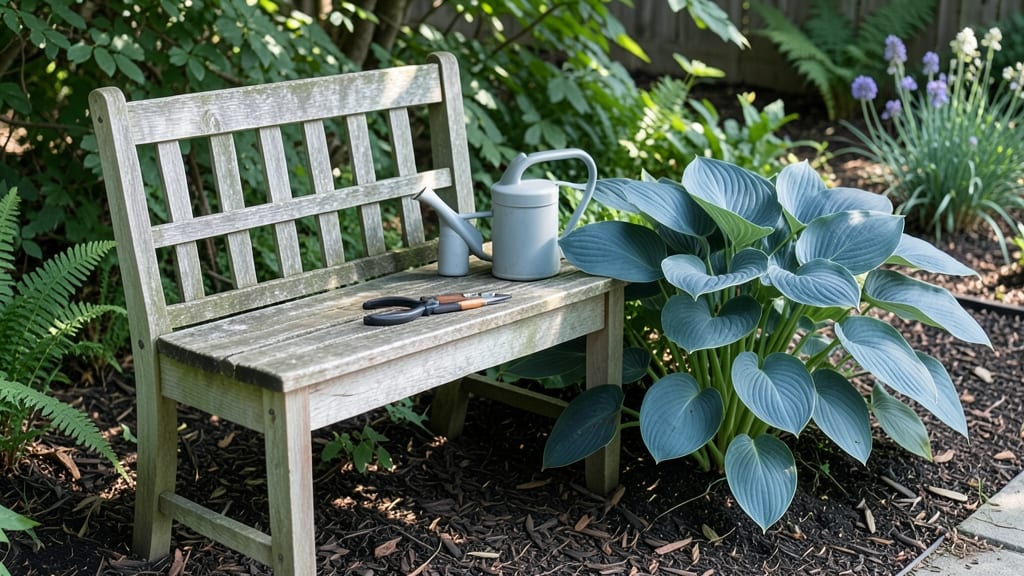
A Japanese shade garden brings quiet beauty to dim corners where other plants struggle. ✨ I designed mine under a mature oak, and now it’s a lush retreat that feels like stepping into a forest temple.
The key isn’t forcing vibrant blooms—it’s celebrating texture, shadow play, and the subtle movement of leaves in dappled light.
Start with hostas for bold foliage, fern varieties for delicate fronds, and azaleas for seasonal bursts of color. Add smooth river stones for pathways, moss to soften edges, and maybe a small bamboo fountain for the sound of water.
These elements work together to create depth without overwhelming the space—think layers, not clutter.
By late summer, your garden will hum with life even in the shade: velvety hosta leaves, feathery ferns, and the occasional delicate azalea bloom. The air stays cooler, the light dances through the canopy, and you’ll find yourself lingering longer than anywhere else in the yard.
This design thrives in zones 5-8, but the principles adapt anywhere with low light. Whether you have a full forest floor or just a north-facing corner, the same serene layers will transform it into a tranquil escape. Let’s make it happen step by step.
📚 In This Guide
- What you need
- Instructions
- Tips and common mistakes
- Wrapping up and next steps
What you need
- ● Soil & Amendments: Well-draining, organic-rich soil (2–3 cubic yards, depending on garden size)
- ● Compost or aged manure (1–2 bags, 40 lbs each)
- ● Perlite or sand (1–2 bags, 50 lbs each, for drainage)
- ● Plants (Shade-Tolerant Varieties): Hostas (5–10 plants, varying sizes for texture)
- ● Ferns (e.g., Matteuccia struthiopteris, 3–5 plants)
- ● Japanese maples (Acer palmatum, 1–2 dwarf varieties)
- ● Bamboo (clumping type, 1–2 plants for height)
- ● Moss (e.g., Polytrichum, pre-grown sheets or spores)
- ● Hardware & Structures: Gravel or decomposed granite (1–2 bags, 50 lbs each, for pathways)
- ● Stone or slate stepping stones (3–5 pieces, 12"–18" diameter)
- ● Bamboo or wooden stakes (6–10 stakes, 3–4 ft long, for plant support)
- ● Mulch (cedar or pine, 2–3 bags, 2–3 cubic feet each)
- ● Tools: Garden trowel (for planting)
- ● Pruners (bypass type, for trimming)
- ● Rake (for leveling soil)
- ● Wheelbarrow (for moving materials)
- ● Measuring tape (25 ft)
- ● Garden hose with spray nozzle
- ● Water feature: Small bamboo fountain or moss-covered stone basin
- ● Lanterns: Traditional Japanese tōrō (stone lanterns) for ambiance
- ● Decorative rocks: Flat, smooth stones (e.g., akadama) for accents
- ● Koi pond (if space allows, with shade-tolerant aquatic plants)
- ● Wicker or wooden bench for contemplation
Step-by-Step instructions for designing a Japanese shade garden
Transform your shady corner into a tranquil retreat with these time-tested techniques.
🪴 Step 1: Prepare the Foundation and Choose Your Spot
Select a location that receives less than 4 hours of direct sunlight daily—Japanese shade gardens thrive in dappled light or full shade. Clear the area of weeds and debris, then mark a 4-foot diameter circle as your focal point. This will serve as the anchor for your design.
Use a shovel and rake to loosen the soil to a depth of 6 inches, breaking up any compacted layers. Amend the soil with 2 inches of compost to improve drainage and fertility, then mix it in thoroughly. Japanese gardens emphasize natural harmony, so avoid heavy chemical fertilizers—they disrupt the delicate balance.
🌿 Step 2: Layer Plants for Texture and Movement
Start with a 4-inch tall hosta or fern at the center of your circle—these provide the foundational structure. Add 3-4 smaller accent plants like heuchera (coral bells) or ajuga (bugleweed) around the edges, spacing them 12 inches apart. These plants create movement and contrast with their varied foliage.
For height, place 1-2 bamboo or dwarf bamboo plants (like Fargesia) at the back of your design. Their graceful canes add vertical interest without overpowering the space. Avoid planting bamboo too close to structures—it spreads aggressively. Instead, use container-grown specimens if needed.
✂️ Step 3: Add Natural Elements for Serenity
Incorporate 3-5 smooth river rocks or flat garden stones to create a minimalist pathway or border. Arrange them in a loose, organic pattern—never symmetrical. For a water feature, place a small ceramic or stone basin (like a tsukubai) in one corner and fill it with 2 gallons of water. This adds the soothing sound of trickling water.
Weave in 2-3 moss-covered logs or branches (like Pinus or Acer) to evoke a forest floor. Position them horizontally or vertically—just ensure they’re stable. Avoid pressure-treated wood, which can leach chemicals into the soil. Instead, use untreated cedar or naturally weathered wood for a more authentic look.
☀️ Step 4: Mulch and Maintain for Long-Term Elegance
Spread 2 inches of fine bark mulch (like cedar or pine) over the soil surface, keeping it 3 inches away from plant stems. This suppresses weeds, retains moisture, and mimics the natural forest floor. Avoid dyed mulch—it can harm plants and disrupt the garden’s organic aesthetic.
Water deeply once a week during dry spells, ensuring the soil stays evenly moist but not soggy. Japanese shade gardens dislike soggy roots. In the first year, fertilize lightly with organic compost tea every 4-6 weeks to encourage slow, steady growth. Prune spent leaves in early spring to keep the space tidy without disrupting the natural rhythm.
🌱 Step 5: Refine Over Time for Balance
Observe your garden for 3 months, then adjust as needed. If a plant outgrows its space, relocate it or divide it in early spring. Replace any plants that fail to thrive with shade-tolerant alternatives like Helleborus (Lenten rose) or Lamium (dead nettle). The goal is harmony—trust your instincts when making changes.
Add seasonal interest by incorporating 1-2 blooming plants like Actaea (bugbane) or Astilbe in spring/summer. Their delicate flowers contrast beautifully with the lush greenery. Avoid overcrowding—Japanese gardens celebrate emptiness as much as they do foliage. Step back often to ensure the space feels open and serene.
Tips & tricks for perfect Japanese shade gardens
Here's what I've learned after designing and refining these tranquil spaces—simple tricks that make all the difference in creating that authentic Japanese aesthetic.
Location is Everything: That "less than 4 hours of direct sunlight" guideline is non-negotiable. I've seen gardens fail spectacularly when planted in spots with even morning sun—shade-loving plants like hostas and ferns will yellow and struggle. Test your spot for a full day first: if sunlight reaches it for more than 2 hours, find another location. The key is finding that perfect balance between dappled light and full shade, where your plants will thrive without stress.
Soil Prep Matters More Than You Think: Don't skip that 6-inch soil loosening in Step 1—compacted soil is the silent killer of Japanese gardens. I learned this the hard way when my first garden had poor drainage and plants wilted despite regular watering. Use a garden fork to break up compacted layers, and that 2 inches of compost isn't optional—it's the difference between a thriving garden and one that just survives. Think of it as creating a natural sponge that holds moisture without becoming waterlogged.
Plant Placement Creates Movement: When arranging your 3-4 accent plants around the edges, think about how they'll look from different angles. The Japanese concept of "ma" (negative space) is crucial—leave room between plants so each one can breathe and be appreciated individually. I like to arrange them in odd numbers (3 or 5) rather than symmetrical pairs, which creates a more natural, flowing rhythm. And that 12-inch spacing? It's not arbitrary—it gives plants room to grow without competing for nutrients.
Water Features Need Thoughtful Design: That 2-gallon water basin in Step 3 might seem small, but it's perfect for creating the subtle water sounds that define Japanese gardens. Place it near your sitting area so you can hear the gentle trickle while relaxing. For a more advanced touch, consider adding a small bamboo fountain or solar-powered pump to create continuous movement. Just remember: the sound should be soothing, not overwhelming—think of a quiet stream rather than a rushing waterfall.
Pro Tips for Japanese Shade Garden
- Here's what I've learned after designing and refining these tranquil spaces—simple tricks that make all the difference in creating that authentic Japanese aesthetic.
- Location is Everything: That "less than 4 hours of direct sunlight" guideline is non-negotiable.
- Soil Prep Matters More Than You Think: Don't skip that 6-inch soil loosening in Step 1—compacted soil is the silent killer of Japanese gardens.
Frequently asked questions
Got questions about creating or maintaining your own Japanese shade garden? You’re not alone! Here are some of the most common inquiries—plus straightforward answers to help you craft your tranquil retreat.
What are the best low-light plants for a Japanese shade garden?
A Japanese shade garden thrives with hostas, ferns, heucheras, and Japanese maples—all of which tolerate dappled sunlight. For texture, add pachysandra or foamflower. Avoid sun-loving plants like lavender or succulents; they’ll wilt in shade. Pro tip: Mix evergreens (like pieris) with seasonal bloomers (e.g., bleeding heart) for year-round interest!
How long does it take to establish a Japanese shade garden?
Patience is key! With proper care, you’ll see noticeable growth in 1–2 years, but full maturity (layered foliage, mature trees) takes 5–10 years. Focus on mulching, watering deeply (but not soggy), and pruning selectively. Bonsai-style elements (like dwarf trees) may show progress sooner—think of it as a slow, rewarding art project.
Do Japanese shade gardens need frequent watering?
Not necessarily! Once established (after 1–2 years), these gardens are drought-tolerant thanks to organic mulch (like wood chips) and shade-loving plants. Water deeply 1–2 times per week during dry spells, but avoid overwatering—root rot is a common pitfall. Morning watering is ideal to reduce evaporation.
Can I create a Japanese shade garden without trees?
While trees (like Japanese cedar or ginkgo) provide natural shade, you can use large shrubs (e.g., hydrangeas), arbors with climbing plants (like clematis), or even shade sails for artificial dappled light. The key is layering: ground covers, mid-height plants, and vertical elements (e.g., bamboo screens) mimic a forest’s depth.
How do I keep pests out of my Japanese shade garden?
Prevention is easier than treatment! Neem oil or soapy water sprays deter aphids and slugs (common in moist shade). Encourage beneficial insects (like ladybugs) by planting dill or yarrow nearby. For slugs, set out beer traps or copper tape around borders. Avoid chemical pesticides—they harm the delicate ecosystem!
What’s the secret to achieving that “zen” look?
It’s all about balance and intention! Use odd-numbered groupings (3 stones, 5 plants), natural curves in pathways, and minimalist decor (e.g., a single lantern or moss-covered rock). Avoid symmetry—Japanese gardens embrace wabi-sabi (imperfection). Less is more: let the plants “breathe” and avoid overcrowding.
Wrapping up and next steps
A Japanese shade garden isn’t just a space—it’s a tranquil escape crafted with intention. By blending low-light plants, natural textures, and Zen-inspired design, you can transform even the shadiest corner into a serene sanctuary.
Whether you’re a seasoned gardener or a curious beginner, the key is patience and playfulness with layers.
Ready to bring this calming vision to life? Start small—sketch a simple layout, gather a few key materials, and let nature guide the rest. Your future self (and stressed mind) will thank you! 🌿✨