
Advice
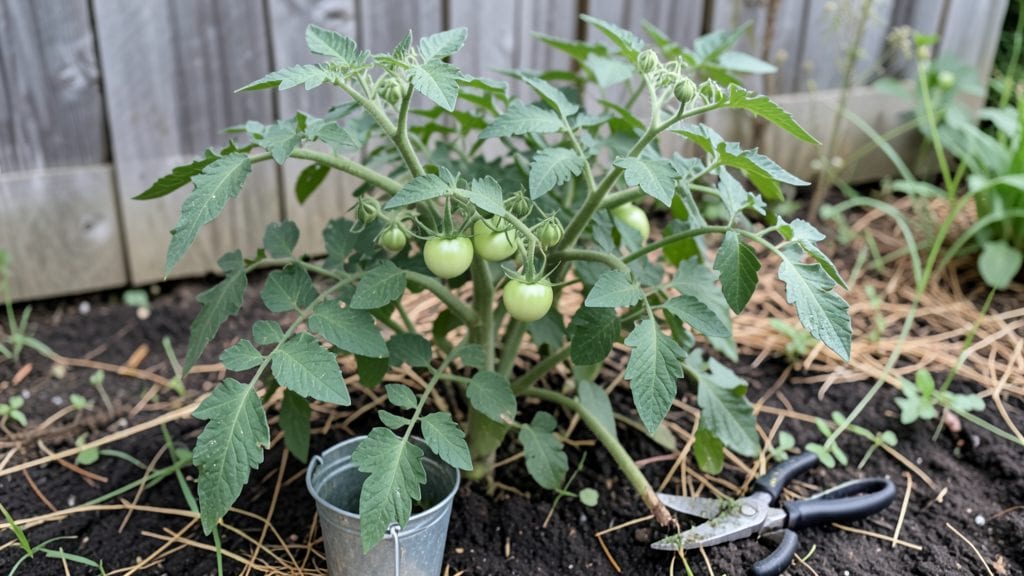
Grandpa’s gardening tips start with one simple truth: the best harvests come from working with nature, not against it. 🌱 He’d say, "A good garden begins before you even plant—with soil that’s alive and ready to feed your crops."
My first lesson? Skip the fancy mixes and dig in some composted leaves or well-rotted manure. The worms do the rest.
Next up: timing and patience. Grandpa swore by the "moon planting" calendar—though he’d laugh and say, "Kids these days overthink it." Stick to the basics: cool-season crops like lettuce and peas go in early spring, while tomatoes and beans wait until after the last frost.
And here’s his secret weapon—mulch. A thick layer of straw or grass clippings keeps weeds down, locks in moisture, and saves you backbreaking work later.
📚 In This Guide
- What you need
- Instructions
- Tips and common mistakes
- Wrapping up and next steps
What you need
- ● Garden Gloves: 1 pair (heavy-duty, waterproof) – Protects your hands from dirt, thorns, and blisters! 💪
- ● Hand Trowel: 1 (6-8" stainless steel) – Perfect for planting seeds, digging small holes, and transplanting seedlings.
- ● Pruning Shears: 1 (bypass or anvil type) – For trimming plants, harvesting veggies, and shaping bushes.
- ● Garden Fork: 1 (heavy-duty, 18-24") – Loosens soil, mixes compost, and helps with root crops like potatoes.
- ● Watering Can or Hose: 1 (with adjustable nozzle) – A 2-gallon can works for small gardens; a hose saves time for larger plots.
- ● Rake: 1 (bendable-tine for leaves, rigid for soil) – Clears debris and levels garden beds.
- ● Wheelbarrow or Bucket: 1 (5-gallon minimum) – Hauls soil, compost, or harvested goods.
- ● Measuring Tape or Ruler: 1 – Ensures proper spacing between plants (Grandpa swears by "the rule of thumb" – 12-24" apart for most veggies!).
- ● Topsoil or Compost: 2-3 cubic yards (depending on garden size) – Mix with existing soil for nutrient-rich beds. Pro tip: Grandpa’s secret? Add a handful of coffee grounds for acid-loving plants like tomatoes!
- ● Seedlings or Seeds: Choose based on your climate and space. Start with easy picks like: Tomatoes (6 plants)
- ● Zucchini (2-3 plants)
- ● Lettuce (10-15 seeds)
- ● Basil (5-10 seeds)
- ● Mulch: Straw or wood chips (1-2 bags) – Retains moisture and keeps weeds at bay.
- ● Fertilizer: Organic options like: Compost tea (homemade or store-bought)
- ● Fish emulsion (for a quick nutrient boost)
- ● Bone meal (for root development)
- ● Knee Pads: 1 pair – Saves your joints for all that bending!
- ● Sun Hat & Sunglasses: 1 each – Because even Grandpa knows sunscreen isn’t enough.
- ● Garden Journal: 1 notebook – Track planting dates, weather notes, and what worked (or didn’t).
- ● Trellis or Tomato Cages: 2-3 – Supports vining plants like cucumbers and tomatoes.
- ● Rain Gauge: 1 – Helps monitor watering needs (Grandpa’s trick: "If it ain’t rained in a week, it’s time to water!").
Step-by-Step instructions for Grandpa's gardening wisdom
Here's how I've adapted my grandfather's foolproof methods for modern gardens.
🌱 Step 1: Start With the Right Soil Prep
Grandpa always said, "Good soil makes good plants." Begin by clearing the area of weeds and rocks, then loosen the top 6-8 inches of soil with a garden fork. This aerates the roots and lets water penetrate deeply. I mix in 2-3 inches of compost—homemade or store-bought—and work it into the soil until it's dark and crumbly.
You'll know it's ready when a handful of soil crumbles easily between your fingers. If it sticks together like clay, add more compost or sand. Grandpa swore by testing soil pH too—most veggies thrive in 6.0-7.0, so a simple kit helps avoid guesswork.
☀️ Step 2: Plant at the Perfect Time
Timing matters more than you'd think. Grandpa tracked the moon phases for planting, but even simpler is waiting until the soil warms to 60°F at least 1 inch deep. Press your finger into the ground—if it feels cool, wait a few days. For cool-season crops like lettuce or peas, plant 4-6 weeks before your last frost date.
I always plant seeds ½ inch deep unless the packet says otherwise. Cover them lightly with soil, then water gently with a fine spray. Avoid soaking the soil—you want it moist but not soggy. Grandpa's trick? Use a sprinkling can with a rose attachment to avoid disturbing seeds.
💧 Step 3: Water Like a Pro
Grandpa's rule: "Water deeply but infrequently." Instead of daily light sprinkles, give plants 1 inch of water per week (more in extreme heat). Water early in the morning so foliage dries by evening—this prevents fungal diseases. Use a rain gauge or tuna can to measure; fill it and see how long the hose takes to deliver 1 inch.
You'll notice wilting leaves if plants need water, but don't wait until then. Instead, check soil moisture by pushing your finger 1 inch deep. If it feels dry, it's time to water. Mulch with 2-3 inches of straw or wood chips to keep moisture in and weeds out—Grandpa called this the "secret to lazy gardening."
✂️ Step 4: Prune and Harvest Smartly
Grandpa believed in "harvesting often keeps plants producing." For tomatoes, I pinch off suckers (those little shoots in leaf axils) to focus energy on fruit. For leafy greens like lettuce, harvest outer leaves first—they regrow quickly. Always use clean, sharp pruners to avoid damaging plants.
Watch for overripe produce too. Grandpa said, "A tomato left too long on the vine gets mealy and loses flavor." Pick zucchini and cucumbers when they're 6-8 inches long for the best taste. And never cut plants back more than ⅓ of their height—this stresses them unnecessarily.
🌿 Step 5: Protect Plants Naturally
Grandpa hated chemicals. Instead, he used companion planting to deter pests. I pair tomatoes with basil to repel flies, and marigolds around the garden keep nematodes away. For pests already present, I spray a mix of 1 tablespoon dish soap + 1 quart water—it kills soft-bodied bugs without harming plants.
You'll see signs of trouble early: chewed leaves, sticky residue (aphids), or yellowing spots. Act fast—Grandpa's motto was, "A small problem now beats a big one later." Rotate crops yearly too; don't plant the same family (like tomatoes and peppers) in the same spot two years in a row.
Tips & tricks for Perfect gardening success
Grandpa's wisdom holds the secret to thriving gardens—here's how to put it to work in your own backyard.
Soil Prep Secret: The 6-8 inch deep loosening in Step 1 isn't just about aeration—it's about creating a sponge-like environment. After working in compost, press your fist into the soil. If it holds together like a brick, you need more compost. If it crumbles like cake, you're golden. Grandpa's pH test was his insurance policy for success—most plants thrive in that 6.0-7.0 range, but leafy greens like spinach prefer slightly higher (7.0-7.5).
Timing is Everything: That 60°F soil temperature in Step 2 is non-negotiable for warm-season crops. I test it by pressing my finger in—if it feels cool to the touch, wait. For cool-season crops, mark your calendar 4-6 weeks before last frost. Pro tip: Use a soil thermometer for accuracy, especially if you're in doubt. Grandpa's moon phase tracking was his superstitious touch, but the soil temperature is science you can rely on.
Watering Wisdom: The 1 inch per week rule in Step 3 works for most gardens, but adjust for your climate. In my dry climate, I actually aim for 1.5 inches during summer. The key is consistency—better to water deeply once than give light sprinkles daily. That 1 inch deep finger check? It's your best friend. If the top inch is dry, it's time to water. And that mulch layer? It's not just decorative—it's your garden's moisture blanket.
Harvesting Hack: When Grandpa said "harvest often," he meant it literally. For tomatoes, I pick when they're firm but still slightly green—they'll ripen off the vine. For zucchini, that 6-8 inch rule keeps them tender. And here's a secret: Harvest in the morning when plants are hydrated. You'll notice the flavor difference immediately, and your plants will keep producing longer. That ⅓ height rule for pruning? It's about balance—never take more than that or you'll stress the plant.
Pro Tips for Grandpa'S Gardening Tips
- Grandpa's wisdom holds the secret to thriving gardens—here's how to put it to work in your own backyard.
- Soil Prep Secret: The 6-8 inch deep loosening in Step 1 isn't just about aeration—it's about creating a sponge-like environment.
- Timing is Everything: That 60°F soil temperature in Step 2 is non-negotiable for warm-season crops.
Frequently asked questions
Got questions?
Grandpa’s wisdom is packed with practical answers—here are some of the most common ones new gardeners ask!
What’s the best time to start a garden?
Grandpa always said, “Start small and start early!” For most veggies, sow seeds indoors 6–8 weeks before the last frost (check your local frost date). Warm-season crops like tomatoes and peppers? Wait until soil is at least 60°F—Grandpa swore by sticking his finger in the dirt to test!
How often should I water my plants?
Grandpa’s rule: Water deeply but infrequently. Most plants prefer 1 inch of water per week (rain counts!). Use a drip irrigation system or water in the early morning to avoid waste and fungal issues. Overwatering? Grandpa called it “drowning your dirt”—check soil moisture before reaching for the hose!
What’s the easiest way to deal with pests naturally?
Grandpa’s go-to tricks:
- Neem oil spray (mix 2 tbsp with a drop of dish soap + 1 quart water)—repels bugs and won’t harm plants.
- Companion planting: Marigolds deter nematodes, basil keeps flies away, and Grandpa’s “old-school” tomato-cabbage pair worked like magic.
- Handpick squash bugs or tomato hornworms—Grandpa did it with a glove and a bucket of soapy water!
Can I grow a garden in containers if I don’t have a yard?
Grandpa grew tomatoes in 5-gallon buckets and herbs in old wine bottles. Key tips:
- Use well-draining soil (mix potting soil with perlite or compost).
- Choose compact varieties like ‘Tiny Tim’ tomatoes or ‘Bush Beans’.
- Place containers in sunny spots (6+ hours of light) and rotate them weekly for even growth.
How do I protect my garden from frost or extreme heat?
Grandpa’s frost hacks:
- Row covers (lightweight fabric) or old bedsheets work like “blankets” for tender plants.
- For heatwaves, mulch with straw to keep roots cool and water deeply at dawn.
- Move potted plants to shadier spots or use shade cloth (30–50% coverage).
What should I do with leftover seeds or plants at the end of the season?
Grandpa never wasted a seed! Here’s what to do:
- Save seeds from heirloom veggies (let them dry, store in envelopes, and label!).
- Donate extras to community gardens or compost them.
- Divide perennials (like asparagus or rhubarb) in fall to refresh growth.
- Take cuttings from herbs (basil, mint) and root them in water for next year!
Wrapping up and next steps
Grandpa’s gardening wisdom proves that patience, preparation, and a little love are all you need to grow a thriving garden! From soil prep to pest control, his timeless tricks—like companion planting and seed-saving—turn even the greenest thumbs into harvest heroes. 🌱
Ready to dig in? Start small—pick one tip from Grandpa’s playbook and try it this season. Before you know it, you’ll be sharing your own bountiful harvests (and maybe even a few secrets of your own!). Happy gardening!