
How To
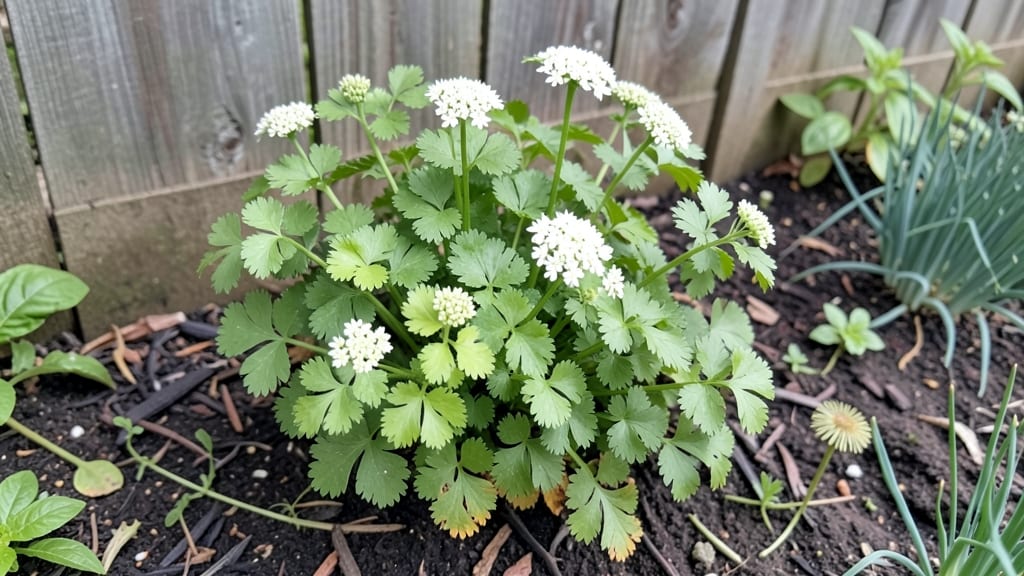
Here are cilantro gardening tips that turn seedling struggles into a harvest of bright, fragrant leaves—just trust the timing and a few foolproof tricks I’ve learned over years of growing. The key?
Planting it twice in the same spot, six weeks apart, so you always have fresh leaves when you need them most. Most people give up after the first batch bolts, but this method keeps your kitchen stocked all season.
Start with loose, well-draining soil that stays consistently moist but never soggy—cilantro hates wet feet. A 5-inch-deep container or raised bed works perfectly, and planting in partial shade during hot months prevents that bitter bolt.
Once established, water at the base (not overhead) to avoid fungal issues, and snip leaves from the top to encourage bushier growth. The secret to keeping it from flowering too soon? Harvest regularly and avoid letting it dry out completely.
📚 In This Guide
- What you need
- Instructions
- Tips and common mistakes
- Wrapping up and next steps
What you need
- ● Cilantro seeds: 1–2 grams (about 50–100 seeds) per planting. Choose heirloom or organic varieties for best flavor.
- ● Potting mix or garden soil: 1–2 bags (1–2 cubic feet) of well-draining, organic-rich soil (pH 6.2–6.8). Avoid heavy clay.
- ● Containers or garden space: Containers: 6–12-inch deep pots (1–2 per planting) with drainage holes.
- ● Garden beds: Full sun (6+ hours/day) or partial shade (4–6 hours). Space plants 6–12 inches apart.
- ● Watering can or hose: With a gentle spray nozzle for even moisture.
- ○ Fertilizer (optional but recommended): Balanced organic fertilizer (e.g., 10-10-10) or compost (1–2 tbsp per plant).
- ● Fish emulsion or seaweed extract for a nutrient boost.
- ● Garden trowel or small shovel for planting.
- ● Mulch (straw or shredded leaves) to retain moisture and suppress weeds.
- ● Pruning shears for harvesting and trimming.
- ○ Shade cloth (optional) for hot climates (30–50% shade during peak sun).
- ○ Row covers (optional) to protect from pests like aphids or flea beetles.
- ● Climate: Cilantro thrives in cool weather (50–75°F). Avoid planting in extreme heat (above 80°F).
- ● Sunlight: At least 4–6 hours of sunlight daily (more = faster growth).
- ● Watering routine: Keep soil consistently moist (not soggy). Water at the base to prevent fungal issues.
- ● Patience: Seeds germinate in 7–14 days, but bolting (flowering) can happen quickly in heat—harvest before it does!
Step-by-step instructions for growing bold cilantro all season
Here's how to grow cilantro that stays lush, flavorful, and ready for harvest for months.
Choose the Right Location and Prepare the Soil
Cilantro thrives in cooler weather and partial shade, so pick a spot that gets 4-6 hours of morning sun and afternoon shade—especially in hot climates. I always test the soil first because cilantro hates soggy roots. Work in a 2-inch layer of compost to loosen the soil and improve drainage. The goal is well-draining, fertile ground that holds moisture without becoming waterlogged.
If you're planting in containers, use a lightweight potting mix with perlite to prevent compaction. Cilantro roots are shallow, so a 6-inch-deep pot is plenty for each plant. Fill it halfway, add a handful of compost, then top with more mix. This ensures your cilantro gets the nutrients it needs without the risk of root rot.
Plant Seeds at the Correct Depth and Spacing
Cilantro seeds are tiny, so I like to sprinkle them directly onto the soil surface rather than trying to measure depth. Press them just barely into the top ¼ inch of soil—no need to bury them deeper. The seeds need light to germinate, and too much depth will delay sprouting. Space seeds ½ inch apart in rows that are 12 inches apart for easy maintenance.
After planting, water gently with a fine spray nozzle until the soil is evenly moist but not soaked. A heavy watering can will dislodge the seeds or create uneven moisture levels. Cover the bed with a 1-inch layer of mulch to retain soil moisture and keep weeds at bay. This step is critical—cilantro seeds need consistent moisture to germinate, but they’ll rot if the soil stays soggy.
Monitor Germination and Thin Seedlings
Germination can take 7-14 days, depending on soil temperature. Keep the soil consistently moist during this time—press your finger ½ inch deep into the soil daily. If it feels dry, water lightly. Once seedlings emerge, they’ll look delicate, but don’t rush to thin them. Wait until they have 2-3 true leaves, which usually takes about 2 weeks.
Use sharp scissors to snip the weaker seedlings at soil level, leaving the strongest plants 2-3 inches apart. This prevents overcrowding, which leads to leggy growth and poor air circulation. I always thin in the early morning or late afternoon to reduce stress on the remaining plants. After thinning, water at the base to settle the soil around the roots.
Maintain Consistent Moisture and Fertility
Cilantro has shallow roots, so it relies on frequent, shallow watering. Water every 2-3 days until the top inch of soil feels dry to the touch. Overwatering is the fastest way to lose cilantro—it causes yellowing leaves and root rot. In hot weather, mulch helps retain moisture, but check the soil daily to avoid letting it dry out completely.
Feed your cilantro with a balanced liquid fertilizer every 3-4 weeks to encourage steady growth. I mix a ½-strength solution of 10-10-10 fertilizer into the watering can and apply it in the morning. This prevents fertilizer burn while providing the nutrients cilantro needs to stay vibrant. Harvest leaves regularly to encourage bushier growth—pinch off the outer leaves when they reach 3-4 inches long.
Prevent Bolting and Extend the Harvest Season
Cilantro bolts (goes to seed) quickly in hot weather, but there are ways to delay it. If temperatures rise above 75°F, move pots to a shadier spot or provide afternoon shade with a lightweight row cover. I’ve also had success harvesting the outer leaves frequently, which encourages the plant to focus on leaf production rather than flowering.
For a continuous harvest, sow new seeds every 2-3 weeks in early spring and late summer. This ensures you always have fresh cilantro on hand. If your cilantro does bolt, don’t throw it out—harvest the seeds for spicy coriander or let the flowers attract pollinators to your garden. With the right care, you can enjoy bold, pungent cilantro leaves for months.
Tips & tricks for perfect cilantro growth
These simple tricks will help you grow cilantro that stays bold and flavorful all season long.
Soil Preparation is Key: Before planting, mix a handful of compost into the top 6 inches of soil to create a nutrient-rich environment. I've found that cilantro responds best to soil that's slightly cooler than the surrounding area—this helps prevent bolting. If you're planting in containers, use a lightweight potting mix with perlite to prevent compaction, which can suffocate those shallow roots.
Germination Secrets: The 7-14 day germination window can be frustrating, but there's a trick to speed things up. After planting, cover the seeds with a thin layer of damp paper towels for 24 hours before covering with soil. This pre-sprouting technique can cut germination time by half. Once you see those first tiny sprouts, maintain consistent moisture by watering every 2-3 days—just enough to keep the top inch of soil damp, never soggy.
Thinning Technique: When it's time to thin your seedlings to 2-3 inches apart, I recommend using sharp scissors rather than pulling by hand. This prevents disturbing the roots of your remaining plants. The best time to thin is early morning when the plants are still turgid with moisture. After thinning, water at the base to help settle the soil around the roots and reduce transplant shock.
Bolting Prevention: The moment temperatures climb above 75°F, your cilantro starts counting down to bolting. To delay this, move containers to a shadier spot immediately and provide afternoon shade with a lightweight row cover. I've also had success harvesting the outer leaves frequently—this signals the plant to focus on leaf production rather than flowering. For continuous harvests, sow new seeds every 2-3 weeks throughout the growing season.
Pro Tips for Cilantro Gardening Tips
- These simple tricks will help you grow cilantro that stays bold and flavorful all season long.
- Soil Preparation is Key: Before planting, mix a handful of compost into the top 6 inches of soil to create a nutrient-rich environment.
- Germination Secrets: The 7-14 day germination window can be frustrating, but there's a trick to speed things up.
Frequently asked questions
Got questions about growing cilantro like a pro?
You’re not alone—this herb has quirks! Here are answers to the most common cilantro gardening dilemmas, so you can avoid frustration and harvest fresh, flavorful leaves all season.
Why does my cilantro bolt so fast?
Cilantro is a cool-weather lover—when temperatures rise above 75°F (24°C), it bolts (goes to seed) quickly. To slow it down, plant in early spring or fall, use shade cloth in summer, or try slow-bolting varieties like ‘Calypso’ or ‘Santo.’ Harvest regularly to encourage leafy growth!
How long does it take to grow cilantro?
From seed to harvest, cilantro typically takes 4–6 weeks for leaves and 6–8 weeks for seeds. For a continuous harvest, sow seeds every 2–3 weeks in warm climates or stagger plantings in cooler zones. Patience pays off—fresh cilantro beats store-bought any day!
Can I grow cilantro indoors?
Use a sunny windowsill (6+ hours of light) or a grow light for 12–14 hours daily. A 6-inch pot with well-draining soil works well. Keep soil moist but not soggy, and rotate the pot occasionally for even growth. Just watch for bolting—indoor temps can trick cilantro into flowering faster!
What pests or diseases should I watch for?
Cilantro is generally pest-resistant, but keep an eye out for aphids, spider mites, or whiteflies (spray with neem oil if needed). Fungal issues like powdery mildew can occur in humid conditions—improve airflow and avoid overhead watering. Rot? Ensure pots have drainage holes and don’t overwater!
What’s the difference between cilantro and coriander?
They’re the same plant! Cilantro refers to the leaves, while coriander is the seed. If you love the flavor but hate the “soapy” cilantro taste, try ‘Cebollita’ or ‘Chinese Parsley’—they’re cilantro relatives with milder, sweeter leaves. Or just use the seeds (ground coriander) in cooking!
Pro Tip: Save seeds for next year!
Let a few cilantro plants bolt and go to seed. Once the seed pods dry and turn brown, harvest and store in a cool, dark place for up to 2 years. It’s free, organic cilantro for your next garden—no store-bought seeds needed!
Wrapping up and next steps
Growing cilantro at home is easier than you think—with the right location, soil, and care, you’ll enjoy fresh, vibrant leaves all season long!
Remember to harvest regularly, protect from pests, and stay patient—bolting is just part of the journey. 🌱 Whether you’re a beginner or a green thumb, your kitchen garden is about to get a flavor-packed upgrade.
Ready to take the next step? Start with a small pot or patch, and soon you’ll be clipping cilantro for tacos, soups, and salads like a pro. Happy gardening!