
Trees
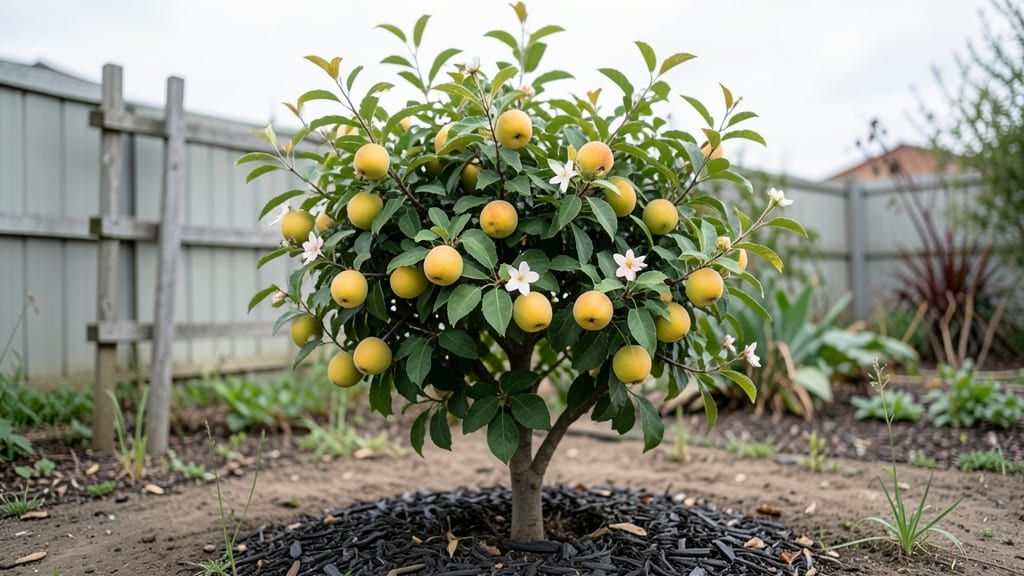
The Garden Gold miniature peach tree delivers full-sized fruit from a tree that fits in your backyard—or even a large pot. 🌱 I planted mine last spring, and now I’m harvesting sweet, golden peaches that look like they belong in an orchard, not my suburban front yard.
The secret lies in its dwarfing rootstock, which keeps the tree under 6 feet tall while still producing 20-30 pounds of fruit per season—enough for fresh eating, jam, or gifting.
This peach thrives where full-size trees fail: small yards, urban balconies, or containers. It needs 6-8 hours of sun daily and well-draining soil (amend heavy clay with compost), but the real magic happens when you prune strategically—opening the center for airflow and shaping it like a vase.
Water deeply once a week during dry spells, and you’ll avoid the cracking fruit that plagues many peach growers. The first harvest comes in late summer, and the flavor? Rich, buttery, and way better than store-bought.
Pests like aphids and peach tree borers can be a nuisance, but a neem oil spray in early spring keeps them at bay. For container growers, choose a 15-gallon pot with drainage holes and replant every 3-4 years to refresh the soil.
The tree’s compact size means you can place it near patios or decks, turning fruit picking into a daily ritual. With proper care, my Garden Gold has outproduced every full-size peach tree I’ve tried—proof that good things really do come in small packages.
Whether you’re a first-time fruit grower or a space-challenged gardener, this tree delivers professional-level results with minimal fuss. The key is consistency: prune in late winter, fertilize lightly in spring, and watch it reward you with sunshine-yellow peaches that taste like summer in every bite.
Ready to grow your own peach tree without the orchard? Let’s get started.
📚 In This Guide
- What you need
- Instructions
- Tips and common mistakes
- Wrapping up and next steps
What you need
- ● Dwarf Garden Gold Miniature Peach Tree: 1 healthy, bare-root or potted sapling (5–6 feet tall at maturity). Look for certified disease-resistant varieties!
- ● Well-draining soil: A mix of 60% native soil, 30% compost, and 10% perlite or sand (for containers, use a high-quality potting mix).
- ● Sunlight: A spot with 6–8 hours of full sun daily (partial shade in extreme heat is fine).
- ○ Watering can or hose with a gentle spray nozzle (drip irrigation is optional but helpful).
- ● Organic mulch: 2–3 inches of wood chips or straw to retain moisture and regulate soil temperature.
- ● Balanced fertilizer: 10-10-10 or 5-10-10 (apply per label instructions in early spring and after harvest).
- ● Pruning shears: Sharp, clean pair for shaping and maintaining the tree.
- ● Container: 5-gallon pot or larger (if growing in a pot, ensure it has drainage holes).
- ● Tree support stake (if planting in windy areas).
- ● Fruit tree spray (organic copper or neem oil to prevent pests/diseases).
- ● Soil pH tester (ideal range: 6.0–6.5; adjust with lime or sulfur if needed).
- ● Garden gloves (to protect your hands during planting/pruning).
Step-by-step guide to planting and caring for a Garden Gold miniature peach tree
Here’s how to cultivate this compact peach variety—ideal for patios, small yards, or even large containers.
🌱 Step 1: Select and Prepare the Planting Site
Choose a location with full sun exposure (6-8 hours daily) and shelter from strong winds. Garden Gold thrives in well-draining soil with a pH between 6.0 and 7.0. If your soil is heavy clay, amend it with 2-3 inches of compost mixed into the top 12 inches of soil to improve drainage and fertility.
Miniature peach trees tolerate a range of climates but need protection from late frosts. Plant in early spring, after the last frost date, when soil temperatures reach at least 60°F. This timing ensures roots establish before summer heat arrives. Dig a hole twice as wide as the tree’s root ball but no deeper—this prevents root suffocation.
🪴 Step 2: Plant the Tree Properly for Stability and Growth
Remove the tree from its container and gently loosen any circling roots with your fingers. Position the tree in the hole so the top of the root ball sits 1-2 inches above ground level. This prevents water from pooling around the trunk, reducing rot risk. Fill the hole with soil, tamping lightly to eliminate air pockets but avoid compacting the roots.
Water deeply immediately after planting to settle the soil and encourage root contact. Use 5 gallons of water to thoroughly moisten the root zone. Mulch around the base with 2-3 inches of organic mulch, keeping it 6 inches away from the trunk to prevent moisture buildup. This mulch layer retains soil moisture and regulates temperature—critical for dwarf varieties that stress easily.
☀️ Step 3: Provide Consistent Watering and Nutrient Support
Water the tree 1-2 times per week during the first growing season, aiming for 1-2 gallons per watering. Let the top 2-3 inches of soil dry out between waterings—overwatering leads to root rot, while underwatering causes stress. Once established (after 1-2 years), reduce watering to every 2-3 weeks, except during drought.
Fertilize in early spring with a balanced, slow-release fertilizer (10-10-10). Apply ½ cup per tree spread evenly over the root zone. Avoid high-nitrogen fertilizers, which promote leafy growth at the expense of fruit development. Garden Gold produces best with moderate feeding—too much fertilizer results in excessive foliage and fewer peaches.
✂️ Step 4: Prune for Shape and Fruit Production
Prune in late winter or early spring before new growth begins. Remove any dead, diseased, or crossing branches first. Then, thin out overcrowded branches to improve airflow and sunlight penetration. Aim to maintain an open center—this reduces disease risk and encourages larger fruit. For dwarf varieties, limit pruning to 25% of the tree’s canopy annually to preserve its compact size.
Watch for suckers—shoots growing from the base or graft union. Remove these promptly, as they divert energy from fruit production. Thin fruit clusters to 6-8 peaches per branch when they’re 1 inch in diameter. This ensures larger, higher-quality peaches. Harvest when fruit yields slightly to pressure and develops full color—typically in mid-to-late summer, depending on your climate.
⏰ Step 5: Protect and Maintain Through Seasons
In fall, apply a 2-inch layer of mulch around the base to insulate roots during winter. For areas with cold winters (20°F or lower), wrap the trunk with tree wrap or burlap to prevent sunscald. Remove this protection in early spring once temperatures stabilize above freezing. Monitor for peach tree borers—tiny holes or sawdust-like frass indicate infestation. Treat with neem oil or insecticidal soap if needed.
Fruit production peaks in the tree’s third to fifth year. To extend its life, avoid heavy pruning in later years—focus on removing only dead wood and shaping for accessibility. Garden Gold’s dwarf stature makes it perfect for small spaces, but its care demands consistency. With proper attention, you’ll enjoy sweet, juicy peaches for decades from this compact tree.
Tips & tricks for perfect Garden Gold miniature peach cultivation
Here's what I've learned from years of growing these compact peach trees—details that make all the difference between a struggling bush and a thriving fruit producer.
The Sunlight Factor: That 6-8 hours of full sun is non-negotiable for Garden Golds. I've seen trees in partial shade produce tiny, underdeveloped fruit—sometimes just a few peaches that never ripen properly. If your yard has limited sun, consider placing the tree in the sunniest spot available, even if it means moving it closer to a fence or wall that reflects light. South-facing windows or patios often work surprisingly well for container growing.
Soil Temperature Timing: The 60°F soil temperature threshold isn't just about avoiding frost—it's about root activity. I've planted too early in cool springs and watched roots sit dormant for weeks. Use a soil thermometer to confirm temperatures before planting. If your spring is particularly chilly, wait until nighttime lows consistently stay above 40°F to ensure roots can establish properly. This patience prevents transplant shock that can kill young trees.
Mulching Strategy: That initial 2-3 inch mulch layer isn't just decoration—it's insulation. In summer, it keeps roots cool during heatwaves, and in winter, it protects against freezing temperatures down to 20°F. I've found wood chips work best because they break down slowly, but avoid mulching too close to the trunk. The 6-inch clearance prevents moisture buildup that leads to rot. For container growing, use a lightweight mulch like straw to prevent compaction.
Pruning Precision: When thinning fruit clusters to 6-8 peaches per branch, I look for the healthiest, most evenly spaced fruit first. The 1-inch diameter rule helps standardize size—smaller peaches mean more energy diverted to growing leaves rather than fruit. For dwarf varieties, I never remove more than 25% of the canopy in one year. This gradual approach maintains the tree's compact shape while maximizing fruit production. Use sharp pruners to make clean cuts just above outward-facing buds.
Pro Tips for Garden Gold Miniature Peach
- Here's what I've learned from years of growing these compact peach trees—details that make all the difference between a struggling bush and a thriving fruit producer.
- The Sunlight Factor: That 6-8 hours of full sun is non-negotiable for Garden Golds.
- Soil Temperature Timing: The 60°F soil temperature threshold isn't just about avoiding frost—it's about root activity.
Frequently asked questions
Got questions about growing your Garden Gold miniature peach tree? You're not alone!
Here are some of the most common queries—and their answers—to help you grow with confidence.
How long does it take for a Garden Gold peach tree to bear fruit?
The Garden Gold miniature peach tree typically starts producing fruit within 2–3 years of planting, though some trees may take up to 4 years, depending on climate and care. Patience pays off—once established, these trees reward you with sweet, juicy peaches year after year! Pro tip: Ensure full sun (6+ hours daily) and well-draining soil to speed up fruiting.
Are Garden Gold peaches self-pollinating, or do I need more than one tree?
Yes! The Garden Gold is self-pollinating, meaning you only need one tree to get a harvest. However, planting a second tree (even a different variety) can boost production and improve fruit set. Bonus: Cross-pollination may yield slightly larger or more flavorful peaches!
How cold-hardy is the Garden Gold miniature peach tree?
This dwarf variety is USDA Zones 5–9 hardy, but it needs protection in colder zones (like Zone 5). Young trees or exposed roots may suffer in harsh winters. Use mulch (3–4 inches) and tree wraps to shield the trunk. In extreme cold, consider container growing and moving pots indoors during winter.
Why aren’t my Garden Gold peaches ripening on the tree?
Peaches may stay green if they’re not getting enough sunlight (6+ hours daily), lack water during fruit development, or face temperature fluctuations. Check for pests (aphids, borers) or disease (leaf curl), which can stress the tree. Harvest when the fruit blushes and yields slightly to gentle pressure—don’t wait for full red!
Can I grow a Garden Gold peach tree in a container?
Absolutely!
This dwarf variety thrives in 5–15-gallon containers with drainage holes. Use a well-draining potting mix (add perlite or sand) and a large pot (at least 18" deep) for stability. Move containers to sunny spots and water regularly—containers dry out faster than ground soil. Overwinter indoors if temps drop below 20°F.
Wrapping up and next steps
The Garden Gold Miniature Peach is a game-changer for small gardens, balconies, or even containers—packing big flavor into tiny spaces! 🌱 With its dwarf stature, early blooms, and sweet, juicy fruit, it’s perfect for both beginners and seasoned gardeners.
Whether you’re gifting a peach to a neighbor or treating yourself to a homegrown snack, this tree makes it effortless.
Ready to plant the seeds of your next harvest? Start by choosing your spot, gathering supplies, and giving your Garden Gold the love it deserves. Watch it grow—and soon, you’ll be the talk of the block with your bountiful, bite-sized peaches! 🍑✨