
Pests
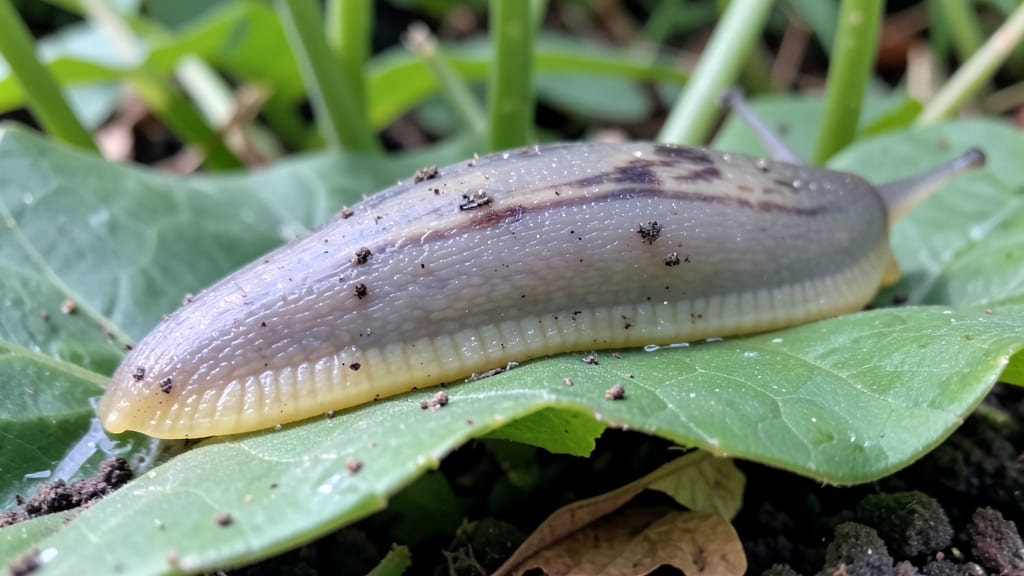
Giant garden slugs can turn your thriving garden into a slimy buffet overnight. 🌿 I’ve lost count of the times I’ve woken up to chewed leaves and wondered where these nighttime raiders came from—only to find their telltale slime trails glistening on the patio at dawn.
The damage isn’t just unsightly; slugs devour young seedlings, holey leaves, and even fruit before you notice. They thrive in damp, shady spots, so if your garden has mulch piles, dense foliage, or poor drainage, you’ve got a slug hotel. The good news? You don’t need chemicals to outsmart them.
With the right barriers, traps, and a few strategic plants, you can slash their numbers by 90% in a season. I’ve tested copper tape, beer traps, and even diatomaceous earth—here’s what actually works without harming your plants or the local ecosystem.
Whether you’re dealing with a single slug or an all-out invasion, these methods protect your garden without turning it into a war zone. Let’s reclaim your plants—one slippery intruder at a time.
Why Giant Slugs Invade Gardens
Those glistening, slimy invaders—often mistaken for oversized snails—are giant garden slugs, and their nighttime raids on your plants aren’t random. These nocturnal creatures are drawn to your yard by a mix of environmental cues, food availability, and even human activity.
Understanding the root causes can help you outsmart them before they turn your garden into an all-you-can-eat buffet. Let’s break down the science behind their sneaky behavior.
Giant slugs thrive in damp conditions because their bodies lack a protective shell (unlike snails), making them prone to dehydration. If your garden feels like a swamp after rain or watering, you’ve essentially rolled out the welcome mat.
- Why it happens: Slugs absorb moisture through their skin, and high humidity or soggy soil keeps them plump and active. Even light morning dew can trigger their feeding frenzy.
- Actionable fix:
- ✅ Improve drainage by amending soil with compost or sand to prevent waterlogging.
- ✅ Avoid overwatering—stick to early morning irrigation so soil dries by evening.
- ✅ Use mulch strategically: Organic mulch (like straw) retains moisture, while inorganic mulch (like gravel) reflects sunlight and dries soil faster.
Pro tip: 🌡️ Slugs become sluggish in temperatures below 50°F (10°C)—so if you’re dealing with a persistent infestation, a light frost can be a natural (if temporary) deterrent.
Giant slugs are not picky eaters, but they have a few garden staples they love. If your plants are on their menu, you’re in for trouble. Their top targets? Tender, water-rich foliage with minimal defense mechanisms.
| Plant Type | Why Slugs Love It | Slug-Proof Swaps |
|---|---|---|
| Hostas, lettuce, and basil | Soft, juicy leaves with minimal fiber | Try rosemary, thyme, or lavender—slugs avoid their strong scents |
| Calendula, impatiens, and dahlias | Thick, fleshy stems and petals | Opt for geraniums or snapdragons—their waxy leaves deter slugs |
| Decaying wood or compost piles | Rich in nutrients and moisture | Keep compost covered with wire mesh and remove fallen leaves promptly |
Pro tip: 🌱 Slugs avoid plants with hairy or prickly leaves (like stachys or lamb’s ear)—interplant these as natural barriers.
Giant slugs are nocturnal for a reason: daylight exposes them to predators (birds, beetles, and even curious pets) and dries out their bodies. If your garden stays dark after sunset, you’re giving them the perfect hideout.
- Why it happens:
- 🌙 Lack of natural predators at night means slugs can graze undisturbed.
- 🌿 Dense foliage or debris provides shelter during the day, letting them recharge for nighttime raids.
- Actionable fix:
- ✅ Install motion-activated lights (like solar-powered path lights) to startle slugs and attract predators.
- ✅ Reduce hiding spots by clearing leaf litter, boards, and dense mulch piles.
- ✅ Encourage daytime predators like ground beetles by planting dill, fennel, or marigolds.
Pro tip: 🕵️♂️ Slugs leave silvery trails—check for these at dawn to pinpoint their favorite hiding spots (like under pots or rocks).
Believe it or not, some of your gardening habits might be inviting giant slugs without you realizing it. From overzealous watering to poor cleanup, these mistakes create a slug paradise.
- Why it happens:
- 💦 Watering at night keeps soil damp longer, extending slug activity.
- 🍂 Leaving fallen fruit or veggies on the ground acts like a slug buffet.
- 🪴 Using slug-attracting fertilizers (like high-nitrogen ones) makes plants more tender and appealing.
- Actionable fix:
- ✅ Water in the morning so soil has time to dry.
- ✅ Pick up debris daily—even a single rotting tomato can lure dozens of slugs.
- ✅ Switch to balanced, slow-release fertilizers to toughen up plant defenses.
Pro tip: 🚫 Avoid mulching right up against plant stems—leave a 2-inch gap to reduce slug access to tender growth.
How to Fix Slug Havoc
If your garden has become a nighttime playground for giant garden slugs, don’t despair—there are plenty of effective ways to reclaim your plants and soil. The key is to tackle the problem with a mix of prevention, removal, and long-term deterrents.
Below, we’ve mapped out solutions based on the most common causes of slug invasions, so you can choose the best approach for your situation.
Slugs thrive in moist conditions, so if your garden stays soggy, they’ll stick around. Here’s how to dry things out and discourage them:
- 🔥 Reduce Watering Frequency Water deeply but less often—early morning is best to allow soil to dry by evening. Avoid overhead sprinkling, which keeps leaves damp (a slug buffet).
- 🏗️ Improve Drainage Amend heavy clay soil with compost or sand to help water drain faster. Raised beds or containers can also limit slug access.
- 🌡️ Mulch Strategically Use coarse mulch (like pine straw or wood chips) instead of fine organic mulch, which retains moisture. Leave gaps between mulch and plants to reduce hiding spots.
- 💡 Pro Tip: If you must water in the evening, use a soaker hose to target roots directly and avoid wetting foliage.
Slugs are opportunistic eaters—if your garden is a smorgasbord, they’ll overstay their welcome. Cut off their access:
- 🥗 Choose Slug-Resistant Plants Opt for drought-tolerant or hairy-leaved plants (like lavender, rosemary, or succulents). Slugs avoid textures that irritate their slimy bodies.
- 🍎 Pick Up Debris & Fallen Fruit Clear away rotting leaves, fallen flowers, and overripe produce. These create hiding spots and food for slugs.
- 🍴 Use Copper Barriers Slugs hate copper because it gives them a mild electric shock. Wrap copper tape around raised beds or plant pots to create a natural barrier.
- ✨ Bonus Hack: Sprinkle dried coffee grounds around plants—the caffeine acts as a natural repellent.
Let nature do the work! Encourage slug-eating allies to move into your garden:
- 🐸 Attract Frogs & Toads Create a small toad abode (a shallow dish with rocks) near your garden. Frogs devour slugs with gusto!
- 🐞 Invite Ground Beetles & Birds Leave some leaf litter or plant native perennials to attract beneficial insects. Birds like thrushes also snack on slugs—install a bird feeder nearby.
- 🐢 Try Ducks or Chickens (If Possible) If you have space, a few ducks or free-range chickens can eliminate slugs in hours. Just supervise to avoid over-grazing.
If slugs are already feasting, it’s time to intercept and relocate them:
- 🍺 Beer Traps (The Classic) Bury a shallow dish filled with beer at soil level. Slugs crawl in and drown—but don’t drink it afterward! (Trust us.)
- 🥫 Grease Traps Coat a board or tray with petroleum jelly and place it near slug hotspots. Slugs get stuck and can be disposed of in the trash.
- 🌙 Nighttime Patrols Grab a flashlight and handpick slugs after dark. Drop them in soapy water (humane disposal) or relocate them far from your garden.
- 🔪 Manual Removal for Heavy Infestations For large slugs, use gloves and a trowel to scoop them up. Check under boards, rocks, and dense foliage.
Stop slugs before they start with these low-effort, high-impact strategies:
- 🌑 Prune for Airflow Trim dense foliage to reduce humidity and make it harder for slugs to hide.
- 🌅 Use Salt (Sparingly) Sprinkle a thin layer of rock salt around the garden edge (but avoid overuse—it can harm soil).
- 🌿 Plant Slug-Repelling Herbs Surround vulnerable plants with garlic, thyme, or mint. The strong scents deter slugs naturally.
- 📅 Schedule Regular Checks Inspect your garden weekly, especially after rain. Early action prevents small problems from becoming big ones.
With the right mix of deterrents, removal, and habitat changes, you can turn your garden into a slug-free zone. Start with one or two methods, monitor progress, and adjust as needed. Happy gardening—without the slimy invaders! 🚫🐌
Frequently asked questions
How can I tell if I have giant garden slugs vs. regular snails?
Giant garden slugs lack hard shells (unlike snails) and leave shiny, silver slime trails. They’re also nocturnal, while snails are more active during cooler, damp days. Check for their size—giant slugs can reach 6 inches long, while most snails top out at 2-3 inches.
Are giant slugs harmful to my garden beyond eating plants?
Yes! Their slime trails can spread fungal diseases between plants, and they often carry parasites. Over time, their feeding weakens plants, making them vulnerable to pests. Plus, their droppings (called "slug pellets") can contaminate soil and produce.
What’s the fastest way to remove giant slugs from my garden?
For immediate results, try beer traps (bury a shallow dish filled with beer) or grease traps (petroleum jelly on boards). Handpicking at night with a flashlight works too—just drop them in soapy water. For heavy infestations, combine traps with copper tape barriers.
Can I use salt to kill giant slugs without harming my plants?
Salt works as a slug killer, but it’s risky near plants. Sprinkle a thin layer only around garden edges—never near roots—as it can damage soil and nearby vegetation. For targeted control, use salt in small piles near slug hotspots and water lightly to activate it.