Vegetables
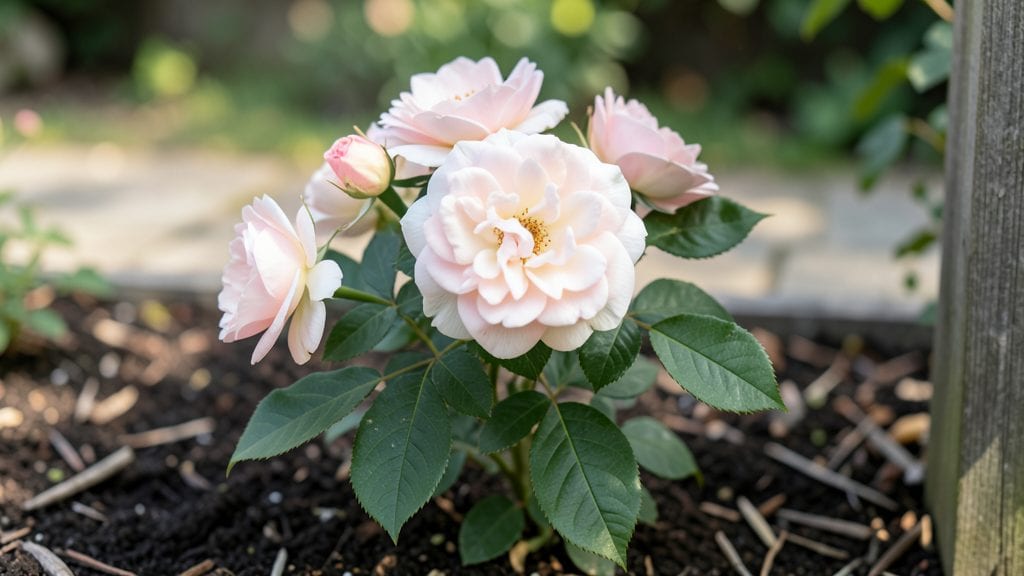
The Gardens World Show is a must-visit event showcasing breathtaking botanical displays, hands-on sustainable gardening workshops, and cutting-edge exhibits on rare plants, hydroponic systems, and organic farming. Attendees can wander through themed garden sections, connect with leading horticulturists, and discover actionable techniques to transform their own outdoor spaces.
The Gardens World Show stands out as the premier gathering for plant enthusiasts and eco-conscious gardeners, blending education with inspiration. 🌱 This year’s event goes beyond traditional plant shows by featuring live demonstrations of vertical farming setups and drought-resistant plant varieties—perfect for those dealing with climate challenges.
The interactive workshops, led by industry experts, cover everything from soil health to pest management without chemicals, giving visitors tangible skills to apply at home.
What makes this show unique is its focus on real-world solutions. Whether you're a seasoned gardener or a beginner, you'll leave with practical knowledge and connections to local suppliers. Themed garden sections—like the "Future of Food" exhibit—highlight innovative growing methods that could redefine how we think about home gardening.
Don’t miss the opportunity to network with exhibitors who often share exclusive discounts on tools and plants!
💡 In This Article
- Top Innovations in Sustainable Gardening at This Year’s Show
- How to Plan Your Visit for Maximum Gardening Inspiration
Top innovations in sustainable gardening at this year’s show
The show’s drought-resistant plant exhibits showcase varieties like Portulaca grandiflora and Sedum morganianum, which thrive with as little as 10% of typical water needs. These plants employ crassulacean acid metabolism (CAM), a water-conserving photosynthesis process that opens stomata at night to minimize evaporation.
Their succulent leaves store moisture, allowing them to survive prolonged dry spells—a critical adaptation as global water scarcity affects 40% of the world’s population according to UNESCO.
Vertical farming demonstrations reveal how LED grow lights emitting 400-700nm wavelengths (blue and red spectra) optimize plant growth in 90% less space than traditional farms.
The 12-inch tall hydroponic towers on display produce 25% more yield per square foot than soil-based methods, thanks to precise nutrient delivery systems that deliver electrolyte solutions every 15 minutes.
Visitors can touch the aeroponic misting systems, which suspend roots in air while delivering water and nutrients—reducing water usage by 60% compared to conventional irrigation.
Permaculture principles take center stage in the "Regenerative Landscapes" exhibit, where swales (shallow trenches) demonstrate how to capture 1,200 gallons of rainwater per 100 feet during storms.
The chop-and-drop mulching technique shown here breaks down plant matter into soil, adding 2-3% organic matter annually—critical for soil health, as most urban soils contain less than 1% organic matter.
Experts explain how these methods restore mycorrhizal fungi networks, which boost plant immunity and nutrient absorption by up to 80%.
What’s surprising is how these innovations address specific regional challenges. The "Climate-Resilient Gardens" zone features heat-tolerant okra varieties that maintain yield at 104°F—a temperature where most crops wilt.
Meanwhile, the "Urban Oasis" section proves that container gardening with self-watering systems can produce 50% more herbs than traditional pots, thanks to wicking fabric that maintains moisture without overwatering. These solutions aren’t just theoretical; they’re battle-tested in arid climates and high-density cities.
The show’s soil microbiome labs reveal another breakthrough: biochar-amended compost that sequesters 3.3 tons of CO₂ per acre annually while improving soil structure. When mixed with compost, biochar creates a porous matrix that holds 40% more water and 50% more nutrients than untreated soil.
Visitors can see this in action through microscope stations showing how beneficial bacteria colonize biochar surfaces, outcompeting pathogens. This isn’t just science—it’s a toolkit for gardeners to reduce their carbon footprint by 20-30%.
For those skeptical about sustainability, the show’s "Mythbusters" zone dismantles common misconceptions. For example, myth: "Organic gardening requires more land." The data shows organic farms actually use 12% less land due to higher soil fertility and biodiversity.
Or myth: "Vertical farming is only for leafy greens." Exhibits prove tomatoes and peppers thrive in 18-inch tall towers with proper light spectra and support structures. These insights make sustainable gardening feel accessible rather than aspirational.