
Flowers
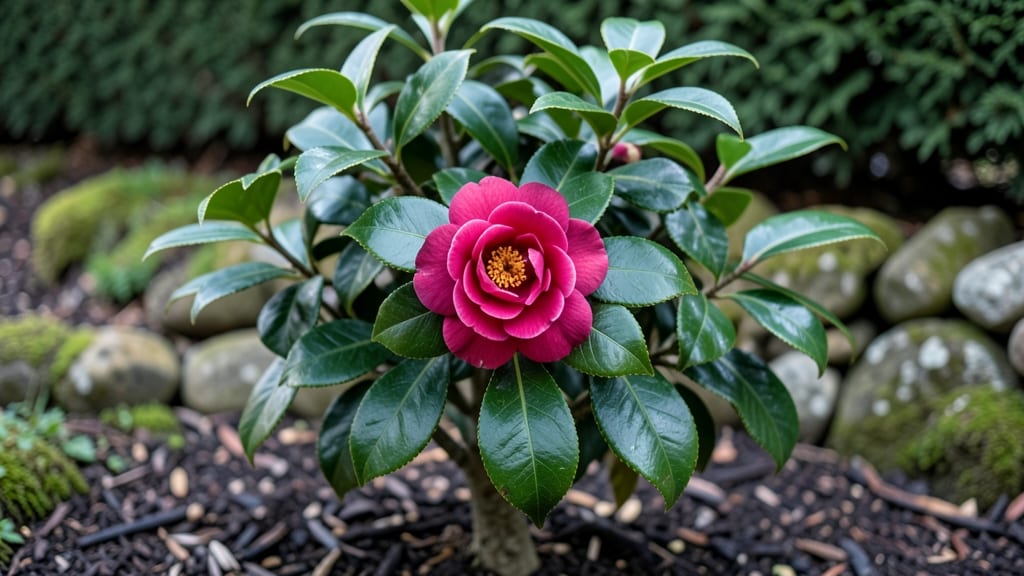
Gardens in Ball Ground, Georgia, offer stunning displays of native plants, historic landscapes, and meticulously designed botanical spaces like Ball Ground City Park Gardens and the Garden Club of Georgia’s showcase. These gardens feature hardy perennials, pollinator magnets, and seasonal blooms perfect for Georgia’s gardeners.
Ball Ground’s gardens thrive thanks to the region’s perfect mix of moist air and rich, well-draining soil—ideal for native species like black-eyed Susans and oakleaf hydrangeas. 🌿 These plants not only survive with minimal care but also support local bees and butterflies, making them a must-have for eco-conscious gardeners.
The city’s humid summers and mild winters create a haven for vibrant seasonal displays that change with each month.
Beyond the stunning landscapes, Ball Ground’s gardening community stays active through events like the Ball Ground Farmers Market, where plant swaps and workshops let visitors take home rare native species. 🌸 The Garden Club of Georgia also hosts guided tours of private gardens, offering behind-the-scenes looks at how experts design thriving pollinator-friendly spaces.
For those eager to start their own garden, nearby nurseries stock locally adapted plants perfect for the area’s climate.
💡 In This Article
- Native Plants Thriving in Ball Ground’s Climate
- Best Local Plant Tours and Garden Events
Native plants thriving in Ball Ground’s climate
Ball Ground's gardens flourish because the region's climate—characterized by humid subtropical conditions with 50-60 inches of annual rainfall—creates an ideal environment for native perennials.
The soil, a mix of clay loam with underlying sandstone bedrock, provides excellent drainage while retaining moisture, which is crucial for plants like black-eyed Susans (Rudbeckia hirta) that thrive in these conditions.
These plants have evolved deep root systems to access water during Georgia's hot, dry summers while tolerating the occasional flooding that can occur in spring.
The 80-85°F summer temperatures and 40-45°F winters allow native species to maintain vigorous growth cycles without requiring artificial protection. For example, eastern coneflowers (Echinacea purpurea) bloom prolifically in Ball Ground's gardens because their native range includes the southeastern U.S., where they've adapted to similar conditions.
The plants' drought-resistant foliage and deep taproots make them perfect for local gardens where water conservation is increasingly important. 🌿
What makes these native plants particularly valuable is their role in supporting local ecosystems. Oakleaf hydrangeas (Hydrangea quercifolia), for instance, provide nectar for bees during their late spring to summer blooming period and offer shelter for beneficial insects in their large, textured leaves.
The 3-4 inch wide flowers create landing platforms for pollinators while their fertile seed heads provide winter food for birds. This mutualistic relationship reduces the need for chemical interventions that often harm beneficial insects in non-native plantings.
The minimal maintenance requirements of these native species stem from their evolutionary adaptations. Unlike many non-native varieties that require regular fertilizing, staking, or pest control, plants like purple coneflower (Echinacea) develop natural resistance to local pests and diseases.
Their self-seeding capabilities mean gardeners can enjoy continuous blooms with minimal replanting effort, while their deer-resistant qualities make them ideal for rural properties where herbivores are common. This hardiness translates directly to lower water usage and reduced chemical inputs.
Seasonal adaptations play a crucial role in their dominance. Native perennials like butterfly weed (Asclepias tuberosa) time their blooming periods to coincide with local pollinator emergence cycles.
The plant's bright orange flowers appear in late spring to early summer, perfectly matching the activity peak of monarch butterflies and native bees.
This synchronization creates a self-sustaining ecosystem where plants and pollinators co-evolve, resulting in more robust growth and higher reproduction rates than non-native species that don't align with these natural cycles.
Ball Ground's gardens demonstrate how native plantings can create low-maintenance, high-impact landscapes that support biodiversity. The 3-5 foot height range of many native perennials provides vertical structure that attracts a wider variety of pollinators compared to short, dense non-native ground covers.
This vertical diversity creates microclimates within gardens that maintain humidity levels beneficial for both plants and beneficial insects during the hotter summer months when temperatures can exceed 90°F. 🌸